Speaking test #665
Part 1 · Interview
4 to 5 minutes. The examiner asks about you and familiar topics.
Can you tell me your full name?
Where are you from?
Do you work or are you a student?
Do you enjoy dancing? [Why/Why not?
?] Oh absolutely, I love dancing! It's such a fun and expressive way to move your body and let loose. Plus, it's a great way to get some exercise and stay active.
Has anyone ever taught you to dance? [Why/Why not?
?] Yes, I've actually taken some formal dance lessons before. I wanted to learn how to do some specific styles of dance and figured it would be best to have a professional teach me. Plus, it's always helpful to have someone critique and give guidance as you're learning. 3. Tell me about any traditional dancing in your country. In my country, we have a lot of different types of traditional dancing. One of the most popular is called the "Folk Dance," which is a group dance that is often accompanied by live music and traditional costumes. It's a really fun and energetic dance that is often performed at cultural festivals and celebrations.
Do you think that traditional dancing will be popular in the future? [Why/Why not?
?] I definitely think that traditional dancing will always have a place in our culture and will continue to be popular in the future. It's such a rich and important part of many cultures and helps to preserve traditions and heritage. Plus, it's just so enjoyable to watch and participate in!
What's the decoration like in your home?
Well, I would say that the decoration in my home is a mix of modern and traditional elements. We have a lot of contemporary furniture and artwork, but we also have some antique pieces and colorful rugs and textiles that bring in a bit of cultural flair. Overall, I think it's a cozy and welcoming space.
What kind of decoration do you prefer?
Personally, I really enjoy a blend of styles in decorating. I think it adds character and interest to a space. I love incorporating bold patterns and pops of color, but I also appreciate the simplicity and clean lines of minimalism. So I would say I have an eclectic taste in decor.
Do the people of your country (India) like redecorating their homes?
Yes, I think many people in India enjoy redecorating their homes. It's a way to express their personal style and update the look and feel of their living spaces. And with the wide variety of affordable home decor options available in the market, it's easy for people to switch things up and try out new looks.
What's your favorite color when decorating your home?
I really love using shades of blue in my home decor. It's such a calming and soothing color, and it pairs well with a wide range of other shades and textures. Whether it's a deep navy or a light sky blue, I think it always adds a touch of sophistication and elegance to a space.
You will have to talk about the topic for one to two minutes. You have one minute to think about what you are going to say. You can make some notes to help you if you wish.
When you could not pay for something you wanted
You should say:
- What you wanted to buy
- Why you couldn't pay for it
- How you felt about not being able to afford it
- What you did to deal with the situation
In a vibrant market like India, there are numerous temptations that often lure individuals into desiring things they cannot immediately afford. One such instance occurred when I set my eyes on a sleek new smartphone that boasted cutting-edge features and a stunning design.
The primary reason I couldn't pay for the smartphone at that moment was due to a sudden financial setback in my family. Unforeseen circumstances had led to a temporary strain on our budget, making luxury purchases like the smartphone seem frivolous and impractical.
Initially, I felt a pang of disappointment and frustration at not being able to afford something I had longed for. The allure of the smartphone and the prospect of enjoying its advanced functionalities made the situation even more disheartening. However, I quickly reminded myself of the importance of financial prudence and prioritizing essential needs over wants.
To cope with the situation, I decided to create a savings plan to gradually set aside money for the smartphone. I curtailed unnecessary expenses, explored freelance opportunities, and diligently saved a portion of my income each month. This proactive approach not only helped me inch closer to my goal but also instilled a sense of discipline and financial responsibility within me.
Overall, the experience of not being able to immediately afford the desired smartphone taught me valuable lessons in financial management and patience. It underscored the significance of prudent decision-making and the satisfaction derived from achieving a goal through persistence and perseverance.
- Words
- 244
- Sentences
- 12
- Words per sentence
- 20.3
- Speaking time
- about 1.9 min
Counted at 130 words a minute. The exam gives you one to two minutes.
Part 3 · Discussion
4 to 5 minutes. The examiner asks broader questions linked to the cue card topic.
How do different income groups experience wanting something they can't afford?
That's a fascinating question! The experiences of wanting something and being unable to afford it can vary dramatically across different socioeconomic groups. For individuals in lower-income brackets, the feeling of desire often comes with a sense of frustration and helplessness, as they might find themselves longing for basic necessities or opportunities that others take for granted. On the other hand, those from wealthier backgrounds might experience a sense of disappointment when they can't acquire luxury items or experiences, but often have the means to eventually obtain them, which can lead to a different emotional response. Moreover, the way these feelings manifest can also differ; for example, someone from a less affluent background might channel their desires into motivation for self-improvement, while someone with more financial resources might simply indulge in a temporary distraction or seek alternatives elsewhere. In essence, the psychological impact of wanting something unattainable is deeply intertwined with one's socioeconomic status, shaping not only their aspirations but also their coping mechanisms.
Many people see the importance of material things in different ways. What are some opinions on this topic?
That's a fascinating question! Perspectives on the significance of material possessions can really vary. On one hand, some people argue that material wealth is essential for a fulfilling life, as it provides comfort, security, and the ability to enjoy experiences. They believe that having certain items can enhance one's lifestyle and even contribute to a sense of identity. Conversely, others advocate for a more minimalist approach, suggesting that material possessions can often lead to stress and dissatisfaction. They argue that true happiness comes from relationships and experiences rather than the accumulation of goods. Ultimately, it seems that the value placed on material possessions is deeply influenced by individual values, upbringing, and life experiences, making it a rich topic for discussion!
How important is it for people to learn money management skills in today's shopping-focused world?
In today’s increasingly consumer-driven society, mastering financial management skills is absolutely essential. With the constant bombardment of marketing messages and the ease of online shopping, it’s all too easy to fall into the trap of overspending and accumulating debt. Learning how to budget effectively and save for the future not only helps individuals make informed decisions but also fosters a sense of financial independence. Moreover, those who are equipped with strong financial literacy can navigate challenges like unexpected expenses or economic downturns with greater confidence. Ultimately, these skills empower individuals to take control of their financial future and make choices that align with their long-term goals.
Why do you think some people get really frustrated when they can't buy what they want?
I believe the sense of frustration people experience when they can't purchase what they desire often stems from a combination of societal pressure and personal expectations. In today's world, where consumerism is so prevalent, individuals are bombarded with messages that equate happiness with material possessions. This can create a deep-seated belief that acquiring certain items will lead to fulfillment. Additionally, when people set their sights on a specific product—whether it’s the latest gadget or a luxury item—the anticipation can build up, making the disappointment even more pronounced when they can't obtain it. Ultimately, it’s a mix of emotional investment and external influences that fuel this frustration.
How could the trend of buying things change in the next few years, particularly regarding prices?
The trend of consumerism is likely to undergo significant changes in the coming years, particularly as affordability becomes a more pressing issue for many people. With rising living costs and economic uncertainty, consumers may shift their focus towards value for money rather than mere brand loyalty. We might see a surge in the popularity of second-hand goods and sustainable products, as people become more conscious of their spending habits and the environmental impact of their purchases. Additionally, technology will play a crucial role; with the rise of online shopping and comparison tools, consumers will be more empowered to make informed choices that align with their budget. Overall, I believe that this evolution will not only reshape shopping habits but also promote a more thoughtful approach to consumption.
"What steps can people take to manage their money better and avoid not being able to buy what they want?"?
To better manage their finances, individuals can start by creating a detailed budget plan that outlines their income and expenses. This not only helps in tracking where their money goes but also highlights areas where they can cut back. Additionally, it's crucial to establish an emergency fund to cover unexpected expenses, which can prevent the need to rely on credit in a pinch. Another effective strategy is to set specific financial goals, such as saving for a vacation or a major purchase, which keeps motivation high and spending in check. Lastly, educating oneself about personal finance through books or workshops can empower individuals to make informed decisions and invest wisely for the future.
Go further with the books
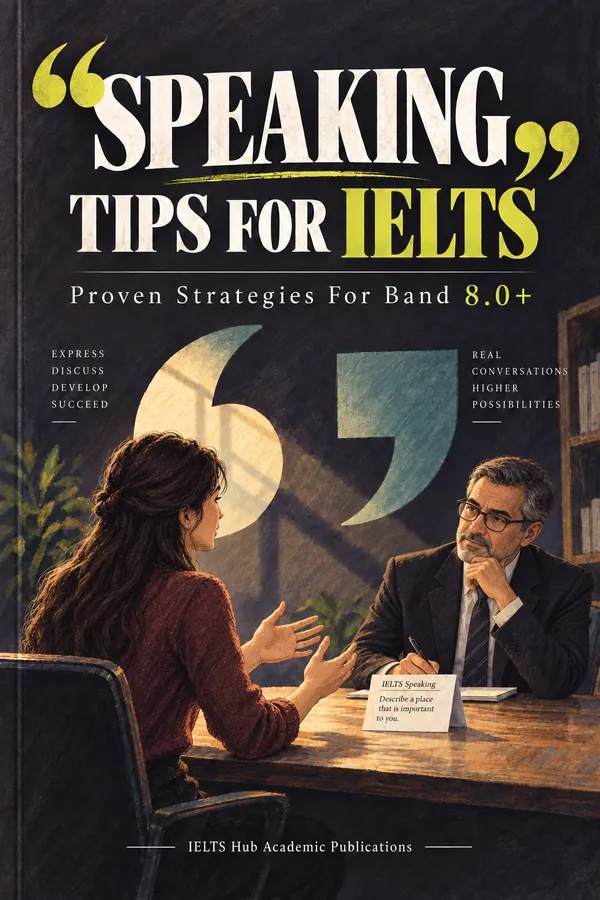
Speaking
Speaking Tips for IELTS
Proven Strategies for Band 8.0+
₹299$9.99CAD 13.99AUD 14.99£7.99NZD 16.99€8.99AED 39SGD 12.99
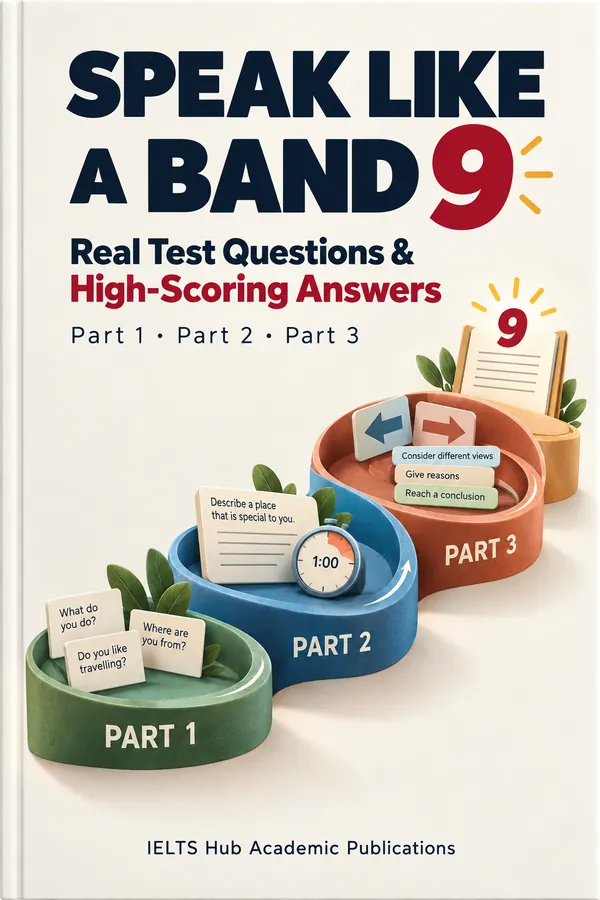
Speaking
Speak Like a Band 9
Real Test Questions & High-Scoring Answers
₹299$9.99CAD 13.99AUD 14.99£7.99NZD 16.99€8.99AED 39SGD 12.99
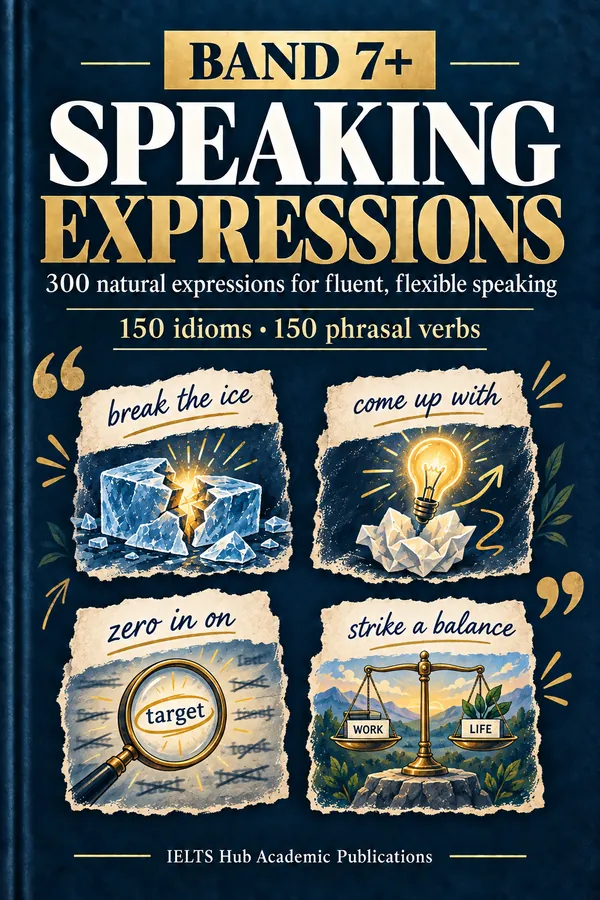
Speaking
Band 7+ Speaking Expressions
300 natural expressions for fluent, flexible speaking
₹199$6.99CAD 8.99AUD 9.99£4.99NZD 10.99€5.99AED 24SGD 8.99