Speaking test #671
Part 1 · Interview
4 to 5 minutes. The examiner asks about you and familiar topics.
Can you tell me your full name?
Where are you from?
Do you work or are you a student?
Do you prefer studying in the morning or in the afternoon?
I prefer studying in the morning. I find that my brain is freshest and most focused first thing in the day, and it helps me to get a lot done before the day gets too busy. Plus, starting my day with some productive studying helps me to feel accomplished and motivated to tackle the rest of my to-do list.
What do you usually do in the evening?
In the evening, I like to relax and unwind. Sometimes I'll read a book or watch a movie, other times I'll catch up with friends or family over the phone. If I'm feeling active, I might go for a run or do a workout. And of course, I always make sure to get a good night's sleep.
What did you do in the evening when you were little? Why?
When I was little, I used to spend my evenings playing with my siblings and friends. We would often have impromptu soccer games or bike rides around the neighborhood. We did this because we loved spending time outdoors and being active. It was a great way for us to burn off energy and have fun together.
Are there any differences between what you do in the evening now and what you did in the past?
The main difference between what I do in the evening now and what I did in the past is that I'm a lot more focused on self-care and relaxation. As an adult, I've learned the importance of taking time to unwind and de-stress after a long day. When I was a kid, I was more focused on having fun and being active, which is still important to me, but I now also make sure to take care of my mental and physical health in the evenings.
How often do you spend time with your family?
I spend a good amount of time with my family on a regular basis. We usually make it a point to have a family dinner together at least once a week, and we also make sure to schedule other activities, such as trips or outings, on a regular basis as well.
How do you spend time with your family?
We spend time with each other in a variety of ways. We'll often go out for a meal together, either at a restaurant or for a picnic in the park. We also enjoy doing activities together, such as going to the movies, taking a trip to the beach, or going on a hike. We also like to spend time at home together, playing games or watching movies.
Do you want to live with your family in the future?
I wouldn't mind living with my family in the future, as long as everyone is on the same page. It's always nice to have the support and companionship of loved ones, especially as you grow older. However, I also value my independence and may choose to live on my own as well.
How has your family influenced you?
My family has had a significant impact on shaping me into the person I am today. They have always been supportive of my goals and aspirations, and have encouraged me to chase my dreams. Additionally, they have instilled strong values in me, such as the importance of hard work, honesty, and kindness. I am forever grateful for their guidance and love.
You will have to talk about the topic for one to two minutes. You have one minute to think about what you are going to say. You can make some notes to help you if you wish.
How you spend time with your friends
You should say:
- Activities you enjoy doing together
- How often you meet up
- Special memories you share
- The importance of friendship in your life
Activities you enjoy doing together
Spending time with friends is an integral part of my life, and I cherish every moment we have together. One of the activities that we truly enjoy doing together is going out for meals at different restaurants in the city. Trying out new cuisines and sharing hearty laughs over delicious food always brings us closer. We also love watching movies together, especially on weekends when we can unwind and enjoy each other's company.
How often you meet up
We make it a point to meet up at least once a week, despite our busy schedules. Whether it's grabbing a quick coffee during a work break or planning a day out exploring new places, we always find time to connect. These regular meetups not only strengthen our bond but also provide us with much-needed support and happiness in our lives.
Special memories you share
One special memory that we often reminisce about is our trip to the mountains last summer. The breathtaking views, late-night bonfires, and shared stories created a deep sense of camaraderie among us. It was a time of pure joy and relaxation, and it brought us even closer together as friends.
The importance of friendship in your life
Friendship holds immense importance in my life as it provides me with a sense of belonging and support. My friends are like a second family to me, always there to celebrate my successes and lift me up during challenging times. They bring positivity, laughter, and love into my life, making each moment spent with them truly precious and invaluable.
- Words
- 243
- Sentences
- 13
- Words per sentence
- 18.7
- Speaking time
- about 1.9 min
Counted at 130 words a minute. The exam gives you one to two minutes.
Part 3 · Discussion
4 to 5 minutes. The examiner asks broader questions linked to the cue card topic.
How do the things people like to do with friends differ from what they prefer to do alone?
That's a fantastic question! When people are with friends, they often engage in social activities, like going out for dinner, attending concerts, or playing sports. These activities not only foster a sense of community and connection but also allow for shared experiences that can strengthen friendships. On the other hand, when people spend time alone, they might indulge in more introspective activities such as reading, meditating, or pursuing personal hobbies like painting or writing. This solitary time can be incredibly valuable for self-reflection and personal growth, allowing individuals to recharge and explore their own interests without external influences. Ultimately, both types of activities serve important roles in a balanced life, offering a mix of social interaction and personal development.
Some people think that hanging out with friends is better than doing things alone. What do you think about this idea?
I absolutely resonate with the idea that spending time with friends can be incredibly beneficial. While solitary activities certainly have their own merits, like fostering creativity and self-reflection, the social interactions we have with friends can greatly enhance our well-being. Engaging with others not only helps in building stronger relationships, but it also provides a sense of belonging and support that solitary activities often lack. Moreover, shared experiences with friends can lead to lasting memories and a richer life. In essence, while there's value in solitude, the joy and growth that come from friendships are truly irreplaceable.
How important do you believe social interactions are for mental and emotional health?
Social interactions are incredibly significant for mental and emotional well-being. Engaging with others provides a sense of belonging and support, which can be crucial during challenging times. When we share our thoughts and feelings with friends or family, it not only helps to alleviate stress but also fosters a sense of connection that can uplift our spirits. Moreover, positive social interactions can enhance our mood and even improve our overall health by encouraging healthier lifestyle choices. In essence, nurturing our relationships is paramount for maintaining a balanced and fulfilling life!
Why do you think people usually choose to spend time with friends instead of focusing on things like work or family?
I think people often prioritize time with friends because social connections are fundamental to our well-being and happiness. Friends provide us with a sense of belonging and emotional support that can be incredibly enriching, especially in today’s fast-paced world. While work and family obligations are undeniably important, spending time with friends allows individuals to unwind and recharge, creating a balance in their lives. Moreover, friends often share common interests and experiences, which can lead to a feeling of camaraderie that is hard to replicate in other relationships. Ultimately, these moments with friends can be seen as vital for maintaining a positive mental health and fostering a sense of joy.
How could the way people hang out with friends change in the future because of new technology and social media?
The way people spend time with friends is certainly poised for transformation as technology and social media continue to evolve. For instance, we might see a shift towards more virtual interactions, where friends can connect in immersive environments through virtual reality. This could allow people to share experiences, like attending concerts or traveling together, without physically being in the same location. Additionally, the rise of social media platforms could facilitate deeper connections by enabling friends to engage in shared activities online, such as gaming or watching movies simultaneously. However, while technology brings exciting possibilities, I believe it’s crucial for us to maintain that genuine human connection that often comes from face-to-face interactions.
How can people keep good friendships while living a busy life?
Maintaining strong friendships amidst a busy lifestyle can indeed be challenging, but there are several effective approaches individuals can adopt. First and foremost, prioritizing quality time over quantity is crucial; even a short catch-up over coffee can be immensely fulfilling if it’s intentional and engaging. Additionally, utilizing technology to stay connected can be a game changer—sending a quick text or a voice note can help bridge the gap when schedules are tight. Another strategy is to be proactive in planning regular get-togethers, whether it’s a monthly dinner or a weekend hike, as these shared experiences can strengthen bonds. Lastly, it’s important to communicate openly about one’s availability and to be understanding of each other’s commitments; this fosters a sense of mutual respect and keeps friendships thriving despite the hustle and bustle of daily life.
Go further with the books

Speaking
Speaking Tips for IELTS
Proven Strategies for Band 8.0+
₹299$9.99CAD 13.99AUD 14.99£7.99NZD 16.99€8.99AED 39SGD 12.99
Speaking
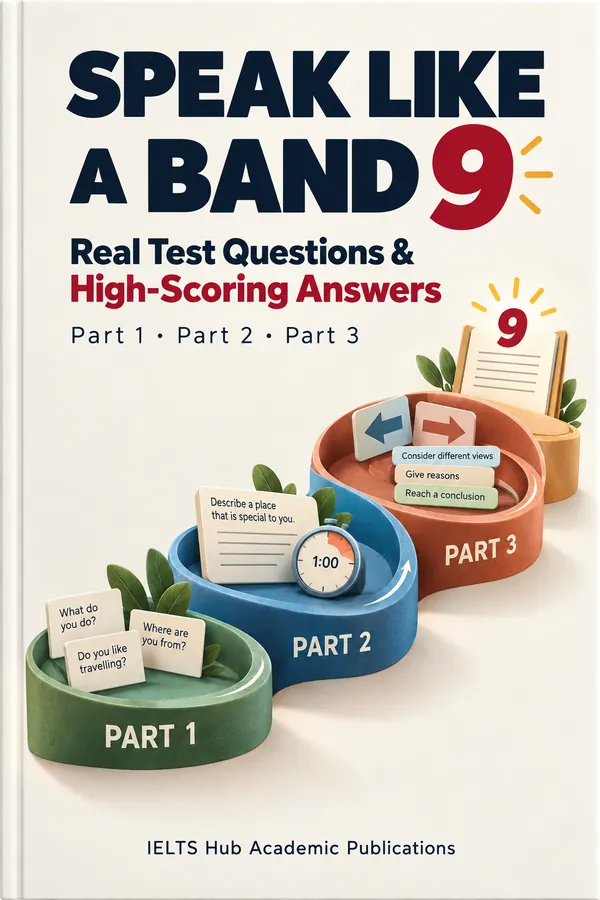
Speak Like a Band 9
Real Test Questions & High-Scoring Answers
₹299$9.99CAD 13.99AUD 14.99£7.99NZD 16.99€8.99AED 39SGD 12.99

Speaking
Band 7+ Speaking Expressions
300 natural expressions for fluent, flexible speaking
₹199$6.99CAD 8.99AUD 9.99£4.99NZD 10.99€5.99AED 24SGD 8.99