Speaking test #672
Part 1 · Interview
4 to 5 minutes. The examiner asks about you and familiar topics.
Can you tell me your full name?
Where are you from?
Do you work or are you a student?
Have you visited a farm?
Oh yes, I've had the pleasure of visiting a few farms in my lifetime. It's always such a fascinating experience to see where our food comes from and the hard work that goes into producing it.
What kind of farm do you like?
I have a bit of a soft spot for small, family-run farms. There's something about the care and dedication that goes into running a small farm that really resonates with me. It's also really nice to see the unique, sustainable practices that these types of farms often employ.
Do you think farming is important?
Absolutely. Farming is the backbone of our food system, and without it we wouldn't have the variety or abundance of food that we have today. Additionally, farming plays an important role in maintaining the balance of nature, and preserving the rural way of life.
Did you do farm work when you were young?
I didn't grow up on a farm, so I didn't have the opportunity to do farm work during my youth. However, I did have the chance to help out on a few farms during summers in college, and it was a great learning experience. It gave me a whole new appreciation for the hard work and dedication that goes into producing our food.
What place do you most like to visit? [Why?
?] I absolutely adore visiting the city of London. It's just so vibrant and full of life, with so much to see and do. Plus, the history and architecture are just breathtaking.
How often do you visit this place? [Why?
?] I try to visit London at least once a year, if not more. It's just such an amazing place that I never tire of. Plus, there's always something new to discover.
Is it popular with many other people? [Why?
?] Yes, London is definitely a popular tourist destination for people from all over the world. It's known for its historical and cultural significance, as well as its shopping and entertainment options.
Has it changed very much since you first went there? [In what way?
?] I have been visiting London for a while now, so yes, it's definitely changed over time. But, overall, it's still the same beautiful and exciting city that I fell in love with. Some new buildings have been built, and some areas have undergone major renovations, but the charm of the city remains intact.
You will have to talk about the topic for one to two minutes. You have one minute to think about what you are going to say. You can make some notes to help you if you wish.
A time when you had to take care of a baby
You should say:
- How you ended up taking care of the baby
- What responsibilities you had while taking care of the baby
- Challenges you faced during this time
- How you felt about the experience
How you ended up taking care of the baby
Taking care of a baby is a delightful yet challenging experience that I had the opportunity to encounter during a family gathering last summer. The situation arose when my cousin, who had to attend an urgent meeting, requested me to look after her adorable one-year-old baby for a few hours.
What responsibilities you had while taking care of the baby
My responsibilities mainly included feeding the baby, changing diapers, playing with him, and ensuring his safety and comfort. I had to constantly monitor his activities to prevent any mishaps and provide him with the necessary care and attention he required. Despite being inexperienced in childcare, I embraced the responsibilities with enthusiasm and dedication.
Challenges you faced during this time
During this time, I faced several challenges, such as soothing the baby when he cried, managing his tantrums, and keeping him entertained. It was a physically demanding task that required patience, quick thinking, and multitasking abilities. However, overcoming these challenges brought a sense of accomplishment and strengthened my bond with the baby.
How you felt about the experience
Overall, the experience of taking care of the baby was incredibly rewarding. Despite the initial apprehension, I found joy in watching the baby giggle, play, and eventually fall asleep in my arms. It deepened my appreciation for parenthood and instilled in me a newfound sense of responsibility and empathy towards young children. I cherish the memories of that day and look forward to more opportunities to care for children in the future.
- Words
- 227
- Sentences
- 12
- Words per sentence
- 18.9
- Speaking time
- about 1.7 min
Counted at 130 words a minute. The exam gives you one to two minutes.
Part 3 · Discussion
4 to 5 minutes. The examiner asks broader questions linked to the cue card topic.
How can the duties of taking care of a baby be different for parents compared to other caregivers?
The responsibilities of caring for a baby can vary significantly between parents and other caregivers, primarily because of the emotional bond and long-term commitment that parents typically have. Parents often feel a deep sense of responsibility and are usually involved in every aspect of the child's development, from feeding and bathing to providing emotional support. On the other hand, caregivers, such as babysitters or daycare staff, may focus more on the immediate needs of the baby, like ensuring their safety and maintaining a routine, but might not engage as deeply in the child's emotional development. Furthermore, parents usually have a more comprehensive understanding of their baby’s unique personality and needs, which allows them to tailor their approach accordingly. In contrast, other caregivers usually have to adapt quickly to each child's cues and may not have the same intimate knowledge of what comforts or stimulates the baby best. This difference in depth of care can lead to varied outcomes in the baby's overall well-being and development. Ultimately, while both parents and caregivers play crucial roles, the nature of their involvement is often shaped by the emotional investment parents have in their children.
Some people think that looking after a baby is very hard. What do you think about this idea?
I absolutely agree that taking care of a baby is one of the most challenging tasks a person can undertake. The level of responsibility is immense, as a newborn relies entirely on their caregivers for everything—from feeding to emotional support. Moreover, the lack of sleep and the constant need for attention can be incredibly exhausting. It's a journey filled with joy, but it also demands a lot of patience and commitment. I think it’s fascinating how this experience can bring people together, forging deep bonds, while also testing their limits. Ultimately, it’s a profound experience that can teach invaluable lessons about love and resilience.
How do you think looking after a baby helps a caregiver improve their skills?
Taking care of a baby is an incredibly rewarding experience that can significantly enhance a caregiver's skill set. Firstly, it fosters a deep sense of empathy, as caregivers learn to understand and respond to the needs and emotions of the infant. This heightened awareness can translate into better interpersonal skills in all areas of life. Moreover, the responsibility of caring for a baby hones time management abilities, as caregivers must juggle feeding, sleeping, and playtime. It also encourages problem-solving skills, since babies can be unpredictable, and caregivers often have to think on their feet to address various challenges. Overall, the experience can be transformative, equipping caregivers with a range of valuable skills that extend far beyond just childcare.
Why do you think some people are better at taking care of babies than others?
I believe that some individuals are inherently more suited to taking care of babies due to a combination of natural instincts and learned skills. For instance, those who possess a strong sense of empathy and patience often excel in caregiving roles. They tend to be more attuned to a baby’s needs, which is crucial during those early, vulnerable stages of life. Additionally, personal experiences, such as having younger siblings or working in childcare, can significantly enhance one’s ability to nurture. Ultimately, it’s a fascinating blend of personality traits and life experiences that shapes someone into an exceptional caregiver.
How do you see the role of taking care of babies changing in the future?
I believe the role of caregiving for infants will undergo significant transformation in the coming years, primarily driven by advancements in technology and a growing emphasis on mental health. For instance, we might see a rise in innovative parenting tools that use artificial intelligence to support caregivers in monitoring and understanding their infants' needs more effectively. Additionally, as society becomes more aware of the importance of emotional well-being, I envision caregivers being trained not just in physical care, but also in fostering emotional intelligence from a very young age. This holistic approach could lead to a generation of infants who are not only well cared for physically but also supported in their emotional development. Overall, the future of caregiving is likely to be a blend of traditional methods and modern techniques, ensuring a more comprehensive nurturing environment.
What steps can be taken to better help people who take care of babies?
To better support individuals who are responsible for taking care of infants, several measures could be put in place. Firstly, providing accessible childcare services can significantly alleviate the burden on parents or caregivers, allowing them some much-needed time to rest or attend to other responsibilities. Additionally, implementing parenting workshops could equip caregivers with essential skills and knowledge, enhancing their confidence in handling various situations. Financial support, such as subsidies for childcare, can also be a game-changer, making it easier for families to afford quality care. Lastly, fostering a strong community network where parents can share experiences and resources would create a more supportive atmosphere, promoting overall well-being for both caregivers and infants.
Go further with the books
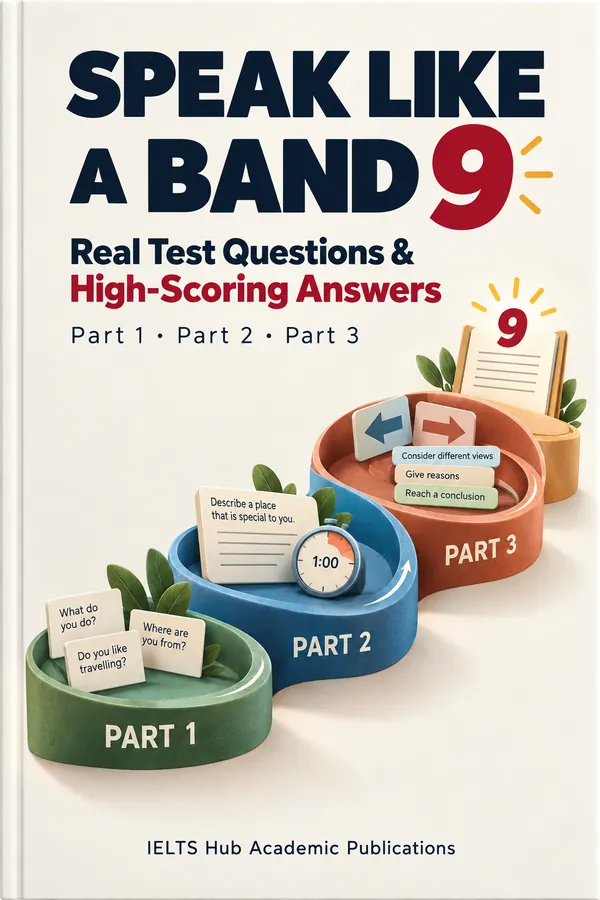
Speaking
Speak Like a Band 9
Real Test Questions & High-Scoring Answers
₹299$9.99CAD 13.99AUD 14.99£7.99NZD 16.99€8.99AED 39SGD 12.99
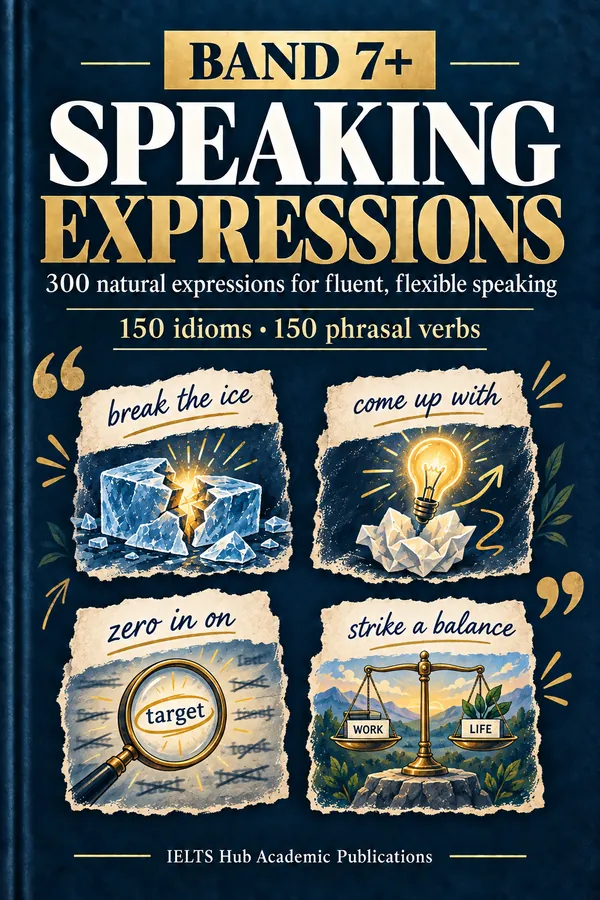
Speaking
Band 7+ Speaking Expressions
300 natural expressions for fluent, flexible speaking
₹199$6.99CAD 8.99AUD 9.99£4.99NZD 10.99€5.99AED 24SGD 8.99
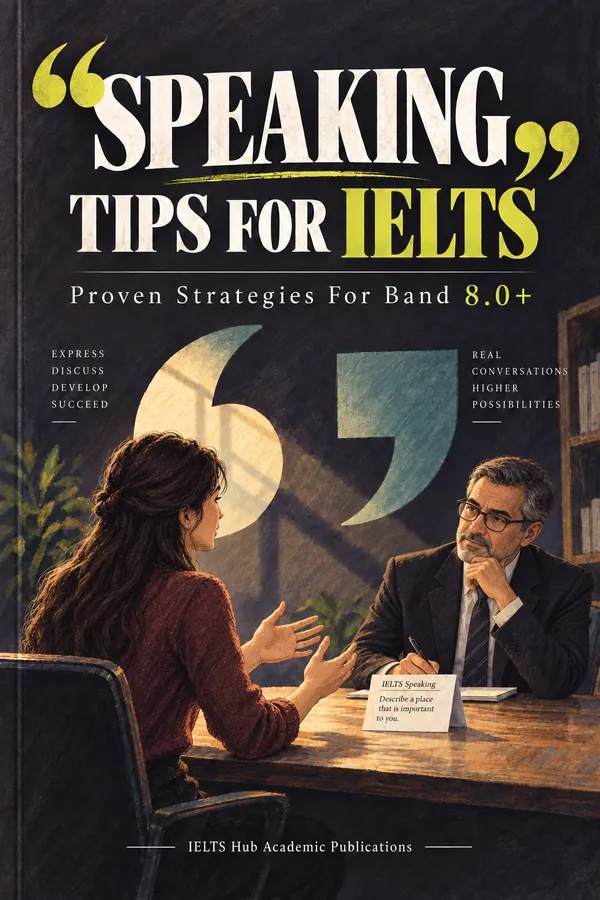
Speaking
Speaking Tips for IELTS
Proven Strategies for Band 8.0+
₹299$9.99CAD 13.99AUD 14.99£7.99NZD 16.99€8.99AED 39SGD 12.99