Speaking test #675
Part 1 · Interview
4 to 5 minutes. The examiner asks about you and familiar topics.
Can you tell me your full name?
Where are you from?
Do you work or are you a student?
Have you ever tried foreign food?
Oh absolutely, I love exploring different cuisines from around the world. Trying new foods is one of my favourite things to do when I travel.
Do you like to try new food?
Definitely, I have an adventurous palate and I always enjoy trying new dishes and experimenting with different flavours.
What kind of new food have you tried recently?
Well, recently I had the opportunity to try some traditional Ethiopian cuisine and it was an absolutely amazing experience. The combination of spices and unique ingredients was something truly special.
What kind of foreign foods is popular in your country?
In my country, we have a huge diversity of foreign foods that are popular. Chinese, Italian, Indian, and Thai are some of the most popular options. But, in recent years we have also seen a lot of interest in more unconventional cuisines like Peruvian and Nigerian food. It's really exciting to see people's palates expand and embrace new flavours.
Have you got lots of apps on your phone or tablet? [Why/Why not?
?] Yes, I have quite a few apps on my phone and tablet. I like to keep up with new technologies and try out new apps that can help me with my daily tasks or provide some entertainment. Plus, I find it convenient to have everything in one place instead of having to search for something on the internet all the time.
Do you have a favorite app? [Why/Why not?
?] Yes, I do have a favorite app. It's called "Evernote" and it's a great tool for organizing my notes and tasks. I use it on a daily basis and it really helps me keep track of everything I need to do. It's also really user-friendly and I can access it from any device, which makes it even more convenient.
How do you find out about different apps? [Why/Why not?
?] I usually find out about new apps through friends or online recommendations. I also like to browse the app store from time to time and see what's new or popular. Sometimes, I come across an app that looks interesting and I'll give it a try. It's a great way to discover new things and see if they can be useful for me.
Have you downloaded any new apps recently? [Why/Why not?
?] Yes, I have downloaded a few new apps recently. One of them is a language learning app called "Duolingo" which I'm using to brush up on my Spanish. I'm also trying out a meditation app called "Headspace" which has been recommended to me by a friend. I'm always open to trying out new things and seeing if they can help improve my life in some way.
You will have to talk about the topic for one to two minutes. You have one minute to think about what you are going to say. You can make some notes to help you if you wish.
Something you borrowed from your friend or family
You should say:
- What you borrowed
- Who you borrowed it from
- How you used it
- How you felt about borrowing it
What you borrowed
One of the most memorable items I borrowed from a friend was a book titled "The Kite Runner" by Khaled Hosseini. This friend of mine, Ravi, is an avid reader and he highly recommended this book to me. Being intrigued by his enthusiasm, I decided to borrow it from him.
Who you borrowed it from
Ravi, who is a close friend of mine from college, lent me the book after I expressed interest in reading it. He spoke so passionately about the storyline and characters that I couldn't resist borrowing it from him. His excitement about the book made me curious to explore the narrative myself.
How you used it
I delved into the captivating story of "The Kite Runner" and found myself engrossed in the emotional journey of the characters. The powerful storytelling and poignant themes touched me deeply, making it a truly enriching reading experience. As I progressed through the chapters, I felt grateful to Ravi for introducing me to such a compelling piece of literature.
How you felt about borrowing it
Borrowing "The Kite Runner" from Ravi not only allowed me to enjoy a remarkable book but also strengthened our bond as friends. It sparked meaningful discussions between us and provided a shared experience that enhanced our friendship. Overall, borrowing this book from Ravi was a delightful experience that I will always cherish.
- Words
- 211
- Sentences
- 12
- Words per sentence
- 17.6
- Speaking time
- about 1.6 min
Counted at 130 words a minute. The exam gives you one to two minutes.
Part 3 · Discussion
4 to 5 minutes. The examiner asks broader questions linked to the cue card topic.
How do the things we borrow from friends or family differ in value or importance?
That's a fascinating question! The items we borrow from friends or family often carry a different kind of sentimental value compared to those we might borrow from acquaintances. For instance, borrowing a family heirloom or a cherished book from a friend can evoke a sense of emotional attachment that goes beyond its monetary worth. This is because these items often come with stories, memories, and shared experiences that enhance their significance. Additionally, the trust and connection we have with the person we're borrowing from can also elevate the item's value, making it feel more meaningful. Ultimately, it’s this blend of sentiment and trust that transforms a simple borrowed item into something truly special.
Some people think that borrowing makes relationships stronger. How could someone see this idea in another way?
While it's true that borrowing can create a sense of camaraderie and trust between individuals, there are certainly alternative viewpoints to consider. For some, the act of borrowing might introduce feelings of unease or tension, especially if the borrower struggles to repay. Additionally, it can lead to a sense of obligation that might complicate the relationship—what starts as a friendly gesture could morph into a source of resentment over time. Furthermore, there are those who believe that relying on others can hinder personal growth and self-sufficiency, making it important to evaluate the long-term effects of such transactions. Ultimately, while borrowing can indeed strengthen bonds in some cases, it can just as easily place a strain on them, depending on the circumstances and individuals involved.
How important do you think it is to return borrowed things on time?
I believe it's absolutely vital to return borrowed items in a timely manner. When we borrow something, it often signifies a level of trust and consideration between friends or family, and returning it promptly shows respect for that relationship. It also helps maintain a sense of mutual responsibility. If items are kept for too long, it can lead to feelings of resentment or frustration, which is the last thing we want in our connections with others. Overall, being considerate about returning borrowed items not only fosters good relationships but also promotes a culture of accountability and respect.
Why do people usually feel unsure about borrowing things from others, even if they are good friends or family?
People often feel hesitant to borrow things from others, even if they are close friends or family, due to a mix of personal pride and the fear of damaging relationships. For many, there's a lingering sense of social obligation that comes into play; they worry that borrowing might impose on the other person's generosity or lead to feelings of indebtedness. Additionally, there's the anxiety over potentially returning the item in less than perfect condition, which could lead to awkwardness or even conflict. This hesitation can stem from a desire to maintain a sense of independence or a fear of being perceived as needy. Ultimately, these factors contribute to a reluctance to ask, even among those we trust the most.
How could borrowing change in the future as society changes?
That's a fascinating question! As society continues to evolve, I believe the act of borrowing could transform significantly, particularly with advancements in technology and changing social norms. For instance, we might see a rise in peer-to-peer lending platforms that allow individuals to borrow directly from each other, bypassing traditional banks altogether. This could foster a sense of community and trust, as people will likely prefer to support their neighbors rather than large institutions. Additionally, the increasing popularity of digital currencies and decentralized finance could revolutionize how we think about borrowing. With instantaneous transactions and reduced fees, borrowing could become more accessible to a broader range of people. Overall, it’s exciting to imagine how these shifts might enhance the borrowing experience and make it more equitable in the future!
What steps can people take to make sure borrowed items are taken care of before giving them back?
To ensure that borrowed items are well cared for before returning them, individuals can take several thoughtful measures. Firstly, it's essential to treat the borrowed item as if it were their own, which means being cautious and using it responsibly. This can include keeping it clean and avoiding any potential damage. Additionally, maintaining clear communication with the lender about how the item is being used can foster trust and show respect for their belongings. Finally, returning the item in its original condition, or even better, could demonstrate a strong sense of accountability and respect, which may encourage future borrowing opportunities. Overall, these actions reflect a genuine appreciation for the items that belong to others.
Go further with the books
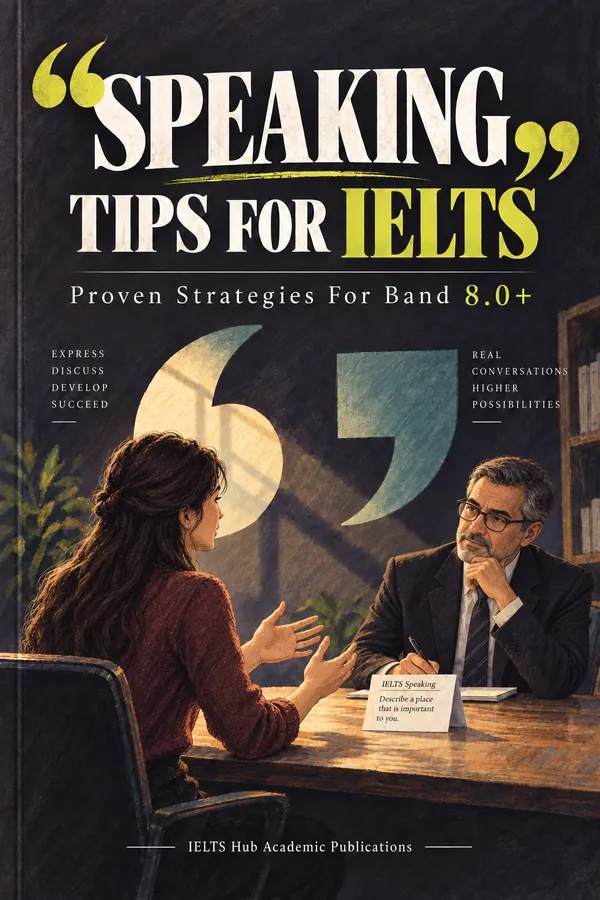
Speaking
Speaking Tips for IELTS
Proven Strategies for Band 8.0+
₹299$9.99CAD 13.99AUD 14.99£7.99NZD 16.99€8.99AED 39SGD 12.99
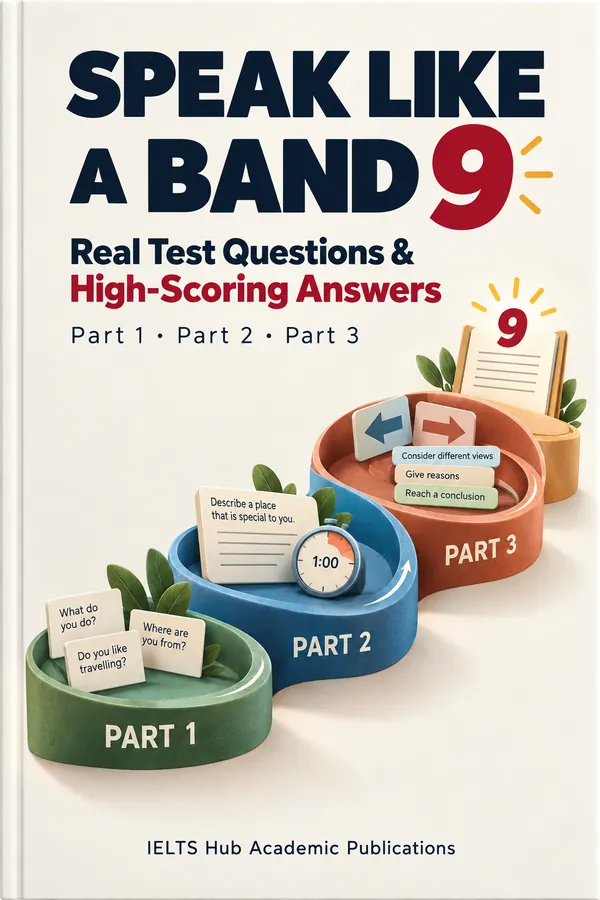
Speaking
Speak Like a Band 9
Real Test Questions & High-Scoring Answers
₹299$9.99CAD 13.99AUD 14.99£7.99NZD 16.99€8.99AED 39SGD 12.99
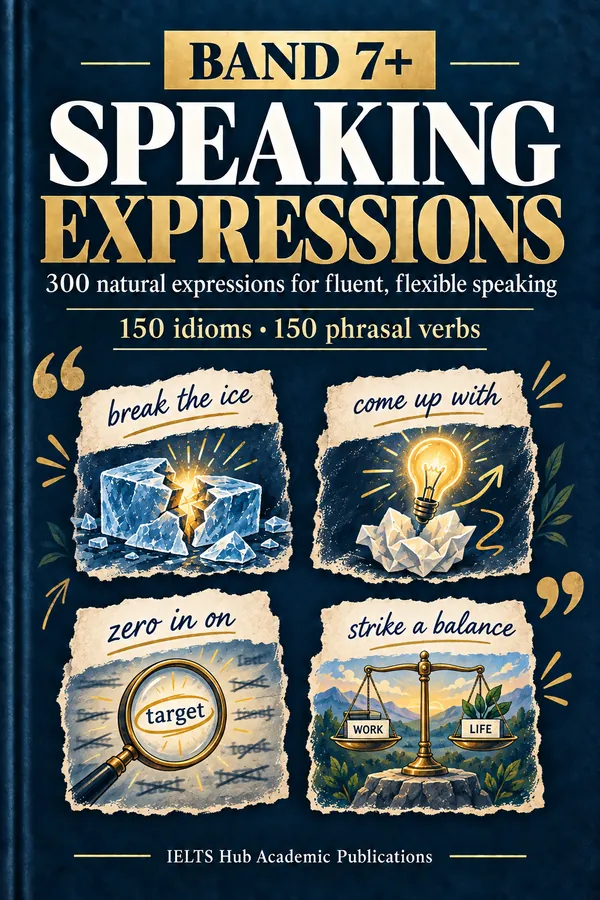
Speaking
Band 7+ Speaking Expressions
300 natural expressions for fluent, flexible speaking
₹199$6.99CAD 8.99AUD 9.99£4.99NZD 10.99€5.99AED 24SGD 8.99