Speaking test #685
Part 1 · Interview
4 to 5 minutes. The examiner asks about you and familiar topics.
Can you tell me your full name?
Where are you from?
Do you work or are you a student?
Do you enjoy reading about history? [Why?
?] I absolutely love reading about history. I find it fascinating to learn about past events and how they have shaped the world we live in today. The stories and personalities from different eras always capture my attention and I find myself getting lost in the details and the context of the events.
When was the last time you read a book or watched a film about history? [Why?
?] The last time I read a book about history was about a month ago. I read "The Rise and Fall of the Third Reich" by William L. Shirer. It was a gripping account of the rise of Nazi Germany and the events leading up to the Second World War. I was particularly interested in learning more about the political and social climate of the time and how it led to such a catastrophic event in history.
What historical event do you find most interesting? [Why/ Why not?
?] One of the historical events that I find most interesting is the American Revolution. I find it fascinating to learn about the events leading up to the war, the political and social climate of the time, and how it led to the formation of the United States of America. I also find the personalities of the key players in the war, such as George Washington and Thomas Jefferson, to be incredibly intriguing.
Do you think studying history is important? [Why/ Why not?
?] I believe that studying history is incredibly important. It provides us with a better understanding of the world we live in today and how it came to be. It helps us to understand the causes and consequences of past events, as well as the motivations and actions of the people who lived through them. It also helps us to learn from the mistakes of the past and to make better decisions in the present and future. Without an understanding of history, it would be difficult to fully understand the world we live in today.
Do you have any hobbies?
Yes, I have a few hobbies. I love to read, write, and play sports. I also enjoy traveling and trying new foods.
Is it important to have a hobby?
Yes, I believe it is important to have a hobby. Hobbies allow us to relax, escape from our daily routines, and pursue something that we are passionate about. They can also be a source of inspiration and creativity.
Is it harmful to spend too much time on a hobby?
I don't think it is harmful to spend a lot of time on a hobby as long as it is not negatively impacting other areas of our lives. However, it is important to maintain a balance and not neglect our responsibilities or relationships.
What free-time activities would you like to try in the future?
In the future, I would like to try learning a new language, playing a musical instrument, and volunteering in my community. I also have a dream of one day traveling to Japan to experience their culture and try sushi-making classes.
You will have to talk about the topic for one to two minutes. You have one minute to think about what you are going to say. You can make some notes to help you if you wish.
Something you were disappointed about
You should say:
- What the situation was
- Why you felt disappointed
- How it affected you
- What you did to cope with the disappointment
I vividly remember a time when I experienced profound disappointment during my final year of college. The situation that led to my disappointment was when I did not secure an internship opportunity at a prestigious company I had been eagerly hoping to intern at. This company was renowned for its innovative work culture and cutting-edge projects, and I had invested a significant amount of time and effort into preparing for the application process.
The reason behind my disappointment was primarily due to the high expectations I had set for myself. I had envisioned the internship as a stepping stone towards my career goals and believed that it would provide me with invaluable experience and networking opportunities. Not being selected made me question my abilities and left me feeling inadequate and demotivated.
The disappointment affected me both emotionally and mentally. I felt a sense of disillusionment and self-doubt, which impacted my confidence levels. It also made me reevaluate my goals and aspirations, leading me to reflect on whether I was on the right path towards achieving my career ambitions.
To cope with the disappointment, I decided to channel my energy into other productive activities. I sought guidance from career counselors, expanded my job search to include different industries, and focused on enhancing my skills through online courses and workshops. This proactive approach not only helped me gain a fresh perspective but also enabled me to grow professionally and personally.
In conclusion, while the experience of facing disappointment was challenging, it served as a valuable lesson in resilience and adaptability. It taught me the importance of remaining resilient in the face of setbacks and the significance of exploring alternative paths to achieve my goals. Ultimately, this setback fueled my determination to persevere and continue striving towards success in my chosen field.
- Words
- 299
- Sentences
- 15
- Words per sentence
- 19.9
- Speaking time
- about 2.3 min
Counted at 130 words a minute. The exam gives you one to two minutes.
Part 3 · Discussion
4 to 5 minutes. The examiner asks broader questions linked to the cue card topic.
How can feelings of disappointment vary among people based on their own experiences?
That's a fascinating question! Disappointment can really vary from person to person, largely influenced by their unique life experiences and expectations. For instance, someone who has faced numerous challenges might develop a tougher resilience, allowing them to bounce back more quickly from setbacks. On the other hand, an individual who has had a relatively sheltered life may feel a much deeper sense of loss when faced with disappointment, as their expectations might be higher. Additionally, cultural background plays a significant role; in some cultures, disappointment may be viewed as a personal failure, while in others, it could be seen as a common part of life. Ultimately, it’s this complex interplay of factors that shapes how we process and respond to disappointment.
How can we say that feeling disappointed is a normal part of life?
Disappointment is indeed a natural part of life, and it can arise in countless situations, from personal relationships to professional endeavors. It's almost inevitable that we will encounter setbacks or unmet expectations, which can lead to feelings of frustration or sadness. However, I believe that experiencing disappointment also allows us to develop resilience and a deeper understanding of ourselves. When we face these challenging moments, we often learn valuable lessons that can ultimately contribute to our personal growth. In a way, it’s through these challenges that we can appreciate our successes even more, making them feel all the more rewarding and fulfilling.
How does feeling disappointed help us grow and improve as people?
Disappointment can be a powerful catalyst for personal growth and development. When we face setbacks, it often forces us to re-evaluate our goals and aspirations, prompting us to develop resilience and adapt our strategies. For instance, a failed exam or a missed opportunity can serve as a wake-up call, pushing us to work harder or think more critically about our choices. In this way, disappointment not only teaches us important life lessons but also encourages us to foster a growth mindset, where we view challenges as stepping stones rather than obstacles. Ultimately, embracing disappointment can lead to a deeper understanding of ourselves and our capabilities, paving the way for future success.
Why do you think people usually feel let down when things don't go as they hoped?
People often feel disappointed when their expectations aren't met because our minds tend to build up certain mental images of how things should be. When reality doesn't align with these expectations, it can lead to a sense of loss or unfulfillment. Additionally, we often invest our emotions and hopes into these expectations, so when they're dashed, it feels like a personal setback. It's almost like we set ourselves up for disappointment, and that can be hard to deal with. Ultimately, managing our expectations can be a crucial step in maintaining emotional well-being, but that's easier said than done!
How could future feelings of disappointment affect how someone views life?
Future experiences of disappointment can profoundly shape a person's outlook on life in several ways. For some, it might lead to a sense of resilience, as they learn to bounce back from setbacks and develop a more optimistic perspective. They might come to view challenges as opportunities for growth, fostering a mindset that embraces adaptability and perseverance. Conversely, for others, repeated disappointments can cultivate a more cynical view of life, making them wary of taking risks or pursuing their dreams. Ultimately, the impact of disappointment hinges on how individuals choose to interpret and respond to their experiences, which can either enrich their lives or leave them feeling jaded.
How can people handle their feelings of disappointment better?
Managing feelings of disappointment can be quite challenging, but there are several effective approaches individuals can adopt. First and foremost, it’s crucial to embrace a growth mindset; viewing setbacks as opportunities for learning can significantly reshape our emotional responses. Additionally, practicing mindfulness techniques, such as meditation or deep breathing, can help ground us in the present moment, allowing us to process our feelings without becoming overwhelmed. It’s also beneficial to talk about our disappointments with friends or family, as this can foster a sense of connection and provide different perspectives. Lastly, setting realistic expectations can prevent feelings of disappointment from arising in the first place, helping us navigate life’s ups and downs more smoothly.
Go further with the books
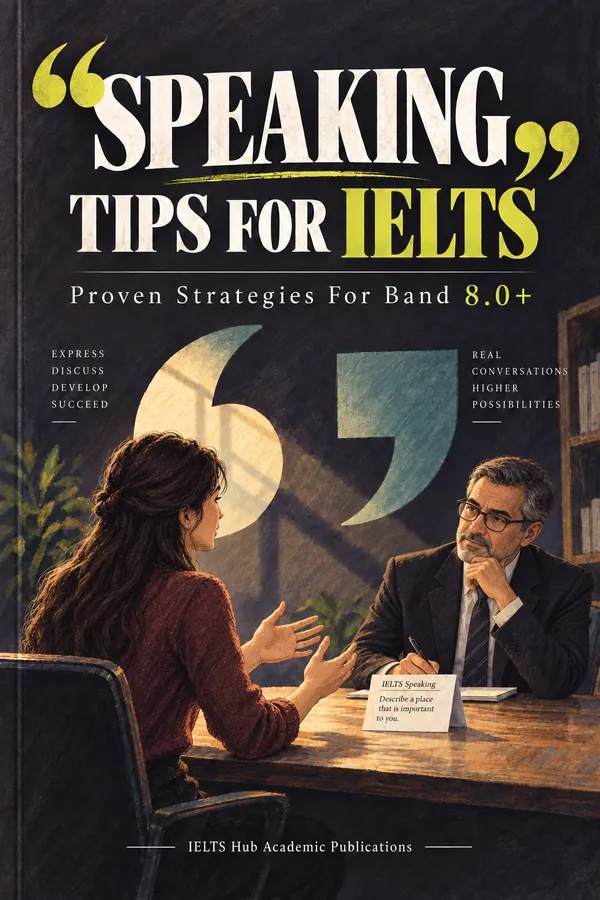
Speaking
Speaking Tips for IELTS
Proven Strategies for Band 8.0+
₹299$9.99CAD 13.99AUD 14.99£7.99NZD 16.99€8.99AED 39SGD 12.99
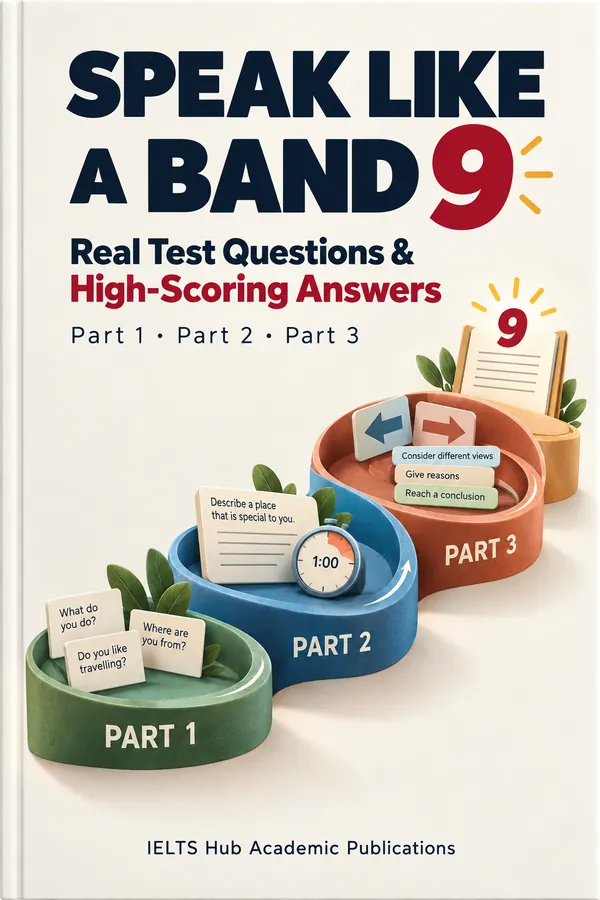
Speaking
Speak Like a Band 9
Real Test Questions & High-Scoring Answers
₹299$9.99CAD 13.99AUD 14.99£7.99NZD 16.99€8.99AED 39SGD 12.99
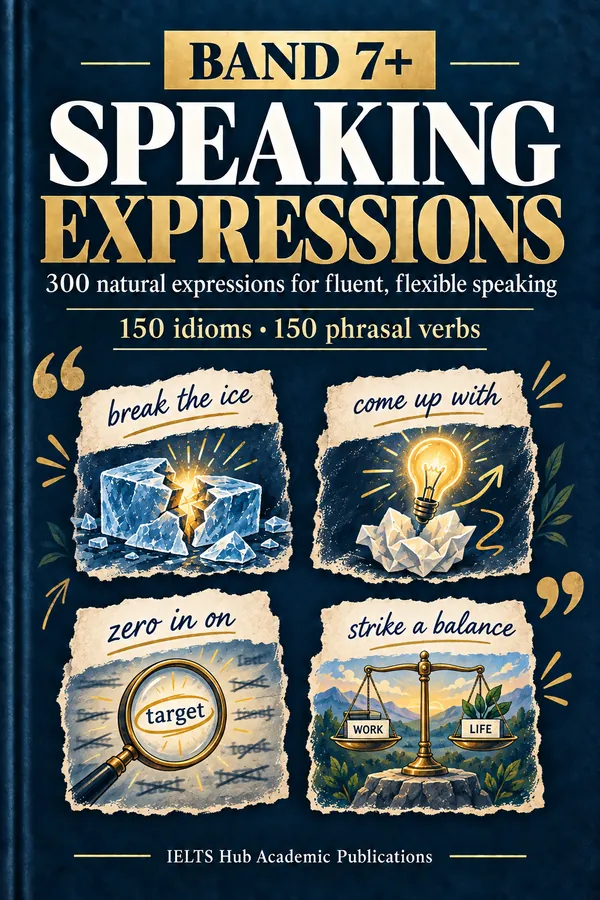
Speaking
Band 7+ Speaking Expressions
300 natural expressions for fluent, flexible speaking
₹199$6.99CAD 8.99AUD 9.99£4.99NZD 10.99€5.99AED 24SGD 8.99