Speaking test #686
Part 1 · Interview
4 to 5 minutes. The examiner asks about you and familiar topics.
Can you tell me your full name?
Where are you from?
Do you work or are you a student?
Where did you go for your last holiday?
I went to Bali for my last holiday. It was absolutely breathtaking, with beautiful beaches and lush green rice paddies. The culture there was also incredibly rich and fascinating, with traditional dances and ceremonies taking place all over the island.
Do you like holidays? Why?
I absolutely love holidays. They provide a much-needed break from the daily grind and give me the opportunity to explore new places, try new foods, and experience different cultures. **Plus, who doesn't love a good vacation**?
Which public holiday do you like best?
My favorite public holiday is Christmas. I love the festive atmosphere and the spirit of giving that comes with it. Plus, it's a great excuse to spend time with family and friends and indulge in some delicious food.
What do you do on holidays?
On holidays, I like to explore the local area and immerse myself in the culture. I'll often go on guided tours or take part in local activities, such as hiking, cooking classes, or even traditional dances. I also like to relax and unwind, so I'll often spend time at the beach or by the pool.
Do you often use a bag?
Oh absolutely, I use a bag pretty much every day. It's such a convenient way to carry all my essentials around, whether it's for work, running errands, or even just a quick trip to the store.
What types of bag do you like?
I have a bit of a thing for backpacks, to be honest. I love the versatility and comfort of a good backpack, and they're just so practical for everyday use. That being said, I also really appreciate a nice tote bag or shoulder bag for more formal occasions.
Do you have different bags for different occasions?
Definitely. I have a few different backpacks that I use for different purposes - one for work, one for the gym, and one for travel. And then I have a couple of different tote bags and shoulder bags that I use for more formal occasions, like meetings or events.
What kind of bags would you like to own in the future?
I'm always on the lookout for new and interesting bags to add to my collection. Currently, I'm really into the idea of a nice messenger bag - something stylish but still practical for everyday use. I'm also considering investing in a high-quality leather briefcase for more professional settings. Ultimately, I just love bags that are functional and stylish, and that can adapt to a variety of different situations.
You will have to talk about the topic for one to two minutes. You have one minute to think about what you are going to say. You can make some notes to help you if you wish.
Describe your favourite flower
You should say:
- What is your favourite flower?
- How does it look?
- Where is it usually found?
- Why do you like it?
What is your favourite flower?
My favorite flower is the lotus, which holds a special place in Indian culture and my heart. The lotus is known for its exquisite beauty and symbolism. Its elegant petals are usually white or pink, with a delicate fragrance that is captivating. The flower also has a unique structure with its petals arranged in layers, creating a mesmerizing visual effect.
How does it look?
Lotus flowers are commonly found in ponds, lakes, and other water bodies across India. They thrive in muddy waters, yet emerge pure and untouched, symbolizing purity, resilience, and spiritual growth. The sight of a blooming lotus amidst the tranquil waters is truly a sight to behold, evoking a sense of peace and tranquility.
Where is it usually found?
I am drawn to the lotus not only for its physical beauty but also for its rich symbolism and cultural significance. In Indian traditions, the lotus represents purity, enlightenment, and rebirth. Its ability to rise above the murky waters and bloom with grace and dignity serves as a powerful metaphor for overcoming challenges and embracing personal growth.
Why do you like it?
Overall, the lotus embodies qualities that I aspire to cultivate in my own life - resilience, purity, and spiritual growth. Its timeless beauty and profound symbolism make it not just a favorite flower, but a source of inspiration and reflection for me. Whenever I see a lotus blooming in all its glory, I am reminded of the beauty that can emerge from adversity, making it a truly special flower in my eyes.
- Words
- 242
- Sentences
- 13
- Words per sentence
- 18.6
- Speaking time
- about 1.9 min
Counted at 130 words a minute. The exam gives you one to two minutes.
Part 3 · Discussion
4 to 5 minutes. The examiner asks broader questions linked to the cue card topic.
How do various cultures see the importance of flowers in their customs?
Different cultures often attach profound meanings to flowers, reflecting their unique values and beliefs. For instance, in many Western societies, red roses are synonymous with love and romance, making them a popular choice for Valentine’s Day. Conversely, in Eastern cultures, such as in Japan, the cherry blossom holds a special place, symbolizing the fleeting nature of life and beauty. This highlights how flowers can serve as powerful symbols that resonate deeply within a culture's traditions and rituals. Ultimately, the significance of flowers varies widely, but they universally represent emotions and connections that transcend language.
How much do people agree or disagree on how flowers look?
People's views on the aesthetics of flowers can vary significantly, influenced by cultural, personal, and even emotional factors. For instance, while some may find a particular flower, like the charming rose, utterly beautiful due to its classic associations with love, others might prefer the exotic appeal of an orchid. Additionally, the context in which a flower is presented can drastically alter perceptions; a vibrant bouquet can evoke joy, while a solitary bloom might resonate with feelings of nostalgia. Ultimately, the diversity in floral preferences reflects our unique experiences and backgrounds, making the appreciation of flowers a wonderfully subjective lens through which we can explore our individuality.
How do flowers affect our feelings and connections with others?
Flowers hold a significant place in human emotions and relationships, acting as a universal symbol of love, compassion, and celebration. When we give or receive flowers, it often conveys feelings that words might struggle to express, like affection or sympathy. For instance, a bouquet of roses can instantly elevate someone's mood or serve as a heartfelt gesture during difficult times, highlighting the emotional depth of our connections. Additionally, flowers can enhance the atmosphere of any occasion, making moments like weddings or anniversaries even more memorable. Overall, the mere presence of flowers can bring about a sense of joy and warmth, reinforcing the bonds we share with others.
Why do you think some flowers are liked more than others by people?
I believe certain flowers gain popularity due to a combination of aesthetic appeal, cultural significance, and emotional connections. For instance, roses are often associated with love and romance, making them a go-to choice for special occasions like anniversaries and Valentine's Day. Additionally, flowers like sunflowers and tulips are celebrated for their vibrant colors and unique shapes, which can instantly brighten up any space. Moreover, some flowers have deep-rooted meanings in various cultures, which adds to their allure. Ultimately, it’s fascinating how these elements intertwine to create a preference for specific blooms over others!
How could people’s view of flowers change in the future as cities grow?
That's a fascinating question! As urbanization continues to reshape our cities, the perception of flowers may evolve significantly. For many people, flowers are often seen as symbols of beauty and nature, but in increasingly urban environments, they could become even more cherished as a means of reconnecting with the natural world. Urban gardens and green spaces might be viewed as essential havens for biodiversity, fostering a greater appreciation for flowers not just aesthetically, but also for their role in supporting local ecosystems. Additionally, as wellness trends gain momentum, flowers could be recognized for their therapeutic benefits, prompting urban dwellers to cultivate them as a way to enhance their mental health and overall well-being. Overall, I believe flowers will transition from mere decorative items to vital components of urban life, fostering both beauty and sustainability.
What steps can be taken to encourage people in local communities to value native flowers?
To promote the appreciation of native flowers in local communities, a multi-faceted approach could be incredibly effective. First and foremost, organizing community workshops that educate residents about the ecological importance and beauty of these flowers can foster a deeper connection. Additionally, creating public gardens or designated spaces where native plants are cultivated would not only beautify the area but also serve as a living classroom for people of all ages. Another impactful measure could be to involve local schools in conservation projects, encouraging students to learn about and care for these plants. Finally, leveraging social media campaigns to highlight the uniqueness and benefits of native flowers could engage a broader audience and spark interest. Overall, fostering a sense of community pride in local flora can lead to a more vibrant and environmentally-conscious neighborhood.
Go further with the books
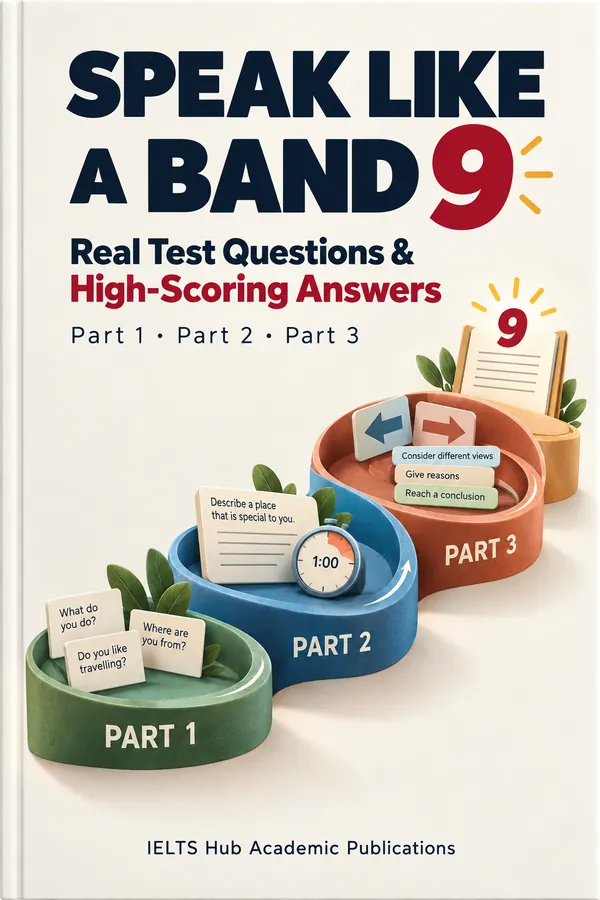
Speaking
Speak Like a Band 9
Real Test Questions & High-Scoring Answers
₹299$9.99CAD 13.99AUD 14.99£7.99NZD 16.99€8.99AED 39SGD 12.99
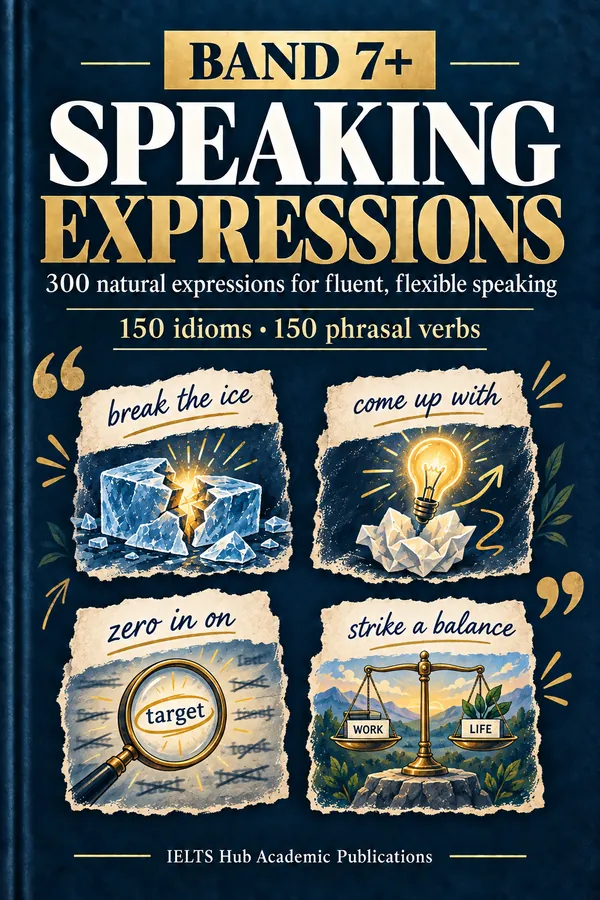
Speaking
Band 7+ Speaking Expressions
300 natural expressions for fluent, flexible speaking
₹199$6.99CAD 8.99AUD 9.99£4.99NZD 10.99€5.99AED 24SGD 8.99
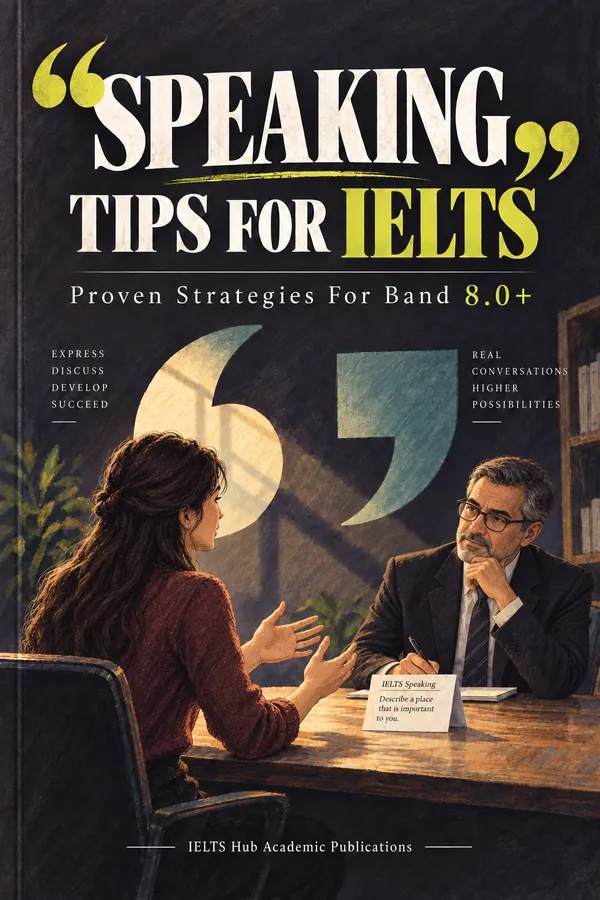
Speaking
Speaking Tips for IELTS
Proven Strategies for Band 8.0+
₹299$9.99CAD 13.99AUD 14.99£7.99NZD 16.99€8.99AED 39SGD 12.99