Speaking test #688
Part 1 · Interview
4 to 5 minutes. The examiner asks about you and familiar topics.
Can you tell me your full name?
Where are you from?
Do you work or are you a student?
Do you think your home is clean and tidy?
Absolutely, I take great pride in keeping my home clean and tidy. I believe that a clean and organized environment not only looks better, but it also helps with mental clarity and overall well-being.
What housework do you like or dislike doing?
I enjoy doing laundry and ironing as I find it therapeutic, and I dislike doing the dishes as it can be quite tedious.
Did you do some house cleaning when you were young?
Yes, I did. My parents instilled a sense of responsibility in me from a young age, and I was expected to help with household chores. I learned the importance of keeping things clean and organized from a very young age.
Do you help your family cook at home?
Yes, I do. Cooking is a family affair in my household, and we all take turns preparing meals. I enjoy cooking, and it's a great way for me to bond with my family. We all have different specialties, so it's always an exciting experience when we cook together.
What's your favorite indoor activity?
My favorite indoor activity is definitely reading. I love getting lost in a good book and immersing myself in different worlds and characters. It's a great way to relax and unwind after a long day.
Do you prefer to play indoor games or outdoor games?
I really enjoy both indoor and outdoor games. Outdoor games are great for getting some fresh air and exercise, but indoor games can be just as fun and engaging. It really depends on my mood and the weather.
What indoor games did you play when you were a child?
When I was a child, I loved playing board games and card games with my family. We would often spend hours playing Monopoly, Scrabble, and Rummy. It was a great way to bond and spend time together.
What sorts of indoor games do children in your country play now?
Nowadays, children in my country seem to be more interested in playing video games and computer games. They also enjoy playing sports games and puzzle games. However, traditional indoor games like board games and card games are still popular among families and friends.
You will have to talk about the topic for one to two minutes. You have one minute to think about what you are going to say. You can make some notes to help you if you wish.
Describe an art and craft activity you did at school
You should say:
- What was the art and craft activity
- How did you do it
- Why did you choose that activity
- What was the outcome of the activity
What was the art and craft activity
During my time in school, I vividly remember participating in an art and craft activity that involved creating a traditional Indian Rangoli design. Rangoli is a form of artwork where intricate patterns are made on the floor using colored powders, petals, or other materials. I chose this activity as I have always been fascinated by the vibrant and symmetrical designs of Rangoli, which are an integral part of Indian culture and festivals.
How did you do it
To create the Rangoli design, I first sketched a detailed pattern on a piece of paper, outlining the shapes and colors I wanted to use. Then, I carefully transferred the design onto the floor using colored powders such as rice flour and various natural pigments. It required precision and patience to ensure that each element of the design was accurately depicted to achieve the desired visual impact.
Why did you choose that activity
The reason I chose this particular art and craft activity was not only to showcase my creative skills but also to pay homage to my cultural heritage. As I worked on the Rangoli design, I felt a sense of connection to my roots and enjoyed the meditative process of creating something beautiful from simple materials. Moreover, it was a way for me to share a part of my culture with my classmates and teachers.
What was the outcome of the activity
The outcome of the Rangoli activity was truly rewarding. The vibrant colors and intricate patterns of the design captivated everyone who saw it, garnering praise from both my peers and teachers. It not only showcased my artistic abilities but also sparked conversations about the significance of Rangoli in Indian traditions. Overall, this art and craft activity left a lasting impression on me, reinforcing my appreciation for the rich cultural heritage of India and the beauty of traditional art forms.
- Words
- 292
- Sentences
- 13
- Words per sentence
- 22.5
- Speaking time
- about 2.2 min
Counted at 130 words a minute. The exam gives you one to two minutes.
Part 3 · Discussion
4 to 5 minutes. The examiner asks broader questions linked to the cue card topic.
What are the differences between art activities in schools now and in the past?
Artistic activities in schools today are markedly different from those in the past, largely due to advancements in technology and a broader understanding of creativity. In the past, art classes often focused on traditional mediums like painting and drawing, whereas now, students have the opportunity to explore digital art forms and multimedia projects. This shift not only enhances their skills but also encourages a more innovative approach to artistic expression. Furthermore, there is a greater emphasis on collaboration and interdisciplinary projects, allowing students to combine art with subjects like science and technology. Overall, these changes reflect a more inclusive and holistic educational framework that values creativity in various forms.
How important is it for students to participate in art and craft activities during their education?
Engaging in art and craft activities during education is absolutely crucial for students, and I’d argue it’s more than just a fun break from traditional subjects. These activities not only foster creativity but also enhance critical thinking skills, allowing students to express themselves in unique ways. Moreover, art and craft can serve as a great catalyst for social interaction, helping students to collaborate and build teamwork skills, which are invaluable in today’s world. Overall, I believe incorporating these activities into the curriculum can lead to more well-rounded individuals who are better prepared for the complexities of life beyond school.
How do art and craft activities help a child's creativity grow?
Art and craft activities are absolutely vital in nurturing a child's creativity. Engaging in these activities allows children to explore their imagination and express their thoughts and feelings in unique ways. Not only do they develop fine motor skills through tasks like cutting and painting, but they also enhance their problem-solving abilities by experimenting with different materials and techniques. Moreover, the freedom to create fosters a sense of confidence and self-worth, which is essential for overall development. Ultimately, the rich experience gained from art and craft can lead to a lifelong appreciation for creativity and innovation, shaping well-rounded individuals.
Why do you think some students like art and craft activities more than others?
I believe the inclination towards art and craft activities can be attributed to a variety of factors, including innate talent and personal interests. Some students may have a natural affinity for creativity, which can inspire them to engage more deeply in artistic pursuits. Additionally, exposure plays a crucial role; children who grow up in environments that encourage creative expression are likely to develop a stronger passion for these activities. Moreover, the educational approach taken by schools can also influence this; institutions that prioritize hands-on learning often see a higher level of engagement in art and craft among their students. Ultimately, it’s a fascinating blend of personal inclination and external influences that shapes a student's relationship with artistic activities.
How could focusing on technology in education affect students' involvement in traditional art and craft activities later on?
The increasing emphasis on technology in education could have a profound impact on students' participation in traditional art and craft activities. On one hand, the integration of technology can enhance creativity, allowing students to explore digital mediums and tools that weren't available before. This can lead to a more diverse and rich tapestry of artistic expression. However, there’s a risk that students may become overly reliant on digital platforms, potentially sidelining hands-on practices that foster fine motor skills and a deeper appreciation for craftsmanship. Ideally, a balanced approach that incorporates both technology and traditional methods could create a more holistic learning environment, ensuring that students can enjoy the best of both worlds.
How can schools make students more interested in art and craft activities?
Educational institutions can take several impactful measures to enhance students' interest in art and craft activities. Firstly, integrating art into the core curriculum can make it more accessible and appealing to a wider range of students, allowing them to see the relevance of creativity in various subjects. Additionally, hosting regular workshops with professional artists could provide students with first-hand experience and inspire them to explore their own artistic abilities. Moreover, creating a vibrant and inviting space dedicated to art can encourage students to experiment and express themselves freely. Schools could also organize exhibitions to showcase student work, fostering a sense of pride and community around their artistic achievements. Overall, by making art a fundamental part of the educational experience, institutions can cultivate a genuine passion for creativity among students.
Go further with the books
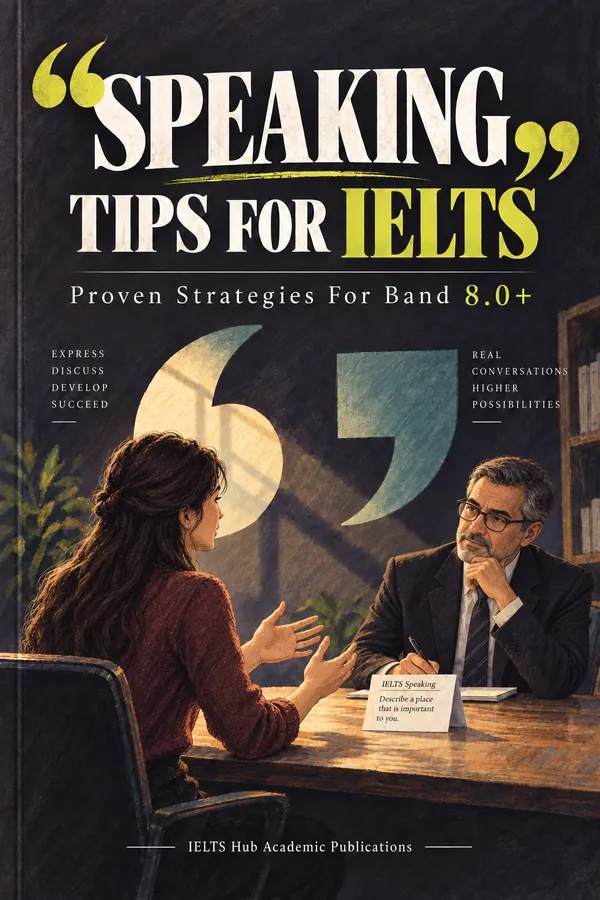
Speaking
Speaking Tips for IELTS
Proven Strategies for Band 8.0+
₹299$9.99CAD 13.99AUD 14.99£7.99NZD 16.99€8.99AED 39SGD 12.99
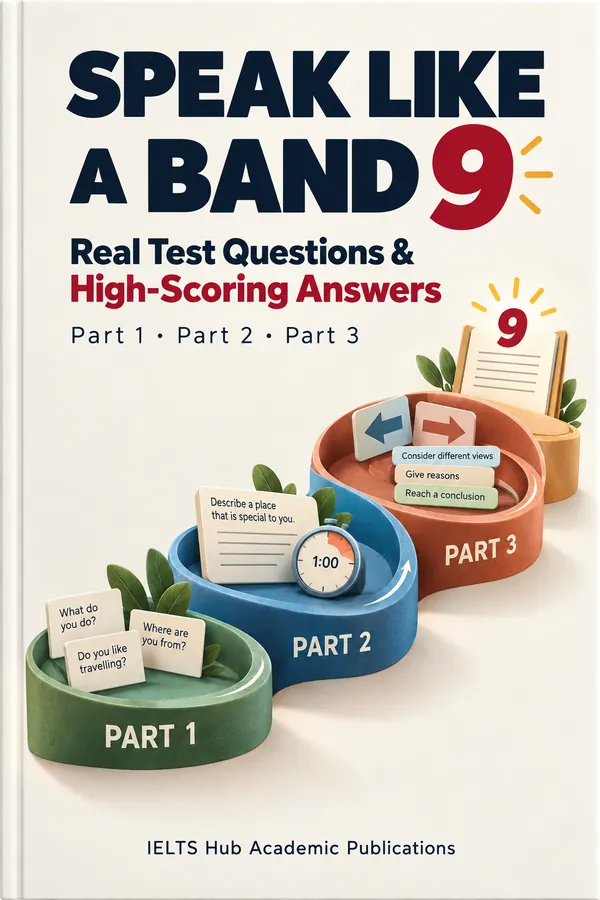
Speaking
Speak Like a Band 9
Real Test Questions & High-Scoring Answers
₹299$9.99CAD 13.99AUD 14.99£7.99NZD 16.99€8.99AED 39SGD 12.99
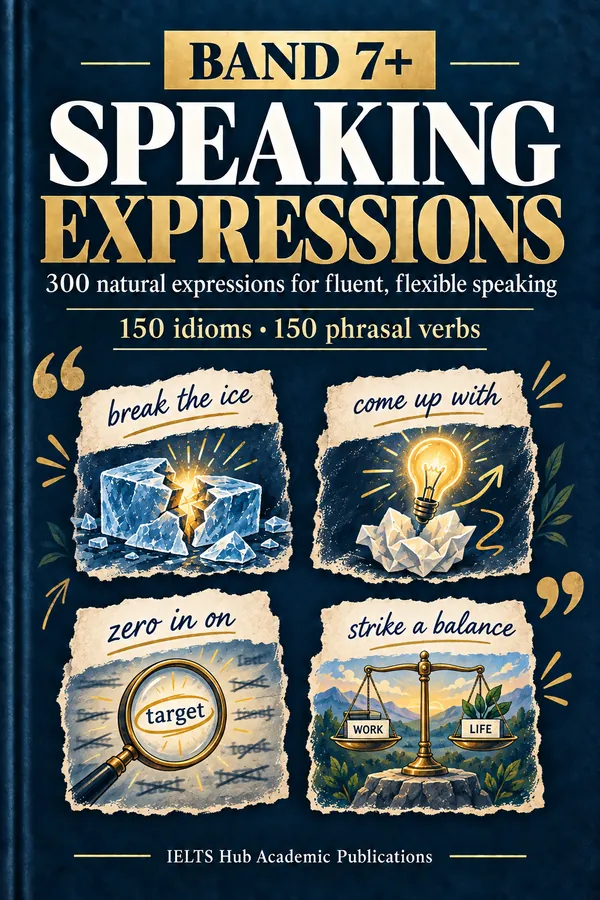
Speaking
Band 7+ Speaking Expressions
300 natural expressions for fluent, flexible speaking
₹199$6.99CAD 8.99AUD 9.99£4.99NZD 10.99€5.99AED 24SGD 8.99