Speaking test #694
Part 1 · Interview
4 to 5 minutes. The examiner asks about you and familiar topics.
Can you tell me your full name?
Where are you from?
Do you work or are you a student?
Do you enjoy your current stage of life?
I would say that I am quite content with my current stage of life. I am in my mid-20s and am currently finishing my university studies, which is a very exciting time for me. I am also starting to establish a career and am building a solid foundation for my future. Overall, I am pleased with where I am at and am optimistic about what the future holds.
In what stage of your life were you the happiest?
That's a difficult question to answer, as I have had many happy moments throughout my life. However, if I had to choose, I would say that my childhood was probably the stage of my life when I was the happiest. I had a very loving and supportive family, and I had the freedom to explore and discover the world around me without many responsibilities. It was a carefree and joyful time in my life.
Which stage of your life do you think is the most important?
I believe that every stage of life is important in its own way. However, I would say that the adolescent years are particularly crucial. This is a time when young people are trying to figure out who they are and what they want to do with their lives. It's a time when they are forming their identity and values, and it's a time when they are learning how to navigate the world and make important decisions. I think that the choices and experiences that one has during this stage can shape the course of their entire life.
What’s your plan for your next stage of life?
Well, as I am currently finishing my university studies, my immediate plan is to find a job in my field of study. I am looking forward to starting my career and putting my knowledge and skills to work. In the long term, I would like to continue to grow and develop in my career and hopefully one day start my own business. Additionally, I hope to find a partner, start a family, and create a happy and fulfilling life for myself.
Do you make a list when you shop?
Yes, I always make a list when I go shopping. I find it helps me to stay organized and ensures that I don't forget any important items that I need to buy.
Do you make a list for your work or study?
Yes, I do make a list for my work and study. I find that it helps me to stay focused and to prioritize tasks that need to be done. It also allows me to track my progress and stay on top of deadlines.
Why don’t some people like making lists?
I think some people may find making lists to be tedious or time-consuming. They may also feel that they have a good memory and don't need to rely on lists to keep track of things. Additionally, some people may find that they prefer to work in a more spontaneous and unstructured way, and the idea of having a list may feel restrictive to them.
Do you prefer to make a list on paper or your phone?
I prefer to make a list on my phone. I find it more convenient as I always have my phone with me and it is easy to access and update my lists wherever I am. However, I also like to have a physical copy of my list as a backup, just in case my phone runs out of battery or I don't have an internet connection.
You will have to talk about the topic for one to two minutes. You have one minute to think about what you are going to say. You can make some notes to help you if you wish.
Interesting discussion you had about how you spend your money
You should say:
- Who you had the discussion with
- What were the main points of the discussion
- How did the discussion impact your views on spending money
- Whether you made any changes in your spending habits after the discussion
Who you had the discussion with
I recently had an engaging discussion about how I spend my money with my close friend, Riya. She and I have known each other for several years and often have thought-provoking conversations. During this particular discussion, we delved into various aspects of our spending habits and financial priorities.
What were the main points of the discussion
The main points of our discussion revolved around the importance of budgeting, distinguishing between needs and wants, and setting financial goals. Riya emphasized the significance of creating a budget plan to track expenses and ensure responsible spending. We also discussed the concept of delayed gratification and how it can lead to more meaningful and satisfying purchases in the long run.
How did the discussion impact your views on spending money
This discussion had a profound impact on my views regarding spending money. It made me realize the value of being mindful and intentional with my financial decisions. I started paying more attention to distinguishing between essential expenses and unnecessary splurges, aiming to prioritize long-term financial stability over short-term gratification. The discussion served as a wake-up call, prompting me to reevaluate my spending patterns.
Whether you made any changes in your spending habits after the discussion
Reflecting on the insights gained from the discussion, I made a conscious effort to make changes in my spending habits. I began tracking my expenses diligently, setting specific financial goals, and cutting down on impulsive purchases. This shift in mindset not only helped me save more effectively but also enabled me to make more informed choices when it comes to managing my finances. Ultimately, the discussion with Riya proved to be a catalyst for positive changes in my spending habits, leading to greater financial discipline and empowerment.
- Words
- 258
- Sentences
- 14
- Words per sentence
- 18.4
- Speaking time
- about 2.0 min
Counted at 130 words a minute. The exam gives you one to two minutes.
Part 3 · Discussion
4 to 5 minutes. The examiner asks broader questions linked to the cue card topic.
How do different cultures spend their money in unique ways?
That's a fascinating question! The way people spend their money can vary dramatically across cultures, often reflecting their values and priorities. For instance, in some cultures, there's a strong emphasis on family-oriented spending, where a significant portion of income is dedicated to supporting extended family members or celebrating communal events. Conversely, in more individualistic societies, you might find that people prioritize personal development and leisure activities, investing in things like education, travel, or entertainment. Moreover, cultural perceptions of luxury and necessity can shape spending habits too. In certain cultures, lavish spending on celebrations and traditions is seen as a way to foster social bonds, while in others, there's a tendency towards frugality and saving for the future. Overall, these differences highlight how spending not only fulfills personal needs but also serves as a reflection of cultural identity and values.
Why do people have different opinions about what financial priorities should be?
People can have vastly different views on financial priorities for a variety of reasons. For starters, cultural backgrounds play a significant role—some cultures emphasize saving for the future, while others might value spending on experiences or immediate gratification. Additionally, personal experiences, such as upbringing or financial hardships, shape how individuals perceive money and its importance. Another factor is life stage; for instance, young adults might prioritize travel and adventure, whereas someone with a family might focus on education and housing. Ultimately, these differing perspectives highlight the complexity of financial decision-making and how it’s influenced by a myriad of factors in our lives.
Why is handling personal money important in today's world?
Managing personal finances is absolutely crucial in today’s society for several compelling reasons. Firstly, with the rising cost of living, individuals need to be adept at budgeting to ensure they can cover their basic needs while also saving for future goals. This skill not only fosters a sense of financial security but also empowers people to make informed decisions about spending and investing. Additionally, as we navigate an increasingly complex financial landscape—complete with credit cards, loans, and various investment options—having a solid grasp of personal finance helps to avoid pitfalls like debt accumulation and poor investment choices. Ultimately, mastering personal finance can lead to a more fulfilling and stress-free life, allowing individuals to focus on their passions and aspirations without the constant worry of financial instability.
Why do you think some people choose to save instead of spend?
I believe many individuals prioritize saving over spending due to a combination of personal values and financial awareness. For some, it’s about fostering a sense of financial security; they want to ensure they have a safety net for unexpected expenses or future goals, like buying a house or funding education. Additionally, people often recognize the importance of long-term planning and understand that saving can lead to greater opportunities down the line. There’s also the psychological aspect; for many, watching their savings grow can be incredibly fulfilling and gives them a sense of accomplishment. Ultimately, it’s about balancing the immediate pleasures of spending with the rewarding feeling of being prepared for the future.
How could our spending habits change in the future because of new technology?
Spending habits are likely to undergo significant transformations as technology continues to evolve. For instance, with the rise of contactless payments and mobile wallets, consumers are becoming increasingly comfortable with making purchases at the tap of a button. This convenience may lead to a shift in how we perceive money, potentially encouraging more impulsive buying behaviors. Moreover, the integration of artificial intelligence in personalized shopping experiences could tailor advertisements and recommendations to individual preferences, making it easier for consumers to spend without much thought. Overall, these advancements not only enhance convenience but also create a more immersive shopping experience, which could dramatically reshape our financial habits in the years to come.
What steps can people take to get better at managing their money?
Individuals can take several practical measures to enhance their financial management skills. Firstly, educating themselves about personal finance is crucial. This could involve reading books, attending workshops, or even following reputable online courses that cover topics like budgeting, investing, and saving. Additionally, setting clear financial goals can provide a roadmap for better decision-making, helping individuals prioritize their spending and savings effectively. Finally, embracing technology, such as budgeting apps or financial planning tools, can make tracking expenses much simpler and more engaging, ultimately leading to more informed financial choices. Overall, a proactive approach combined with continuous learning can significantly pave the way for improved financial literacy.
Go further with the books
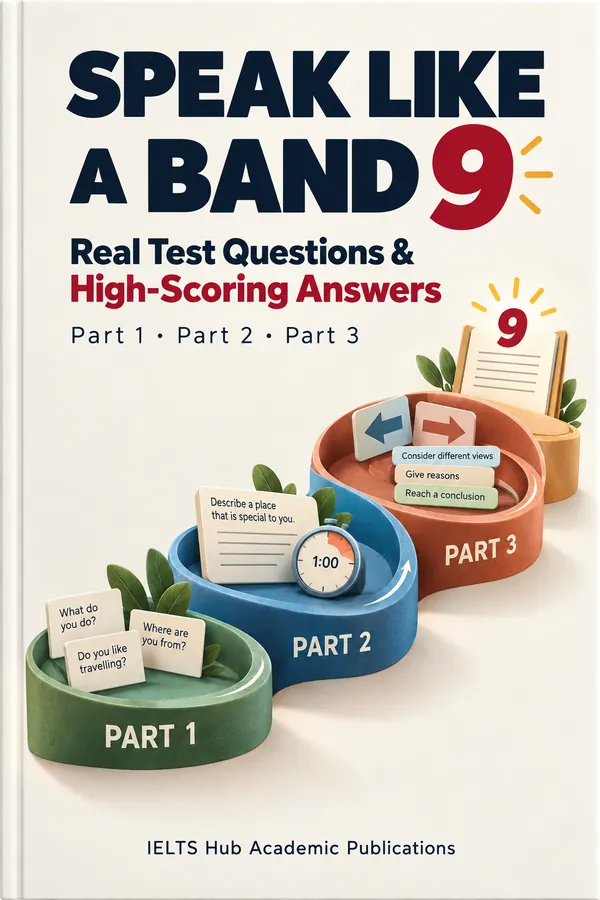
Speaking
Speak Like a Band 9
Real Test Questions & High-Scoring Answers
₹299$9.99CAD 13.99AUD 14.99£7.99NZD 16.99€8.99AED 39SGD 12.99

Speaking
Band 7+ Speaking Expressions
300 natural expressions for fluent, flexible speaking
₹199$6.99CAD 8.99AUD 9.99£4.99NZD 10.99€5.99AED 24SGD 8.99
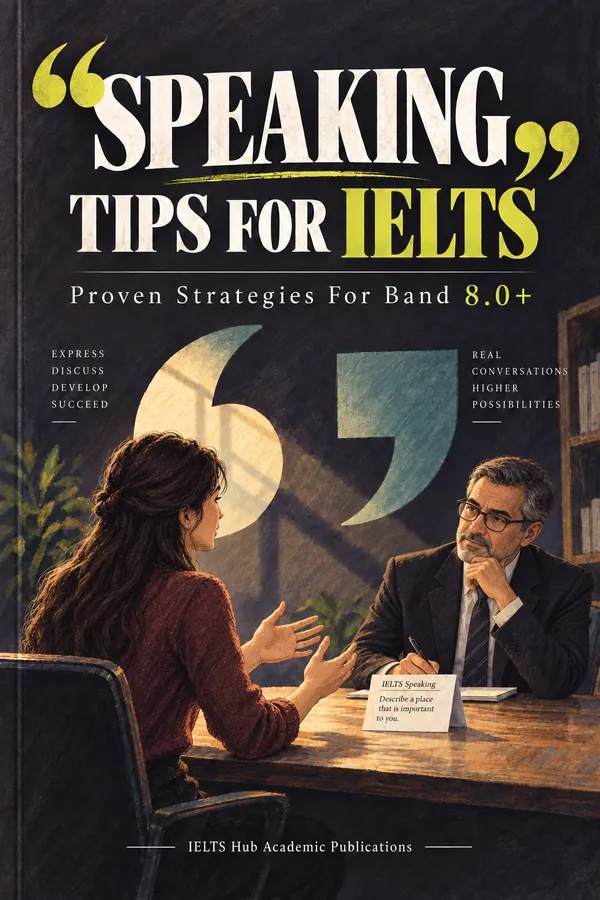
Speaking
Speaking Tips for IELTS
Proven Strategies for Band 8.0+
₹299$9.99CAD 13.99AUD 14.99£7.99NZD 16.99€8.99AED 39SGD 12.99