Speaking test #697
Part 1 · Interview
4 to 5 minutes. The examiner asks about you and familiar topics.
Can you tell me your full name?
Where are you from?
Do you work or are you a student?
At what age did you start studying mathematics?
I started studying mathematics when I was around six years old, in primary school.
Do you like mathematics? Why / why not?
I do enjoy mathematics, particularly the logical and analytical aspects of it. I find it satisfying to solve complex problems and to understand mathematical concepts. However, I also understand that it can be challenging for some people, so I appreciate that it might not be everyone's favorite subject.
Is it necessary for everyone to learn mathematics?
I believe that mathematics is an important subject for everyone to learn, regardless of their chosen career path. It is essential for developing problem-solving skills and logical thinking, which are valuable in many different fields. Additionally, it is essential for understanding the world around us, from basic concepts such as measurement and time to more advanced topics like statistics and physics.
Do you prefer to use a calculator when doing mathematics?
Personally, I prefer to use a calculator when doing mathematics. I find it helpful to use a calculator when working with large numbers or when solving complex equations. However, I also understand the importance of being able to do basic calculations mentally, so I try to practice both methods. Overall, I believe that a calculator can be a useful tool when working with mathematics, but it is important to understand the underlying concepts and principles.
Tell me about the kind of accommodation you live in.?
Currently, I reside in a spacious two-bedroom apartment located in the heart of the city. The building is relatively new and boasts modern amenities such as a gym, pool, and rooftop terrace.
How long have you lived there?
I have been living in this apartment for about a year now.
What do you like about living there?
I appreciate the convenience of living in the city center, as it allows for easy access to various amenities such as shopping centers, restaurants, and public transportation. Additionally, the building's amenities provide a great way to relax and unwind after a long day.
What sort of accommodation would you most like to live in?
Personally, I would love to live in a spacious and modern house with a large backyard. I would prefer it to be located in a quiet, residential area with easy access to nature and parks. Additionally, I would like it to be equipped with smart home technology and energy-efficient appliances to make daily life more convenient and sustainable.
You will have to talk about the topic for one to two minutes. You have one minute to think about what you are going to say. You can make some notes to help you if you wish.
Describe an important historical event in your country
You should say:
- What the event was
- When it happened
- Why it was important
- How it impacted the country
What the event was
India, a land rich in history and culture, has witnessed numerous significant historical events over the centuries. One such pivotal event that holds immense importance in Indian history is the Indian Independence movement, which eventually led to India gaining independence from British colonial rule. This movement, marked by various struggles and sacrifices, is a testament to the unwavering spirit of the Indian people in their quest for freedom.
When it happened
The Indian Independence movement began in the late 19th century and gained momentum in the early 20th century, culminating in India achieving independence on August 15, 1947. This event marked the end of nearly 200 years of British colonial rule in India and signified a new dawn of freedom and self-governance for the Indian population.
Why it was important
The significance of the Indian Independence movement lies in its role as a turning point in Indian history, shaping the destiny of millions of people and inspiring similar movements across the globe. It symbolizes the power of non-violent resistance and civil disobedience, as spearheaded by leaders like Mahatma Gandhi, who became the face of the movement.
How it impacted the country
The impact of India gaining independence was profound, as it paved the way for the birth of the world's largest democracy and set the stage for social, political, and economic reforms in the country. The event not only reshaped the map of the Indian subcontinent but also left a lasting legacy of unity in diversity and the importance of upholding democratic values in a pluralistic society. The Indian Independence movement continues to inspire generations and remains a beacon of hope for those striving for freedom and justice around the world.
- Words
- 269
- Sentences
- 10
- Words per sentence
- 26.9
- Speaking time
- about 2.1 min
Counted at 130 words a minute. The exam gives you one to two minutes.
Part 3 · Discussion
4 to 5 minutes. The examiner asks broader questions linked to the cue card topic.
What are the major historical events in your country that are different from those in other countries?
That's a fascinating question! Significant historical events in my country often reflect our unique cultural and social dynamics, which can differ greatly from those in other nations. For instance, while many countries might emphasize wars or revolutions as pivotal moments, our history features a rich tapestry of cultural exchanges and social movements that have shaped our identity. Additionally, the impact of colonization in my country has led to a distinct blend of traditions and languages that might not be as pronounced elsewhere. This nuanced history offers a different perspective on resilience and adaptation compared to nations that have faced more direct military confrontations. Ultimately, these differences highlight how each country’s narrative is shaped by its own experiences and values.
How much do you think people in your country see this historical event in a good light?
In my country, the perception of historical events can vary significantly among different demographics, but I would say that a substantial portion of the population views major events positively. For instance, events that symbolize national unity or cultural pride tend to be celebrated and remembered fondly. However, there are also voices that critique these events, highlighting the complexities and nuances that come with history. Overall, I believe that while many people cherish these moments, there’s a growing awareness of the need to critically engage with our past to fully understand its implications for the present. This balance of celebration and reflection is crucial for fostering a more informed society.
How do you think this historical event helps shape a country's identity?
Historical events play a pivotal role in shaping national identity, as they often become the cornerstone of a nation’s collective memory and values. For instance, events like revolutions or independence movements can instill a sense of patriotism and unity among citizens, fostering a shared narrative that defines who they are. Additionally, these events can highlight a nation's resilience and capacity for overcoming adversity, which can be a source of pride for future generations. They also provide lessons that inform a country's culture and traditions, helping to create a sense of belonging and continuity. Ultimately, the way a nation remembers and commemorates its historical events can significantly influence its identity and the values that are passed down through the ages.
Why do you think people in your country often remember or honor this event?
In my country, certain events are often commemorated because they hold deep historical significance and resonate with the collective memory of the people. For instance, national holidays that mark independence or significant milestones in our history are not just days off; they serve as a reminder of the struggles and sacrifices made by those who came before us. Such events foster a sense of unity and national pride, encouraging people to reflect on their shared identity and values. Additionally, these commemorations often involve various cultural activities, which help to keep our traditions alive and educate younger generations. Overall, I think these events play a crucial role in shaping our national consciousness and ensuring that we never forget our roots.
How could people view this historical event differently in the future?
The perception of historical events is often fluid, shaped by contemporary values and emerging narratives. As new evidence comes to light or as societal norms evolve, interpretations can shift dramatically. For instance, events that were once viewed through a certain lens may be reassessed in the context of modern ethics, leading to a more nuanced understanding. Additionally, the influence of technology and social media allows for diverse perspectives to gain traction, which can further alter the collective memory of these events. Ultimately, as future generations grapple with their own realities, they might reevaluate the significance of past occurrences, leading to a richer tapestry of historical interpretation.
What steps can we take to make sure that future generations learn the lessons from this historical event?
To ensure that the lessons from historical events are effectively taught to future generations, it's crucial to adopt a multifaceted approach. First and foremost, integrating these lessons into the school curriculum can create a solid foundation for understanding. This can be further enhanced by utilizing interactive learning methods, such as role-playing or simulations, which allow students to engage with the material on a deeper level. Moreover, leveraging technology—like documentaries or virtual reality experiences—can make history come alive, capturing the imagination of young learners. Finally, encouraging discussions and debates about these events can foster critical thinking, allowing students to draw parallels with contemporary issues. Ultimately, it’s about making history relevant and relatable, ensuring that the wisdom gleaned from the past is not lost on future generations.
Go further with the books
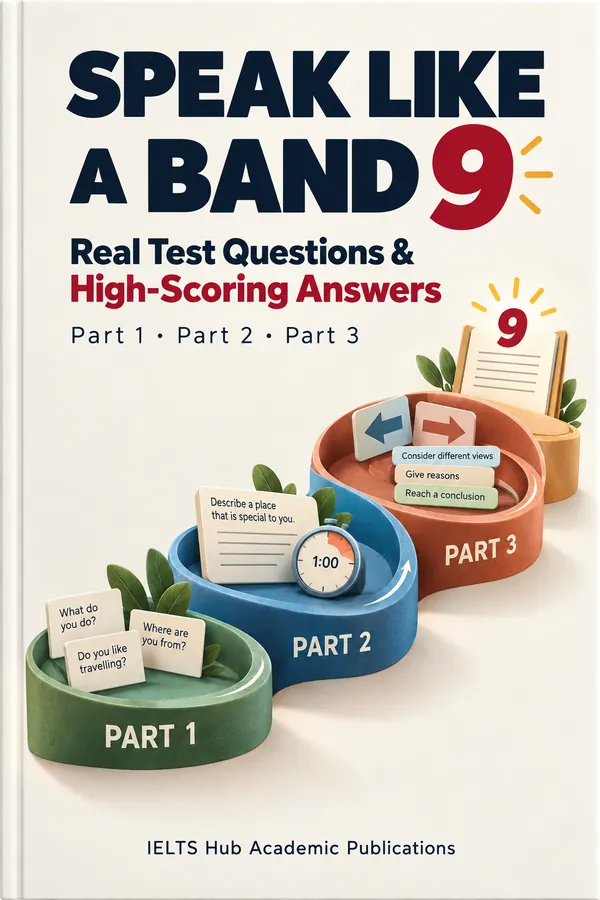
Speaking
Speak Like a Band 9
Real Test Questions & High-Scoring Answers
₹299$9.99CAD 13.99AUD 14.99£7.99NZD 16.99€8.99AED 39SGD 12.99
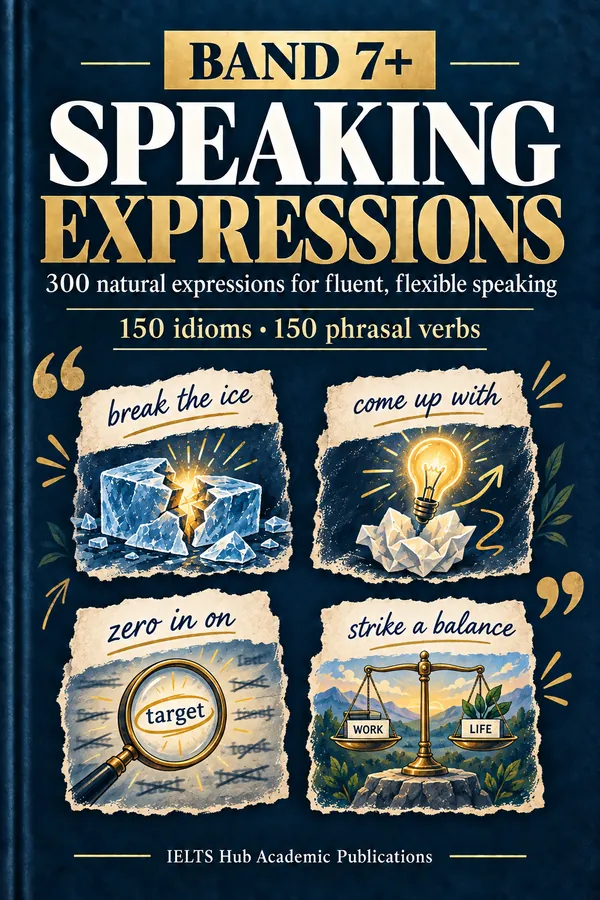
Speaking
Band 7+ Speaking Expressions
300 natural expressions for fluent, flexible speaking
₹199$6.99CAD 8.99AUD 9.99£4.99NZD 10.99€5.99AED 24SGD 8.99

Speaking
Speaking Tips for IELTS
Proven Strategies for Band 8.0+
₹299$9.99CAD 13.99AUD 14.99£7.99NZD 16.99€8.99AED 39SGD 12.99