Speaking test #702
Part 1 · Interview
4 to 5 minutes. The examiner asks about you and familiar topics.
Can you tell me your full name?
Where are you from?
Do you work or are you a student?
Do you like music? Why / why not?
I absolutely love music! For me, it's a way to express my emotions, connect with others and even forget about the world for a little while. Whether I'm feeling happy, sad, or just need some background noise, there's always a song that can fit the mood. I think music is one of the most powerful forms of art and it's something that has always been a big part of my life.
What kind of music do you listen to? Why?
I listen to a wide variety of music, but my favorite genre is probably alternative rock. I love the energy and emotion that comes through in the lyrics and the unique sound that different bands bring to the genre. I also enjoy listening to indie music and some electronic music. I find that these genres allow me to discover new artists and sounds, and I appreciate the diversity that they offer.
Has the music that you listen to changed since you were young?
Yes, my taste in music has definitely evolved over the years. When I was younger, I mostly listened to pop music and whatever was popular at the time. As I got older, I started to explore different genres and discovered that there was so much more out there than I had ever realized. My taste in music has become more diverse and I now appreciate a wider range of sounds and styles.
Do you think older and younger generations prefer different types of music?
I think that different generations can have different musical preferences, but it's not always a straightforward distinction. For example, older people might be more inclined to listen to classical music or traditional genres, while younger people might be more into hip-hop or electronic music. However, there are also plenty of older people who love contemporary music and younger people who appreciate older genres. I think it's important to remember that music is a personal thing and everyone has their own unique tastes and preferences.
Which instrument do you like listening to most? [Why?
?] I absolutely adore listening to the piano. The soft melodies and intricate harmonies that can be produced from a piano are truly mesmerizing to me. The piano is a versatile instrument that can be used to play a wide range of genres and styles, from classical to pop. It's also a beautiful instrument to look at and the sound it produces is simply breathtaking.
Have you ever learned to play a musical instrument? [Which one?
?] Yes, I have had the pleasure of learning how to play the guitar. It's a wonderful instrument that I've grown to love over the years. I find that playing the guitar is a great way to relax and unwind after a long day, and it's also a great way to express myself creatively.
Do you think children should learn to play a musical instrument at school? [Why/Why not?
?] I definitely think that children should learn to play a musical instrument at school. Not only does learning to play an instrument help with the development of fine motor skills and hand-eye coordination, but it also helps with creativity and self-expression. Additionally, playing an instrument can also have a positive impact on children's cognitive development and can even improve their academic performance. Overall, I think that learning to play a musical instrument is an incredibly valuable skill that should be taught to children at school.
How easy would it be to learn to play an instrument without a teacher? [Why?
?] Learning to play an instrument without a teacher would be quite difficult, in my opinion. While there are certainly resources available, such as online tutorials and instructional videos, nothing can replace the guidance and feedback that a teacher can provide. A teacher can provide personalized instruction and can help identify and correct any mistakes that a student may be making. Additionally, a teacher can provide encouragement and motivation, which is essential for any student trying to learn an instrument. Without a teacher, it would be much more difficult to progress and improve one's playing skills.
You will have to talk about the topic for one to two minutes. You have one minute to think about what you are going to say. You can make some notes to help you if you wish.
Describe your favourite way to relax
You should say:
- What activity do you do to relax?
- Where do you usually relax?
- How often do you engage in this activity?
- Why is this activity your favourite way to relax?
What activity do you do to relax?
Relaxation is crucial in today's fast-paced world, and my favourite way to unwind is by practicing yoga. This ancient practice not only rejuvenates my body but also calms my mind, allowing me to achieve a sense of inner peace. I find immense solace in the rhythmic flow of movements and the deep breathing techniques involved in yoga.
Where do you usually relax?
I usually relax by practicing yoga in my living room, where I have set up a peaceful corner with a yoga mat, scented candles, and soft music playing in the background. This serene environment helps me disconnect from the outside world and focus solely on my practice. The familiar surroundings of my home provide a sense of comfort and security, enhancing my relaxation experience.
How often do you engage in this activity?
I try to engage in yoga sessions at least three to four times a week, for about an hour each time. This regular practice not only helps me stay physically fit but also improves my mental clarity and emotional well-being. The consistency in my routine allows me to reap the full benefits of yoga, such as increased flexibility, strength, and mindfulness.
Why is this activity your favourite way to relax?
Yoga is my favourite way to relax because it offers a holistic approach to wellness, benefiting both my body and mind. The combination of physical postures, breathing exercises, and meditation helps me release tension, reduce stress, and improve my overall quality of life. The profound sense of tranquility and balance that I experience after each yoga session is unparalleled, making it an indispensable part of my self-care routine.
- Words
- 250
- Sentences
- 12
- Words per sentence
- 20.8
- Speaking time
- about 1.9 min
Counted at 130 words a minute. The exam gives you one to two minutes.
Part 3 · Discussion
4 to 5 minutes. The examiner asks broader questions linked to the cue card topic.
How do different ways to relax attract different age groups or lifestyles?
Different relaxation methods often resonate with various age groups and lifestyles due to their unique preferences and needs. For instance, younger individuals might gravitate towards more dynamic activities like yoga or dance, as these not only promote physical well-being but also serve as a social outlet. Conversely, older adults may prefer more tranquil practices such as meditation or reading, which allow for a sense of peace and tranquility while accommodating their need for restorative downtime. Additionally, those with busy lifestyles might find quick and effective relaxation techniques, like deep breathing exercises or short walks, incredibly appealing because they fit seamlessly into a hectic schedule. Ultimately, the diversity in relaxation methods reflects the myriad of factors that influence personal choices, making it essential for individuals to find what truly rejuvenates them.
How much do you believe people gain from their favorite ways to relax?
I believe individuals can gain immense benefits from their preferred relaxation techniques, and the extent of these benefits often hinges on personal preferences. For example, someone who enjoys meditative practices might experience reduced stress levels, enhanced focus, and even improved emotional well-being. On the other hand, a person who finds solace in physical activities like yoga or jogging may benefit not only from relaxation but also from the physical health aspects that come with exercise. Ultimately, when individuals engage in activities they genuinely enjoy, they tend to feel more rejuvenated and better equipped to handle daily challenges. This personalized approach to relaxation can lead to a profound sense of fulfillment and overall life satisfaction.
How does relaxing help keep our mental health and well-being good?
Relaxation plays a crucial role in maintaining overall mental health and well-being. In our fast-paced world, where stress seems to be a constant companion, taking time to unwind can significantly reduce anxiety and promote a sense of calm. Engaging in relaxation techniques, such as meditation or yoga, can help clear the mind and enhance our emotional resilience. Moreover, when we allow ourselves to relax, we often gain a better perspective on our challenges, making it easier to tackle them effectively. Ultimately, embracing relaxation is not just a luxury; it's a vital component of a balanced and fulfilling life.
Why do you think some people struggle to relax in their everyday lives?
I think there are several reasons why some people struggle to relax in their daily lives. Firstly, our modern society is incredibly fast-paced, and many individuals feel the pressure to constantly be on the go. This relentless push for productivity can create a sense of guilt when they're not working, making it hard to unwind. Additionally, the rise of technology means that people are often bombarded with notifications and distractions, which can keep their minds in overdrive. Lastly, some individuals may have personal habits or mindsets that make it challenging for them to switch off, such as perfectionism or a tendency to ruminate on their problems. Overall, it’s a complex interplay of external pressures and personal tendencies that can hinder relaxation.
How might the idea of relaxation change in the future?
The concept of relaxation is likely to undergo significant transformation in the coming years, especially with the rapid advancement of technology. For instance, we might see a rise in immersive experiences like virtual reality retreats that allow individuals to escape their daily stresses from the comfort of their own homes. Additionally, as people become more aware of mental health, relaxation techniques could integrate more holistic approaches, combining mindfulness with physical activities like yoga or tai chi. Moreover, with the increasing emphasis on work-life balance, companies may start offering innovative relaxation spaces or programs that encourage employees to unwind creatively. Overall, I believe the future of relaxation will be more personalized and accessible, catering to diverse needs and preferences.
What steps can be taken to get more people to practice good relaxation techniques?
To encourage more people to engage in effective relaxation practices, a multifaceted approach is essential. Firstly, public awareness campaigns can educate individuals on the numerous benefits of relaxation techniques, such as reduced stress and improved mental health. Additionally, incorporating relaxation practices into workplaces and schools through wellness programs can provide structured opportunities for people to unwind during their busy days. Community centers could also offer free or low-cost classes in mindfulness, yoga, or meditation, making these practices accessible to a wider audience. Ultimately, fostering a culture that values relaxation as a vital component of well-being could significantly enhance participation in these beneficial activities.
Go further with the books
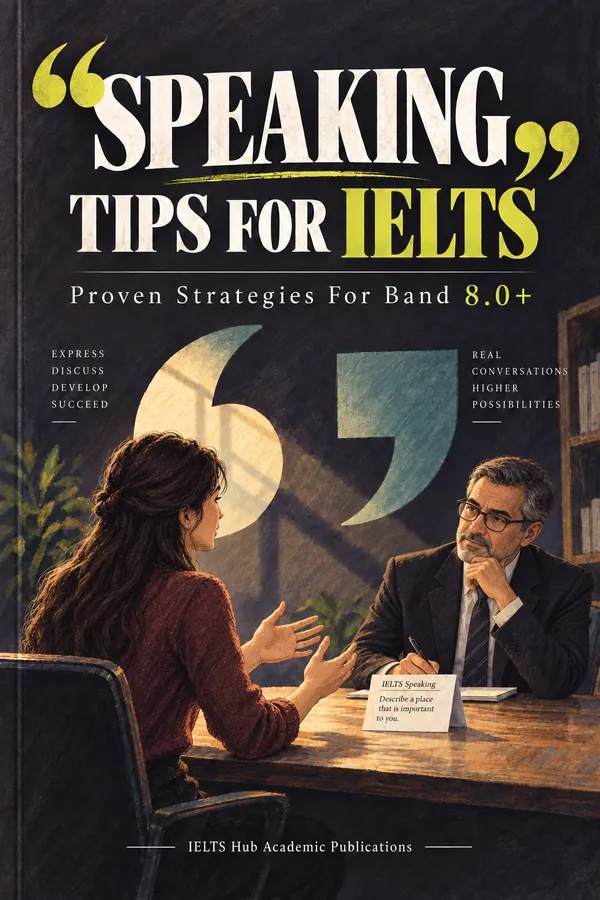
Speaking
Speaking Tips for IELTS
Proven Strategies for Band 8.0+
₹299$9.99CAD 13.99AUD 14.99£7.99NZD 16.99€8.99AED 39SGD 12.99
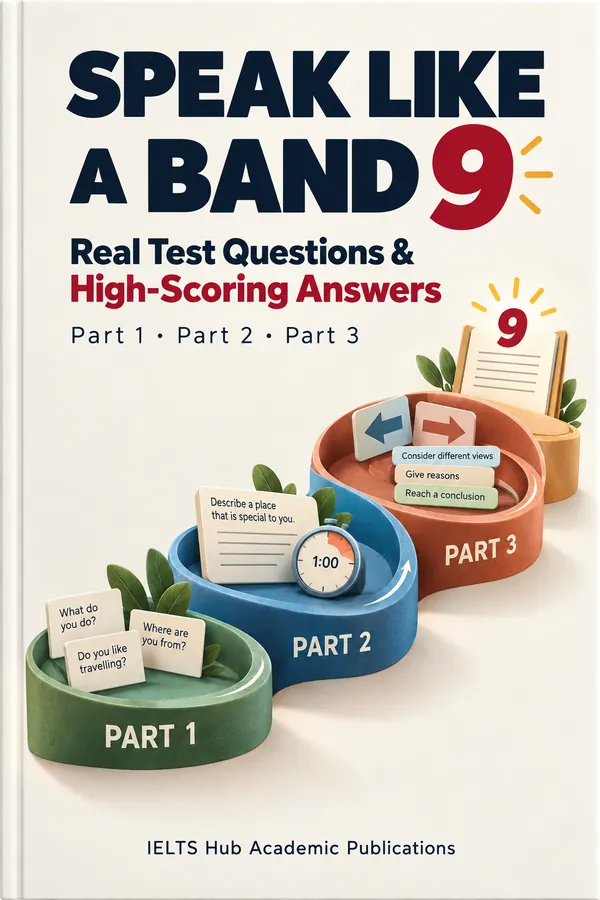
Speaking
Speak Like a Band 9
Real Test Questions & High-Scoring Answers
₹299$9.99CAD 13.99AUD 14.99£7.99NZD 16.99€8.99AED 39SGD 12.99
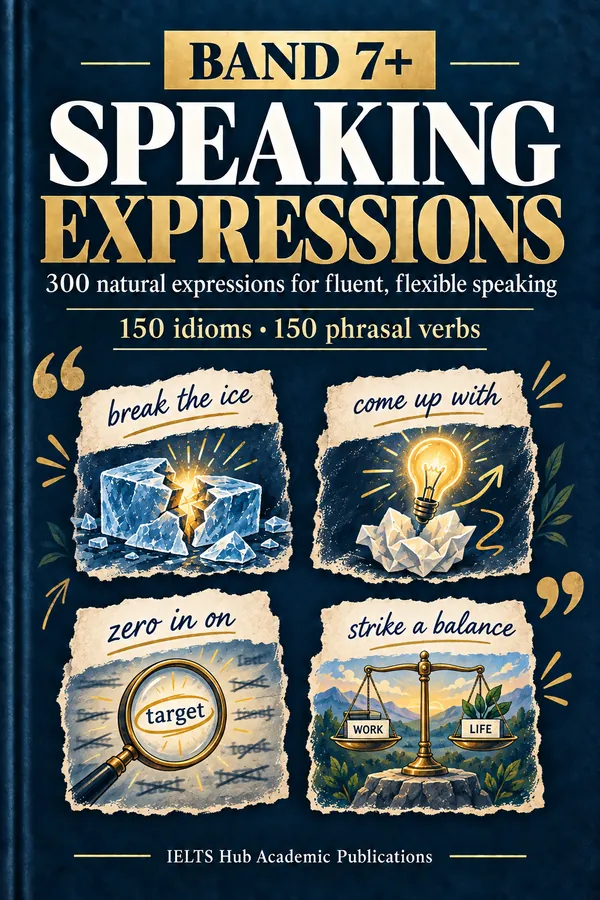
Speaking
Band 7+ Speaking Expressions
300 natural expressions for fluent, flexible speaking
₹199$6.99CAD 8.99AUD 9.99£4.99NZD 10.99€5.99AED 24SGD 8.99