Speaking test #713
Part 1 · Interview
4 to 5 minutes. The examiner asks about you and familiar topics.
Can you tell me your full name?
Where are you from?
Do you work or are you a student?
Do you keep plants at home?
? Yes, I do keep plants at home. I have a variety of different plants that I take care of, including succulents, cacti, and a beautiful fiddle leaf fig tree. I find that having plants in my home not only adds a touch of greenery and natural beauty, but it also helps to improve the air quality and create a more peaceful atmosphere.
What plant did you grow when you were young?
? When I was young, I remember growing a variety of different plants in our garden. Some of my favorites were tomatoes, cucumbers, and sunflowers. I loved the feeling of being able to nurture and take care of something, and seeing it grow and flourish. I also enjoyed eating the fruits of my labor, and it was a great way to connect with nature.
Do you know anything about growing a plant?
? Yes, I have some knowledge and experience with growing plants. I have learned about different types of soil, lighting, and watering requirements, as well as how to properly prune and care for different plants. I also enjoy experimenting with different types of plant care, and I am always trying to learn more about how to make my plants thrive.
Do Indian people give plants as gifts?
? Yes, I believe that Indian people do give plants as gifts. In Indian culture, plants are often seen as symbols of life, growth, and prosperity. Giving a plant as a gift is a way to wish someone well and to share a bit of nature's beauty. Some popular plants that are given as gifts in India include the tulsi plant, which is considered sacred, and the lucky bamboo, which is believed to bring good luck.
Are you a polite person?
A1. Absolutely, I believe in treating others with respect and kindness. Being polite is an important aspect of any society, and I make a conscious effort to always be courteous and considerate towards others.
How do people of your country (India) show politeness?
A2. In India, politeness is often demonstrated through the use of formal language and gestures. For example, using words like "please" and "thank you" is considered polite, as is using formal titles when addressing elders or authority figures. Additionally, Indian culture places a strong emphasis on the use of nonverbal cues, such as bowing or using hand gestures to show respect.
Has the way people show politeness changed in your country (India)?
A3. I believe that, like any society, India has undergone changes in the way politeness is expressed over time. For example, with the rise of technology and social media, people are increasingly communicating through digital platforms, which can make it more difficult to convey politeness through traditional nonverbal cues. However, I also think that traditional forms of politeness, such as using formal language and gestures, still hold strong in Indian culture.
Are you angry with people who are late?
A4. While I understand that things can come up that may cause someone to be late, I do have to admit that I can become frustrated when people are consistently late. However, I try to focus on understanding the reasons behind the lateness and not take it personally. Being punctual is an important aspect of respect and politeness, and I think it's important for all of us to make an effort to be on time.
You will have to talk about the topic for one to two minutes. You have one minute to think about what you are going to say. You can make some notes to help you if you wish.
Describe someone who is similar to you
You should say:
- How you know this person
- In what ways this person is similar to you
- What you like about this person
- How your relationship with this person is
I would like to talk about my twin sister who is incredibly similar to me in many aspects. We have been inseparable since birth, and our bond is truly special. Growing up together, we have developed similar interests, personalities, and even mannerisms.
Firstly, my twin sister and I share an unbreakable bond as we have been together since the day we were born. We have always been each other's constant companion, supporting and understanding one another through thick and thin. Our shared experiences have strengthened our connection and made us incredibly close.
Secondly, in terms of similarities, my twin sister and I often find ourselves thinking alike and completing each other's sentences. We have the same taste in music, movies, and food preferences. Moreover, our personalities are quite similar - we are both introverted, analytical, and have a quirky sense of humor.
What I particularly like about my twin sister is her unwavering support and empathy. She is always there for me, offering a listening ear and sound advice whenever I need it. Her caring nature and ability to understand me without judgment make her a cherished confidante.
Our relationship is built on a foundation of trust, mutual respect, and love. We share a deep bond that transcends words, and I feel incredibly lucky to have her as my twin sister. Our connection is unique and irreplaceable, and I cherish every moment spent with her.
- Words
- 235
- Sentences
- 15
- Words per sentence
- 15.7
- Speaking time
- about 1.8 min
Counted at 130 words a minute. The exam gives you one to two minutes.
Part 3 · Discussion
4 to 5 minutes. The examiner asks broader questions linked to the cue card topic.
How can people with similar personalities handle challenges in different ways?
People with similar personalities can still approach challenges in remarkably different ways, largely influenced by their individual experiences and coping mechanisms. For instance, two people with a resilient disposition might tackle setbacks either by embracing a problem-solving mindset or by seeking emotional support from friends and family. One might see challenges as opportunities for growth, adopting a proactive stance, while the other could be more inclined to reflect deeply on the emotional aspects before taking action. Additionally, even among those who are optimistic, some may prefer to dive headfirst into solutions, whereas others might take a more cautious, analytical approach. This diversity in tackling challenges highlights the complexity of human behavior, even among those with similar traits!
How much do you think having similar traits can improve relationships between people?
I believe that having similar traits can significantly enhance relationships between individuals. When people share common interests, values, or personality traits, it often leads to a deeper understanding and a stronger bond. For instance, friends who both enjoy outdoor activities are more likely to spend time together, creating memorable experiences and fostering a sense of camaraderie. Furthermore, mutual respect and shared goals can help navigate challenges more effectively, as both parties are on the same wavelength. However, while similarities can strengthen connections, I also think that a bit of diversity in traits can add depth to relationships, offering new perspectives and opportunities for growth. Balancing both similarities and differences can create a truly enriching relationship dynamic.
How important is it for people to discover similarities with others in their personal and work lives?
Finding commonalities with others is incredibly significant in both personal and professional realms. When people share similar interests or values, it creates a sense of rapport that fosters deeper connections. In professional settings, these shared experiences can lead to enhanced collaboration and teamwork, making it easier to tackle challenges together. On a personal level, discovering common ground can strengthen friendships and relationships, providing emotional support and understanding. Ultimately, these connections not only enrich our lives but also contribute to a more harmonious and productive environment.
Why do you think people are attracted to others with similar traits or experiences?
I believe people are naturally attracted to others who share similar characteristics or experiences because it creates a sense of belonging and understanding. When we connect with someone who has walked a similar path, it fosters an environment of empathy and mutual respect. These shared experiences often provide a foundation for deeper conversations and stronger relationships, allowing individuals to feel more comfortable and open. Additionally, having common interests or backgrounds can lead to a more fulfilling social interaction, as there’s less effort required to bridge the gap in understanding. Overall, these connections can significantly enhance one’s social and emotional well-being.
What changes could happen in social interactions as more people look for others who are similar to them in different ways?
As more individuals gravitate towards those who resemble them—whether in terms of culture, interests, or socioeconomic status—we could witness a fascinating shift in social dynamics. On one hand, this could lead to the creation of very strong community bonds, where people feel a greater sense of belonging and support. However, it might also foster a sense of social fragmentation, as groups become more insular and less open to diverse perspectives. This could stifle innovation and creativity, as collaboration across different backgrounds often leads to fresh ideas. Ultimately, while it's natural to seek comfort in similarity, we must remain vigilant about the potential for a more divided society if we don’t actively seek out and engage with those who are different from us.
What actions can people take to build relationships with others who share similar traits or backgrounds?
Fostering connections with like-minded individuals can be incredibly rewarding, and there are several effective steps one can take. Firstly, engaging in community activities or local events that align with your interests is a fantastic way to meet people who share similar values or backgrounds. For instance, joining clubs or groups centered around hobbies, such as book clubs or sports teams, can create a natural environment for interaction. Additionally, leveraging social media platforms can help individuals connect with others who have common interests, especially in today’s digital age. Participating in online forums or discussion groups can not only facilitate conversations but also build lasting relationships. Lastly, being open and approachable plays a crucial role; sometimes, simply starting a conversation with someone can lead to unexpected and meaningful connections.
Go further with the books
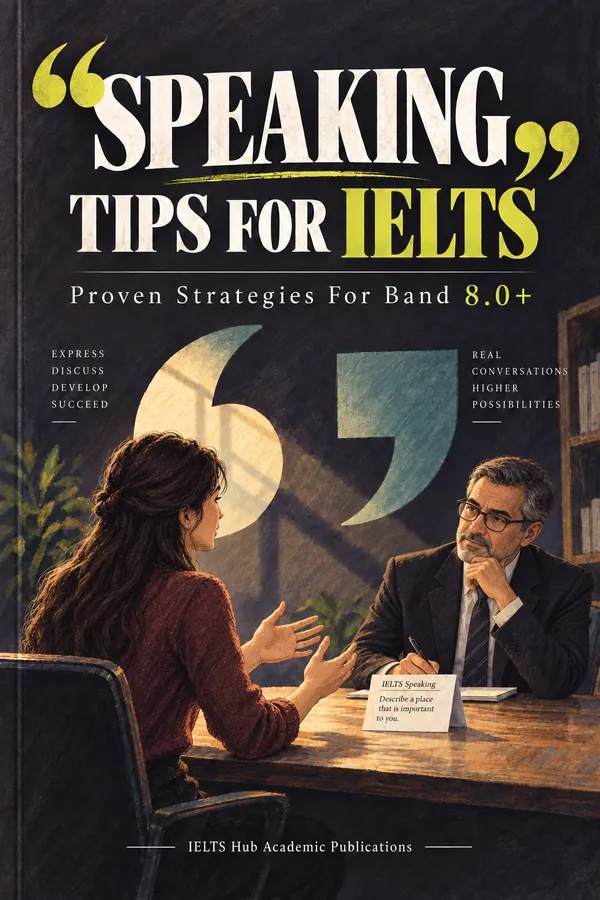
Speaking
Speaking Tips for IELTS
Proven Strategies for Band 8.0+
₹299$9.99CAD 13.99AUD 14.99£7.99NZD 16.99€8.99AED 39SGD 12.99
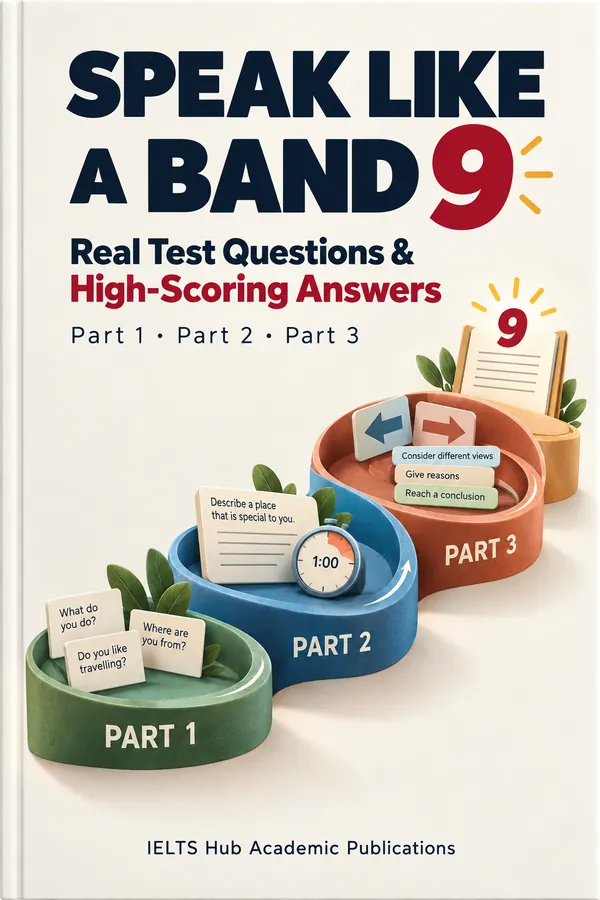
Speaking
Speak Like a Band 9
Real Test Questions & High-Scoring Answers
₹299$9.99CAD 13.99AUD 14.99£7.99NZD 16.99€8.99AED 39SGD 12.99
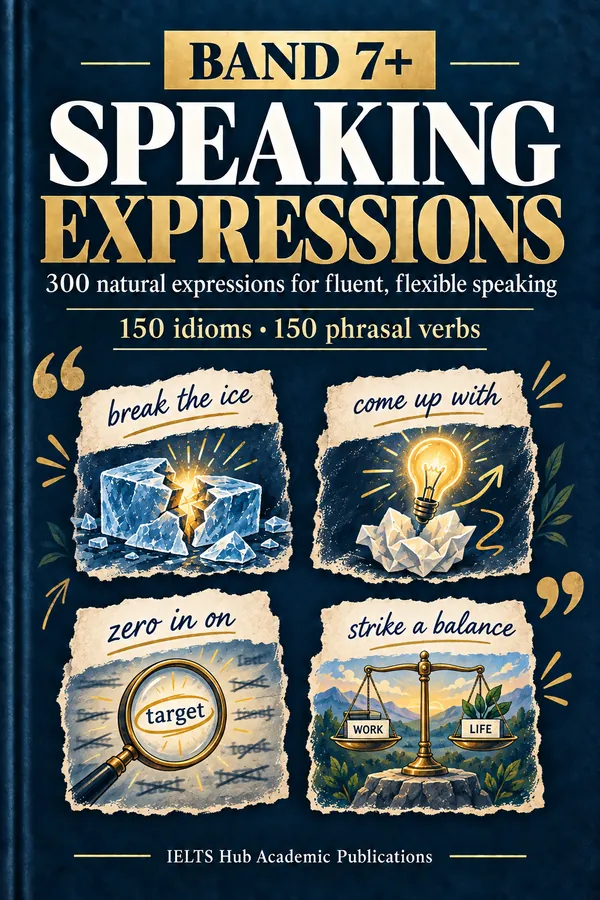
Speaking
Band 7+ Speaking Expressions
300 natural expressions for fluent, flexible speaking
₹199$6.99CAD 8.99AUD 9.99£4.99NZD 10.99€5.99AED 24SGD 8.99