Speaking test #715
Part 1 · Interview
4 to 5 minutes. The examiner asks about you and familiar topics.
Can you tell me your full name?
Where are you from?
Do you work or are you a student?
How did you get here today?
I took the train to get here today. It was a very smooth journey and I arrived on time for my IELTS exam.
Do you often use public transport?
Yes, I do. I find it to be a convenient and cost-effective way to travel, especially in the city where I live.
Do you like public transport in your country?
I love it! Public transport in my country is very efficient and reliable. There are a variety of options available, such as buses, trains, and subways, which makes it easy for me to get around.
What is the difference between taking the bus and taking the train?
The main difference between taking the bus and taking the train is the speed and distance that can be covered. Buses are generally slower and only travel within a specific area, while trains can cover longer distances at a faster speed. Additionally, trains typically have more comfortable seating and amenities compared to buses.
Do you Think it’s Important to be on time?
Absolutely, being on time is crucial in both personal and professional settings. It shows respect for others' time and demonstrates responsibility and punctuality. Being late can also have negative consequences, such as missing out on important opportunities or causing inconvenience for others.
How do you Feel When others are Late?
When others are late, I can feel quite frustrated and sometimes even disrespected. It can disrupt the flow of a planned event or meeting and cause delays and inconvenience for everyone involved. However, I understand that unexpected circumstances can happen, so I try to remain understanding and patient.
How do you Feel When you are Late?
When I am late, I feel quite guilty and apologetic. I understand the inconvenience it can cause for others and I always make sure to communicate any delays or changes in plans. I also try to take steps to ensure that I am on time in the future, such as planning ahead and leaving extra early.
Do you Wear a Watch?
Yes, I do wear a watch. I find it to be a useful tool for keeping track of time and ensuring that I am on time for appointments and meetings. It also eliminates the need to constantly check my phone for the time, which can be a distraction.
You will have to talk about the topic for one to two minutes. You have one minute to think about what you are going to say. You can make some notes to help you if you wish.
Describe a cafe you have recently visited
You should say:
- Location and ambiance of the cafe
- Menu and food/drinks you tried
- Service quality and staff friendliness
- Overall experience and whether you would visit again
Location and ambiance of the cafe
I recently visited a charming café called "Mango Blossom" located in the heart of Mumbai, India. As I stepped into the café, I was immediately captivated by its cozy ambiance - soft lighting, comfortable seating, and tasteful decor created a welcoming atmosphere. The café was adorned with green plants and colorful artwork, adding a touch of vibrancy to the space.
Menu and food/drinks you tried
The menu at Mango Blossom featured a delightful mix of both local and international dishes. During my visit, I tried their signature mango smoothie and a delicious plate of spicy chicken sliders. The flavors were exquisite, and the presentation was top-notch. In addition to their food offerings, the café also had an impressive selection of specialty coffees and teas that catered to every palate.
Service quality and staff friendliness
The service at Mango Blossom was exceptional, with attentive staff members who were not only efficient but also genuinely friendly. The waiters were knowledgeable about the menu and took the time to ensure that my dining experience was nothing short of perfect. Their warm hospitality truly added to the overall enjoyment of my visit.
Overall experience and whether you would visit again
Overall, my experience at Mango Blossom was fantastic, and I would definitely visit again in the future. The combination of a cozy ambiance, delicious food, excellent service, and friendly staff made it a memorable dining experience. I left the café feeling satisfied and content, already looking forward to my next visit to this hidden gem in the bustling city of Mumbai.
- Words
- 239
- Sentences
- 13
- Words per sentence
- 18.4
- Speaking time
- about 1.8 min
Counted at 130 words a minute. The exam gives you one to two minutes.
Part 3 · Discussion
4 to 5 minutes. The examiner asks broader questions linked to the cue card topic.
What are the differences in atmosphere and customers between cafes in cities and those in the countryside?
Cafes in urban areas and those in rural settings really offer distinct experiences due to their unique atmospheres and clientele. In cities, cafes tend to have a more vibrant and dynamic atmosphere, often bustling with energy as people rush in and out, whether they’re grabbing a quick coffee on their way to work or meeting friends for a leisurely brunch. The clientele is typically diverse, reflecting the city's multicultural vibe, with people from various backgrounds and professions mingling together. On the other hand, rural cafes often exude a more relaxed and intimate atmosphere, where the pace of life is slower. You might find locals gathering to share stories or catch up on the latest news, creating a sense of community that's often absent in the urban hustle. The clientele here is usually more homogeneous, consisting mostly of residents who frequent the cafe regularly, making it a hub for social interaction within the town. Overall, while urban cafes thrive on a fast-paced energy, rural ones offer a cozy, familiar environment that fosters genuine connections.
Some people think that the atmosphere of a cafe matters more than how good the food and drinks are. What do you think about this?
I absolutely see where that perspective comes from! The atmosphere of a café can significantly influence the overall experience. Many people go to cafés not just for the food or drink, but to relax, socialize, or even work in a cozy environment. A vibrant ambiance can create a sense of community and make the time spent there feel more enjoyable, even if the food isn't top-notch. Of course, I think there's a balance; if the quality of the food is lacking, it might deter customers in the long run. Ultimately, a café that combines a delightful ambiance with high-quality offerings is likely to be the most successful!
How do you think cafes help people connect with each other in a community?
Cafes play a pivotal role in fostering social interactions within a community, acting as vibrant social hubs where people can gather, connect, and share experiences. They provide a relaxed atmosphere that encourages conversation, whether it’s a casual catch-up with friends or a more serious discussion over a cup of coffee. Additionally, cafes often host events like open mic nights or art exhibitions, which can further enhance community engagement and promote local talent. By creating a welcoming space, they help strengthen the sense of belonging among residents, making it easier for individuals to forge new friendships and build connections. Ultimately, cafes are more than just places to grab a drink; they are integral to weaving the social fabric of a community.
Why do you think some people like to work or study in cafes instead of at home or in libraries?
I think there are several reasons why people gravitate towards cafes for work or study. Firstly, the vibrant atmosphere of a café can be incredibly motivating; the buzz of conversations and the aroma of freshly brewed coffee often create an inspiring backdrop. In contrast, working at home can sometimes feel isolating and can lead to distractions that detract from productivity. Additionally, many individuals appreciate the opportunity to interact socially with others, even if it's just in passing, which can alleviate feelings of loneliness. Lastly, cafes often provide free Wi-Fi and comfortable seating, making them a practical choice for those who need a change of scenery while working or studying.
How could cafe culture change in the next ten years because of new technology and what people like?
I believe the café culture is set to undergo some fascinating transformations in the next decade, largely driven by technological advancements and shifting consumer preferences. For starters, we’re likely to see an increase in smart café technology, such as app-based ordering and payment systems that enhance convenience for customers. This could lead to more personalized experiences, as cafés gather data on preferences and tailor their offerings accordingly. Moreover, as remote work becomes increasingly common, cafés might evolve into multifunctional spaces that cater to both social interactions and professional needs, possibly integrating co-working areas with a vibrant atmosphere. Sustainability will also play a pivotal role, with more cafés adopting eco-friendly practices and offering locally sourced products to meet the demands of environmentally conscious consumers. Overall, I think the café landscape will become a dynamic blend of technology, community, and sustainability, creating a truly unique experience for patrons.
What steps can cafe owners take to bring in more customers during slow times?
Cafe owners can adopt a variety of strategies to entice more customers during off-peak hours. For instance, offering happy hour discounts can significantly boost foot traffic, as people often appreciate the chance to enjoy their favorite drinks at a lower price. Additionally, hosting themed events, such as open mic nights or trivia quizzes, can create a vibrant atmosphere that draws in crowds looking for entertainment. Another effective measure is to leverage social media by promoting exclusive deals or limited-time offers, which can generate buzz and increase visibility. Ultimately, creating a sense of community and providing unique experiences can help cafes stand out and attract more patrons at quieter times.
Go further with the books
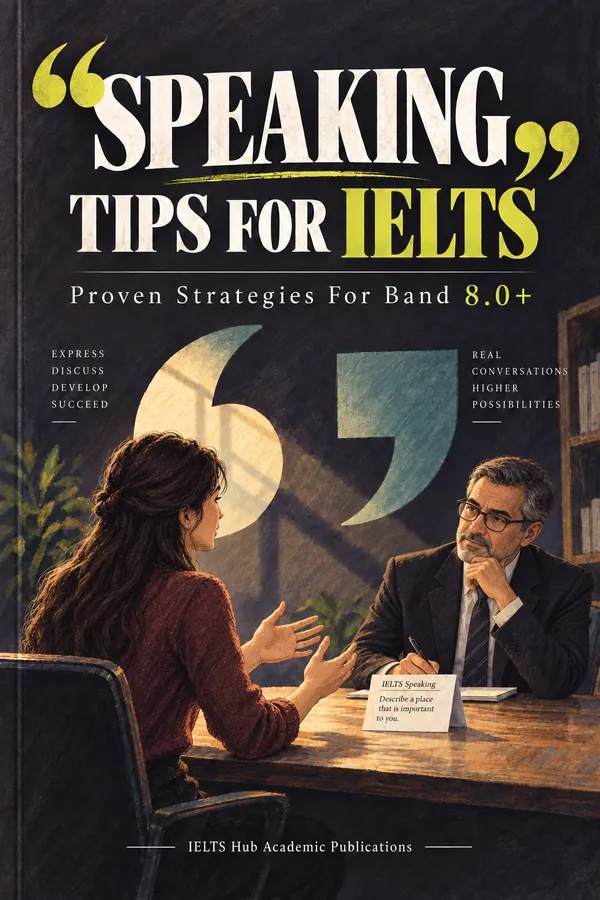
Speaking
Speaking Tips for IELTS
Proven Strategies for Band 8.0+
₹299$9.99CAD 13.99AUD 14.99£7.99NZD 16.99€8.99AED 39SGD 12.99
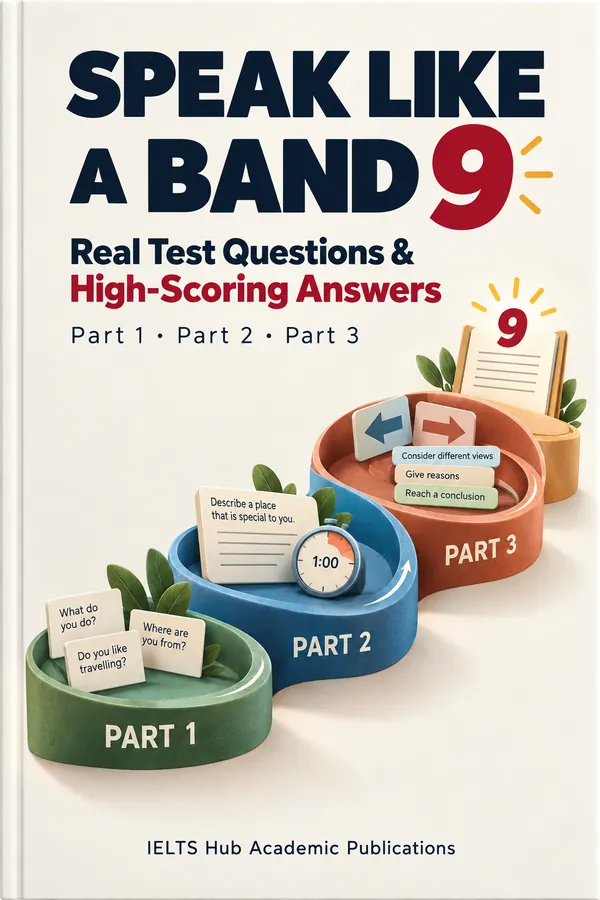
Speaking
Speak Like a Band 9
Real Test Questions & High-Scoring Answers
₹299$9.99CAD 13.99AUD 14.99£7.99NZD 16.99€8.99AED 39SGD 12.99

Speaking
Band 7+ Speaking Expressions
300 natural expressions for fluent, flexible speaking
₹199$6.99CAD 8.99AUD 9.99£4.99NZD 10.99€5.99AED 24SGD 8.99