Speaking test #717
Part 1 · Interview
4 to 5 minutes. The examiner asks about you and familiar topics.
Can you tell me your full name?
Where are you from?
Do you work or are you a student?
Do you like to read?
I absolutely adore reading! There's nothing quite like getting lost in a good book, whether it's a gripping thriller or a heart-wrenching romance. I find it to be a wonderful escape from the hustle and bustle of everyday life, and a great way to learn new things and expand my horizons.
Do you ever visit the library?
Yes, I visit the library quite frequently. I find it to be a great resource for finding new books to read, and I also love the peaceful and quiet atmosphere. Plus, it's a great way to support my local community and promote literacy.
Do you prefer reading books or watching films?
This is a tough question, as I love both reading books and watching films. However, if I had to choose, I would say that I prefer reading books. There's something about getting lost in the written word that I find incredibly captivating. Plus, books often offer a deeper and more complex exploration of characters and themes than films do.
Do you think it is essential that children read regularly?
Absolutely! Reading is such a crucial skill for children to develop, as it helps with everything from language development to problem-solving skills. Plus, reading is a great way for children to learn about the world around them, and to develop empathy and understanding for others. Regular reading can also be a great way to promote a lifelong love of learning and curiosity.
Do you recycle? Why?
Yes, I recycle. I believe it is our responsibility as citizens to do our part in protecting the environment. Recycling reduces the amount of waste that ends up in landfills and reduces the need for new resources to be extracted, which in turn helps to preserve our natural resources. Additionally, recycling can also help to conserve energy and reduce greenhouse gas emissions.
Did you recycle when you were a kid?
Yes, I did recycle when I was a kid. My parents always taught me the importance of being environmentally conscious and I grew up with the habit of recycling. We had separate bins for different types of materials and I remember being in charge of sorting the recyclables and taking them to the designated recycling center.
Will you recycle in the future?
Absolutely. Recycling is something that I believe in and will continue to practice in the future. It is a simple yet effective way to reduce our impact on the environment and I will always make an effort to recycle as much as possible.
What kind of things do you recycle?
I recycle a variety of materials, such as paper, cardboard, glass, plastic, and metal. I also try to compost organic materials like food scraps and yard waste. Additionally, I also recycle electronic waste such as old phones and computers, which can be harmful to the environment if not disposed of properly. Overall, I make an effort to recycle as many materials as possible in order to reduce waste and protect the environment.
You will have to talk about the topic for one to two minutes. You have one minute to think about what you are going to say. You can make some notes to help you if you wish.
Describe a service that you received for free
You should say:
- What was the service
- Who provided the service
- How the service benefited you
- How you felt about receiving the service
What was the service
Recently, I had the opportunity to experience a valuable service provided to me for free which was a career counseling session. This service was offered by a renowned career guidance center in my city known for their expertise in assisting individuals in making informed career choices. The session was conducted by a team of professional career counselors with extensive experience in guiding students and professionals alike.
Who provided the service
The benefits of this service were truly exceptional as it helped me gain clarity on my career goals and provided insights into suitable career paths based on my interests and skills. The counselors conducted various assessments and discussions to understand my strengths and weaknesses, which enabled them to suggest potential career options that aligned with my personal attributes. This guidance was instrumental in helping me make informed decisions about my future career direction.
How the service benefited you
Receiving this service for free was indeed a blessing as it not only saved me a significant amount of money that I would have had to spend on similar services but also provided me with high-quality guidance that I may not have been able to afford otherwise. I felt grateful and fortunate to have had access to such a valuable service without any financial burden. The experience left me feeling empowered and motivated to pursue my career goals with renewed confidence and clarity.
How you felt about receiving the service
In conclusion, the free career counseling service I received was a transformative experience that had a positive impact on my career planning efforts. The professionalism and expertise of the counselors, coupled with the personalized guidance I received, made this service truly invaluable. I am immensely grateful for the opportunity to benefit from such a service and will always cherish the insights and direction it provided me in shaping my future endeavors.
- Words
- 293
- Sentences
- 12
- Words per sentence
- 24.4
- Speaking time
- about 2.3 min
Counted at 130 words a minute. The exam gives you one to two minutes.
Part 3 · Discussion
4 to 5 minutes. The examiner asks broader questions linked to the cue card topic.
What is the difference in customer satisfaction between getting a service for free and paying for it?
Receiving a free service often leads to a different level of customer satisfaction compared to paying for one. When people get something for free, they might feel a sense of gratitude and appreciate the gesture, but it can also come with lower expectations. On the other hand, when someone pays for a service, there’s typically a higher level of investment involved, which often translates to a demand for quality and a more profound sense of entitlement. This can create a situation where customers are more critical and less forgiving if their expectations aren’t met. Ultimately, while free services can lead to positive feelings, paid services often foster a stronger sense of value and satisfaction when they meet or exceed expectations.
How might people feel differently about free services versus paid ones?
People often perceive free services and paid services quite differently, primarily due to the concept of value. When something is free, individuals might assume it lacks quality or reliability, leading to skepticism about its effectiveness. On the other hand, when people invest money in a service, they typically expect a higher standard of quality assurance and customer support. Additionally, there's a psychological aspect at play; when we pay for something, we tend to appreciate it more and often feel a sense of ownership over the experience. Ultimately, this difference in perception can significantly influence how people engage with and utilize various services.
How do free services help improve community well-being and support?
Free services play a pivotal role in enhancing community welfare and support by providing essential resources that might otherwise be inaccessible to many individuals. For instance, free healthcare clinics and food banks can significantly alleviate the burden on low-income families, ensuring that basic needs are met. Additionally, these services foster a sense of community cohesion, as they often bring people together and create opportunities for social interaction and collaboration. Moreover, they can serve as a safety net, especially during tough economic times, helping to prevent individuals from falling into deeper poverty. Ultimately, free services not only address immediate needs but also contribute to building a resilient and supportive community overall.
Why do people or groups decide to provide services for free?
Individuals or organizations may choose to offer services without charge for a variety of compelling reasons. For starters, it can be a fantastic way to build community goodwill and enhance their reputation. By providing free services, they often foster a sense of loyalty and trust among their audience, which can be invaluable in the long run. Additionally, offering complimentary services can serve as a strategic marketing tool, allowing organizations to showcase their expertise and attract potential customers who might later convert to paying clients. Lastly, many individuals and organizations are motivated by a genuine desire to give back, whether it's to support a cause they care about or to help those in need. Overall, these altruistic endeavors can create a ripple effect, encouraging others to do the same.
What changes could happen to free services in the future?
In the future, I envision a significant shift in the availability of free services, particularly as technology continues to evolve. With the rise of digital platforms and online resources, we might see an increase in free educational offerings, allowing people from all walks of life to access quality learning materials without any cost. However, this could also lead to a saturation of advertising-driven models, where the provision of free services might come at the expense of user privacy or data security. Additionally, as governments grapple with budget constraints, we may witness a reduction in publicly funded services, necessitating a greater reliance on private sector initiatives that might not always prioritize accessibility. Overall, while there will likely be more free services available, the quality and sustainability of these offerings could become increasingly complex.
What steps can be taken to keep free services helpful and lasting for society?
To ensure that free services remain sustainable and beneficial to society, it's crucial to implement a combination of government support and community engagement. For instance, governments could allocate funding specifically for these services, ensuring they have the financial backing needed to operate effectively. Additionally, fostering partnerships between public and private sectors can bring in innovation and resources that enhance service quality. Moreover, involving the community in decision-making processes can help tailor services to meet actual needs, making them more relevant and effective. By creating a collaborative environment, we can maintain the long-term viability of free services while maximizing their positive impact on society.
Go further with the books
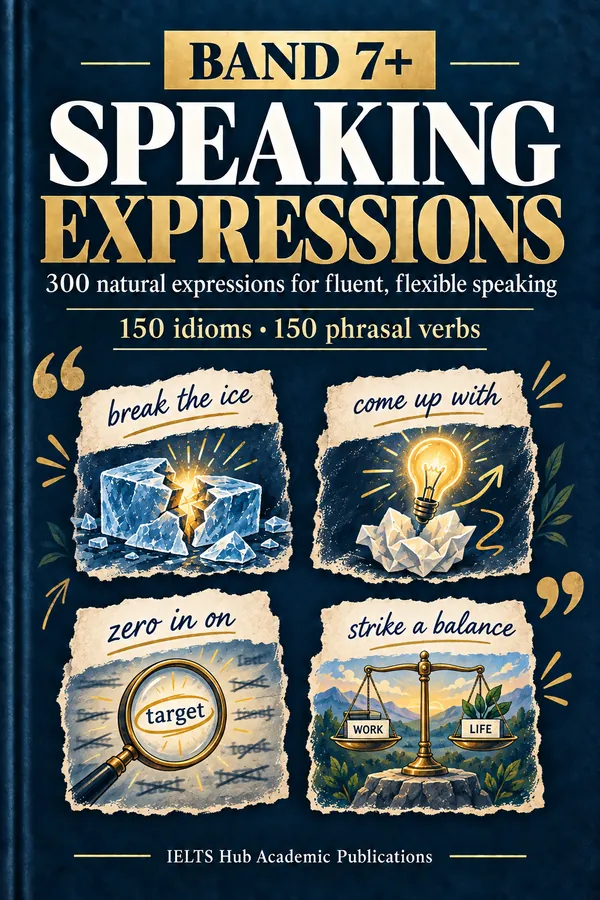
Speaking
Band 7+ Speaking Expressions
300 natural expressions for fluent, flexible speaking
₹199$6.99CAD 8.99AUD 9.99£4.99NZD 10.99€5.99AED 24SGD 8.99
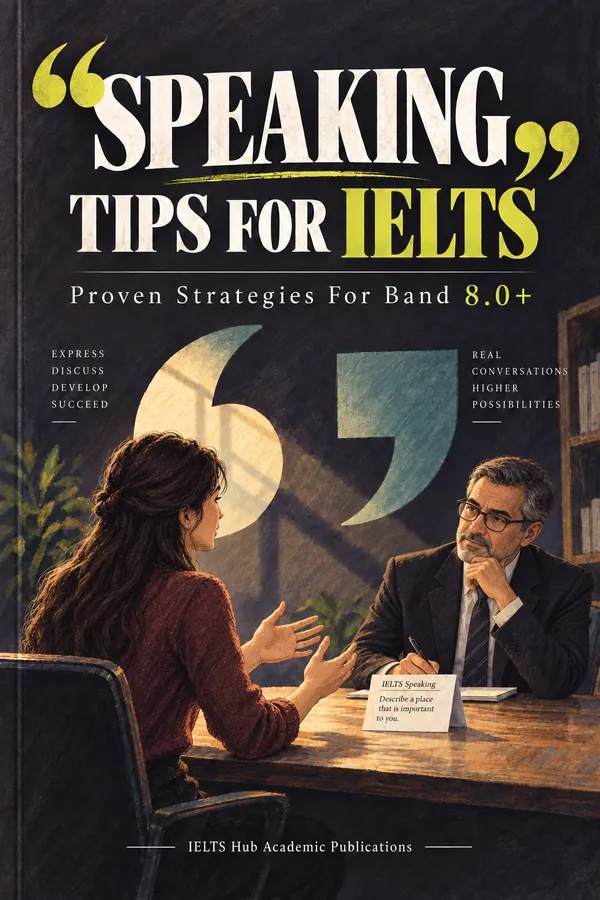
Speaking
Speaking Tips for IELTS
Proven Strategies for Band 8.0+
₹299$9.99CAD 13.99AUD 14.99£7.99NZD 16.99€8.99AED 39SGD 12.99
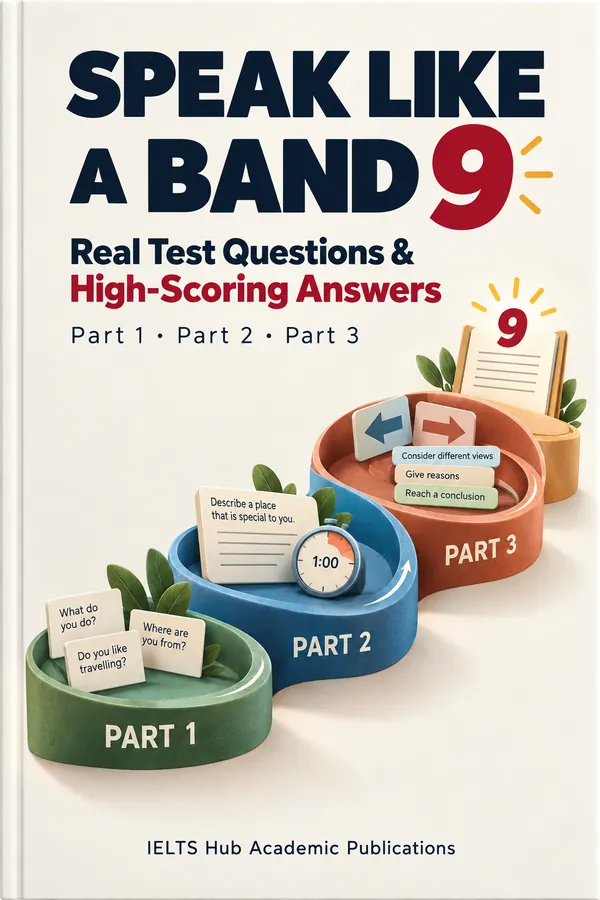
Speaking
Speak Like a Band 9
Real Test Questions & High-Scoring Answers
₹299$9.99CAD 13.99AUD 14.99£7.99NZD 16.99€8.99AED 39SGD 12.99