Speaking test #720
Part 1 · Interview
4 to 5 minutes. The examiner asks about you and familiar topics.
Can you tell me your full name?
Where are you from?
Do you work or are you a student?
How do you feel about birds? [Why?
?] I absolutely adore birds! Their vibrant colors and unique songs always bring a smile to my face. Plus, it's amazing to see the different adaptations and behaviors they exhibit in their natural habitats.
Have you seen many kinds of birds?
Yes, I've been fortunate enough to observe a wide variety of birds in my travels. From the majestic bald eagle in the United States to the colorful parrots of South America, it's always a treat to spot a new species.
How do people in your country feel about birds?
In India, birds hold a special place in our culture and traditions. Many people keep bird feeders in their gardens to attract a variety of species, and it's not uncommon to see people taking early morning walks to watch and photograph the birds.
Do any birds have any particular significance in your country?
Absolutely! The peacock is the national bird of India and is revered for its beauty and grace. In Hindu mythology, the god Krishna is often depicted with a peacock feather in his headband, symbolizing his vanity and pride.
Did you save money when you were young?
Yes, I did save money when I was young. I have always had a strong sense of financial responsibility and understood the importance of saving money for the future. I remember putting away a portion of my allowance every week into a piggy bank, and as I got older, I opened a savings account at the bank.
Do parents give children pocket money in your culture (India)?
Yes, parents in India do give children pocket money. It is common for parents to give their children a small allowance to manage their expenses, such as buying snacks or going to the movies with friends. It is also a way for parents to teach their children about budgeting and managing money.
What kinds of things do people save money for?
People save money for a variety of things, such as buying a new car or house, paying for education, going on vacation, or saving for retirement. Some people also save money for emergencies or unexpected expenses. Ultimately, it depends on each person's financial goals and priorities.
Why do you think some people cannot save money?
I believe that some people cannot save money due to a lack of financial literacy or discipline. They may struggle with budgeting and managing their expenses, or they may have a tendency to overspend or live beyond their means. Additionally, some people may have financial constraints such as low income or high debt, which can make it difficult to save money. However, with the right mindset and tools, anyone can learn to save money and achieve their financial goals.
You will have to talk about the topic for one to two minutes. You have one minute to think about what you are going to say. You can make some notes to help you if you wish.
Describe a crowded place you have visited in your country
You should say:
- When and where you visited the crowded place
- What the place was like
- How you felt about the crowd
- What you did while you were there
When and where you visited the crowded place
I would like to talk about my visit to Chandni Chowk in Delhi, India, which is one of the most crowded places I have ever been to. I visited this bustling market area last winter during the festive season. Chandni Chowk is renowned for its narrow lanes filled with shops selling everything from textiles to spices, attracting a large number of locals and tourists alike.
What the place was like
Walking through Chandni Chowk was an exhilarating experience, with the constant hustle and bustle of people, honking of vehicles, and vibrant colors all around. The sheer volume of people navigating through the crowded lanes was both overwhelming and fascinating at the same time. Despite the chaos, there was a sense of energy and vibrancy in the air that was infectious.
How you felt about the crowd
Initially, I felt a bit overwhelmed by the sea of people around me, but as I immersed myself in the sights, sounds, and smells of Chandni Chowk, I found myself enjoying the vibrant atmosphere. I marveled at the diverse range of products being sold, interacted with local vendors, and sampled delicious street food. The experience of being surrounded by so many people from different walks of life was truly eye-opening.
What you did while you were there
During my visit, I spent hours exploring the market, trying out different street foods, bargaining with vendors, and soaking in the rich culture and history of the place. Despite the challenges of navigating through the crowded lanes, I found the experience to be incredibly rewarding and memorable. Chandni Chowk left a lasting impression on me, showcasing the vibrant spirit and diversity of Indian culture in a unique and chaotic setting.
- Words
- 265
- Sentences
- 12
- Words per sentence
- 22.1
- Speaking time
- about 2.0 min
Counted at 130 words a minute. The exam gives you one to two minutes.
Part 3 · Discussion
4 to 5 minutes. The examiner asks broader questions linked to the cue card topic.
What are the differences between busy places in cities and those in the countryside?
Crowded places in urban areas tend to be vibrant and bustling, filled with an array of activities and diverse crowds. In contrast, rural settings, even when busy, often have a more laid-back atmosphere where people may gather for community events or local markets. Urban crowds are usually characterized by their fast-paced nature, with people rushing to work or social engagements, while rural areas often foster a sense of community cohesion that encourages slower, more meaningful interactions. Additionally, the types of crowded places differ; urban areas might feature busy shopping districts or entertainment hubs, whereas rural places might center around local festivals or outdoor gatherings. Overall, the energy and purpose behind the crowds in these two settings create distinct experiences for those who navigate them.
A lot of people think busy places can be fun and stressful at the same time. What do you think about this?
Absolutely, I think crowded places bring a unique blend of energy and chaos that can be exhilarating yet daunting. On one hand, the buzz of a bustling market or a lively concert can create an atmosphere that is simply electric, often sparking a sense of connection among strangers. However, on the flip side, the sheer volume of people can sometimes lead to feelings of stress and a sense of being overwhelmed, especially for those who prefer more tranquil environments. Ultimately, I believe it’s about finding that balance—embracing the thrill of the crowd while also knowing when to step back and seek solitude. It's this duality that makes such experiences so rich and memorable!
Why are crowded places important for socializing and building community?
Crowded places play a pivotal role in enhancing social interaction and fostering community building. They serve as vibrant hubs where people from diverse backgrounds can come together, share experiences, and form connections. For instance, bustling markets or local festivals not only offer a chance for individuals to engage with one another but also help to cultivate a sense of belonging. In these environments, the energy is palpable, encouraging spontaneous conversations and collaborations that might not happen in quieter settings. Moreover, when people gather in large numbers, it often strengthens community ties, as they share common interests and goals, which is essential for building a cohesive society.
Why do you think some people like busy places while others enjoy being alone?
That's a fascinating question! I believe that the preference for crowded environments versus solitude often stems from personality traits and past experiences. Some individuals thrive on the energy of a bustling atmosphere, finding it invigorating and stimulating; they feel a sense of connection and excitement in large groups. On the other hand, those who prefer solitude might be more introspective, valuing peaceful reflection and the ability to recharge away from the hustle and bustle of daily life. Additionally, personal experiences, such as how one was raised or socialized, can significantly influence these inclinations. Ultimately, it’s all about finding what makes each person feel most comfortable and fulfilled!
How could visiting busy places be different in the future as cities get bigger?
As cities continue to grow, the experience of visiting crowded places is likely to transform significantly. With the advent of advanced technologies, we might see the implementation of smart crowd management systems that utilize data analytics to monitor and control foot traffic in real time. This could lead to a more pleasant experience, as people would be directed to less congested areas, allowing for a more enjoyable atmosphere. Additionally, the rise of virtual reality could offer an alternative to physical presence, where individuals can explore popular spots from the comfort of their homes, reducing the need to be in overcrowded spaces. Ultimately, while the hustle and bustle of urban life will persist, we may find more innovative ways to navigate and experience these vibrant environments.
What steps can be taken to improve the experience of people in busy places?
To enhance the experience of individuals in crowded spaces, a multi-faceted approach can be incredibly effective. Firstly, implementing efficient crowd management strategies, such as designated pathways and clear signage, can help direct foot traffic and reduce congestion. Additionally, incorporating green spaces or relaxation zones within these areas can provide a much-needed respite from the hustle and bustle, allowing people to unwind amidst the chaos. Furthermore, utilizing technology, like mobile apps that provide real-time updates on crowd density, can empower individuals to make informed decisions about when and where to visit. Overall, a combination of thoughtful design and smart technology can significantly improve the experience of navigating crowded environments.
Go further with the books
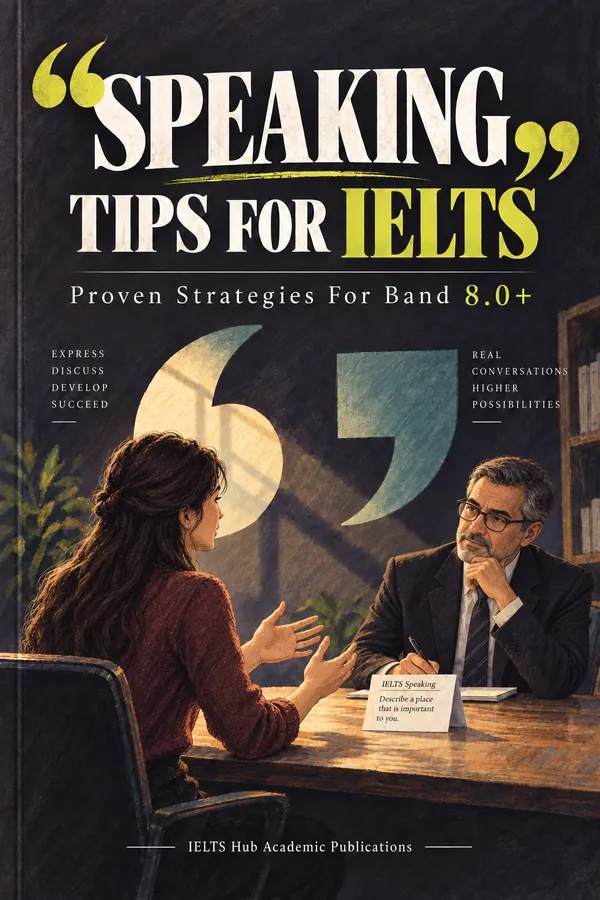
Speaking
Speaking Tips for IELTS
Proven Strategies for Band 8.0+
₹299$9.99CAD 13.99AUD 14.99£7.99NZD 16.99€8.99AED 39SGD 12.99
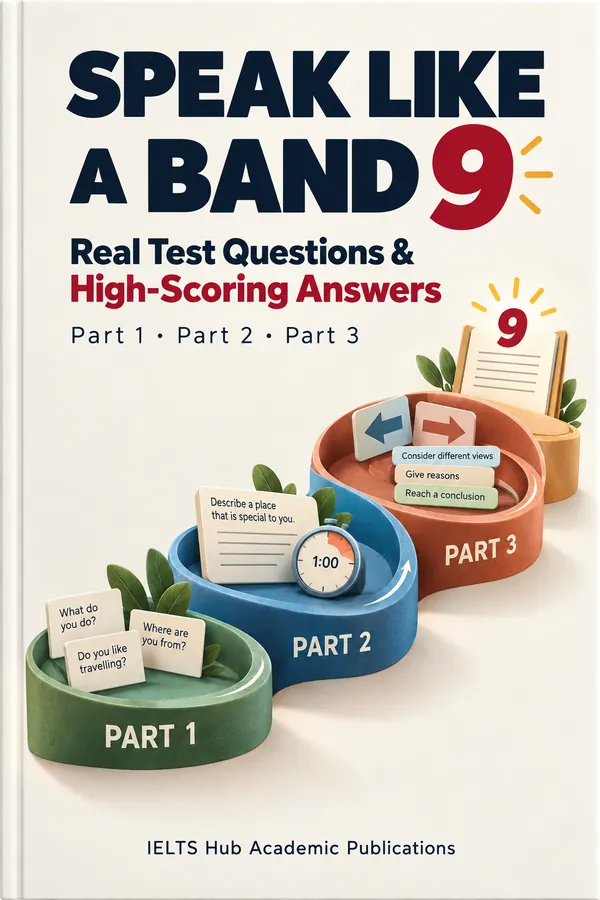
Speaking
Speak Like a Band 9
Real Test Questions & High-Scoring Answers
₹299$9.99CAD 13.99AUD 14.99£7.99NZD 16.99€8.99AED 39SGD 12.99
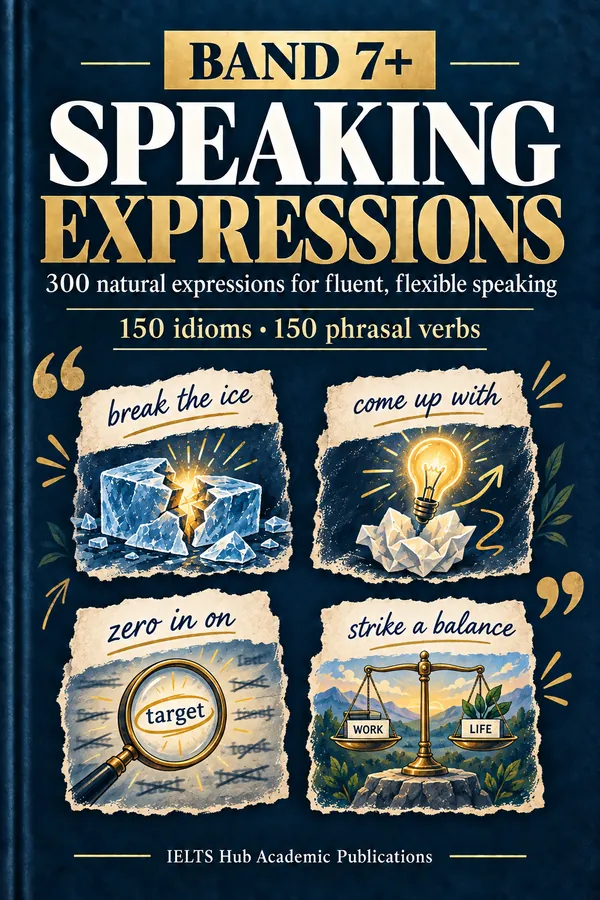
Speaking
Band 7+ Speaking Expressions
300 natural expressions for fluent, flexible speaking
₹199$6.99CAD 8.99AUD 9.99£4.99NZD 10.99€5.99AED 24SGD 8.99