Speaking test #725
Part 1 · Interview
4 to 5 minutes. The examiner asks about you and familiar topics.
Can you tell me your full name?
Where are you from?
Do you work or are you a student?
Where is your favourite place to sit?
My favourite place to sit would have to be in my garden. It's a small space but it's surrounded by greenery and it's the perfect spot for me to relax and unwind after a long day. The sound of birds chirping and the gentle breeze makes it feel like a sanctuary.
Do you always sit down for a long time?
No, I don't always sit down for a long time. I try to make sure I take regular breaks and move around to keep my body active. Sitting down for prolonged periods of time can be bad for your health, so I try to be mindful of that.
Do you feel sleepy when you are sitting down?
It depends on the situation. If I'm tired and it's late at night, then yes, I might feel sleepy when I'm sitting down. But if I'm in a stimulating environment or if I'm engaged in a conversation or activity, then I'm less likely to feel sleepy.
When you were a kid did you usually sit on the floor?
Yes, when I was a kid I used to sit on the floor quite often. I remember playing with my toys on the floor and sometimes I would even do my homework on the floor. It was a lot more comfortable for me than sitting on a chair.
What do you usually do on your birthday?
On my birthday, I usually spend time with my friends and family. We usually have a nice dinner or go out to a fun activity. I also like to treat myself to something special, like a massage or a new piece of clothing.
What did you do on your birthday when you were young?
When I was young, I used to have big birthday parties with all of my friends. We would play games and have lots of snacks. My parents would always try to make it a really special day for me.
Is it important for you to celebrate your birthday?
Yes, celebrating my birthday is definitely important to me. It's a chance for me to reflect on the past year and think about all of the things I've accomplished. It's also a great excuse to spend time with my loved ones and have some fun.
Which birthdays are considered important in your country?
In my country, all birthdays are considered important, but certain milestone birthdays are often given extra attention. For example, turning 16 or 18 is often seen as a rite of passage and is celebrated with special parties or ceremonies. Turning 30 or 40 is also often seen as a significant milestone, and people often throw big parties or go on special trips to mark the occasion.
You will have to talk about the topic for one to two minutes. You have one minute to think about what you are going to say. You can make some notes to help you if you wish.
Describe a personal goal which you have not been able to achieve
You should say:
- What the goal is
- Why it is important to you
- What challenges you faced in achieving it
- What steps you are taking to work towards achieving it
What the goal is
The personal goal that has eluded me despite my persistent efforts is mastering the art of playing the violin. Ever since I was a child, I have been deeply passionate about music, and learning to play the violin has been a dream close to my heart. The intricate melodies and emotional depth that can be conveyed through this instrument have always inspired me, making it a significant goal in my life.
Why it is important to you
This goal holds immense importance to me as it represents my commitment to self-improvement and artistic expression. The violin, with its rich history and ability to evoke a wide range of emotions, has always been a source of fascination for me. Achieving proficiency in playing the violin would not only fulfill a personal dream but also allow me to connect with others on a deeper level through music.
What challenges you faced in achieving it
Despite my dedication, I have encountered several challenges in pursuing this goal. The complex techniques and nuances of violin playing require consistent practice and expert guidance, which have been difficult to access in my current circumstances. Balancing work and other commitments has also posed a challenge, leaving me with limited time to dedicate to my violin practice.
What steps you are taking to work towards achieving it
To overcome these obstacles and work towards achieving my goal, I have started taking online violin lessons from experienced instructors. I have also set aside specific time slots in my daily routine for practice, ensuring that I make steady progress. Additionally, I am actively seeking opportunities to participate in music workshops and collaborate with fellow musicians to enhance my skills and deepen my understanding of the instrument. Despite the challenges, I remain determined to continue my journey towards mastering the violin and realizing this cherished goal.
- Words
- 282
- Sentences
- 13
- Words per sentence
- 21.7
- Speaking time
- about 2.2 min
Counted at 130 words a minute. The exam gives you one to two minutes.
Part 3 · Discussion
4 to 5 minutes. The examiner asks broader questions linked to the cue card topic.
How do personal goals vary from person to person, and how do society's expectations affect these goals?
Personal goals can vary significantly from one individual to another, primarily because they are shaped by a myriad of factors, including personal experiences, values, and aspirations. For instance, someone with a passion for the arts may set goals centered around creative expression, while another individual might prioritize financial stability or career advancement. Additionally, societal expectations can play a pivotal role in shaping these aspirations; for example, cultural norms may pressure individuals to pursue careers in fields deemed prestigious or lucrative. This can sometimes lead to a conflict between personal desires and societal demands, making it crucial for individuals to find a balance that aligns with their true selves. Ultimately, the interplay between personal ambitions and external influences creates a rich tapestry of goals that reflect both individuality and social context.
Some people think that having unrealistic goals can cause unhappiness. What do you think about this idea?
I absolutely agree that setting unrealistic goals can often lead to feelings of dissatisfaction. When people aim for targets that are beyond their reach, it can create a sense of frustration and disappointment, which ultimately detracts from their overall well-being. However, I think there’s a fine line; while ambitious goals can be motivating and inspire personal growth, they should also be attainable and realistic. Striking that balance is crucial because it allows individuals to celebrate their achievements, no matter how small, instead of constantly feeling like they’re falling short. In essence, it’s all about having a vision that challenges us, but without losing sight of what’s feasible.
How important do you believe it is for people to have personal goals, even if they don't reach them?
I believe having personal goals is incredibly significant for individuals, regardless of whether they ultimately achieve them. Setting goals provides a sense of direction and purpose in life, which can be immensely motivating. Even if someone doesn't reach their specific targets, the journey itself often fosters personal growth and resilience. It pushes individuals to step out of their comfort zones, learn new skills, and develop a greater understanding of themselves. Moreover, the experience gained along the way can be invaluable, allowing people to reflect on their aspirations and adapt their future objectives. Ultimately, it's about the lessons learned and the progress made, rather than just the end result.
Why do some people have a hard time reaching their personal goals even though they try?
There are several reasons why some individuals might find it challenging to achieve their personal goals, even when they put in significant effort. One major factor could be a lack of clear direction; without a well-defined plan, it's easy to become sidetracked or overwhelmed by obstacles. Additionally, external factors such as financial constraints or inadequate support systems can significantly hinder progress. Moreover, some people may struggle with self-doubt or a fear of failure, which can undermine their motivation and lead to procrastination. Ultimately, it’s a complex interplay of personal circumstances and mindset that can impede goal attainment, despite one's best intentions.
How could chasing personal goals change in the future, especially with shifting social norms?
The pursuit of personal goals is likely to undergo significant transformation as societal norms continue to evolve. With the rise of technology and an increasingly interconnected world, people may find it easier to set and achieve their aspirations through innovative platforms that facilitate learning and collaboration. Moreover, as we become more aware of social issues, the focus on sustainability and social responsibility could shape our goals, pushing individuals to align their ambitions with broader societal values. This shift might also foster a greater emphasis on holistic well-being, encouraging people to pursue goals that enhance both personal fulfillment and community welfare. Ultimately, I believe that the future will see a more collaborative and socially conscious approach to personal aspirations, enriching our lives and those around us.
What steps can people take to improve their chances of achieving their personal goals?
To increase their chances of reaching personal aspirations, individuals can adopt a multifaceted approach. First and foremost, setting clear and achievable goals is crucial; this helps create a roadmap that can guide their efforts. Additionally, cultivating a strong support network can make a significant difference, as surrounding oneself with like-minded individuals provides encouragement and accountability. Moreover, it's essential to remain adaptable and open to learning from failures, as they often present valuable lessons that can propel one forward. Engaging in continuous self-improvement through education or skill development also plays a vital role in ensuring that aspirations are not just dreams but attainable realities. Ultimately, with determination and the right strategies, anyone can turn their aspirations into achievements!
Go further with the books
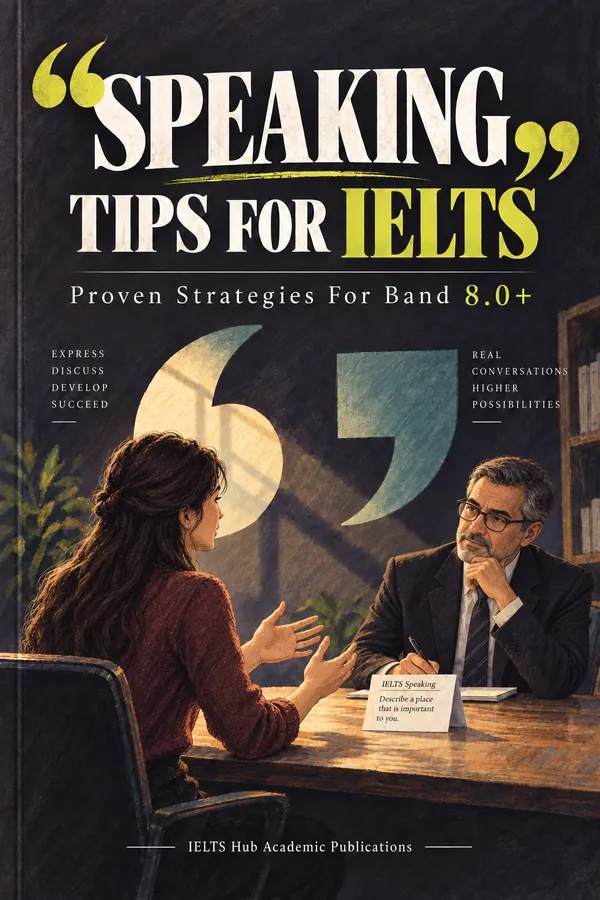
Speaking
Speaking Tips for IELTS
Proven Strategies for Band 8.0+
₹299$9.99CAD 13.99AUD 14.99£7.99NZD 16.99€8.99AED 39SGD 12.99
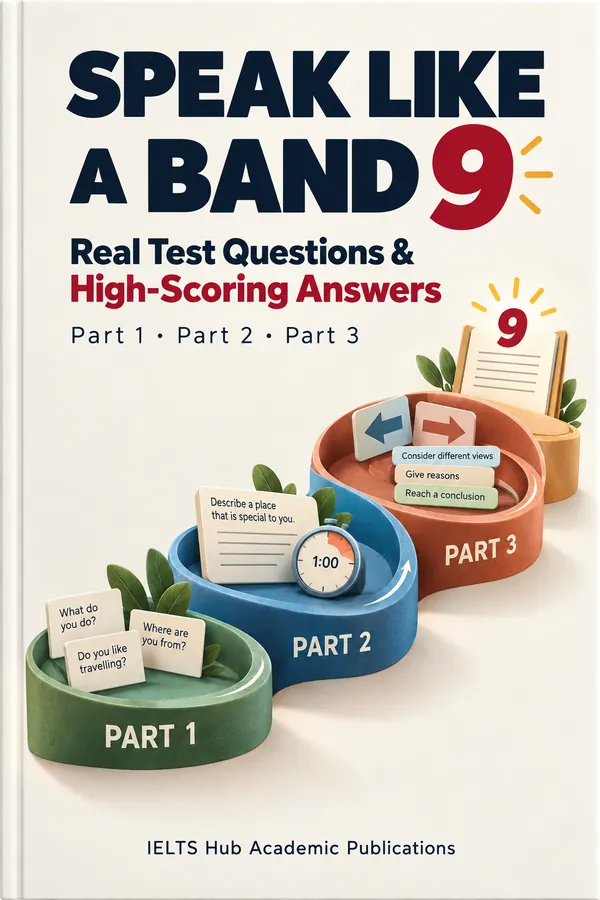
Speaking
Speak Like a Band 9
Real Test Questions & High-Scoring Answers
₹299$9.99CAD 13.99AUD 14.99£7.99NZD 16.99€8.99AED 39SGD 12.99

Speaking
Band 7+ Speaking Expressions
300 natural expressions for fluent, flexible speaking
₹199$6.99CAD 8.99AUD 9.99£4.99NZD 10.99€5.99AED 24SGD 8.99