Speaking test #726
Part 1 · Interview
4 to 5 minutes. The examiner asks about you and familiar topics.
Can you tell me your full name?
Where are you from?
Do you work or are you a student?
Do you like to see the sky?
Oh absolutely, I find the sky to be one of the most mesmerizing and awe-inspiring sights in nature. The vast expanse of blue, the different hues and shades it can take on, and the ever-changing clouds all make for a truly captivating view.
Which is the best place in your hometown (Bathind) to see the stars?
In my hometown of Bathind, I would have to say that the best place to see the stars is at the top of the local hill. The air is clear and the view is unobstructed, making for a perfect spot to stargaze on a clear night.
Do you prefer the sky in the morning or the sky at night?
That's a tough question, as both have their own unique beauty. The sky in the morning is often painted with vibrant hues of orange, pink, and purple as the sun rises, creating a truly breathtaking sight. On the other hand, the sky at night is a canvas of twinkling stars, constellations, and the moon, which is equally mesmerizing.
Can you see the moon and stars at night where you live?
Yes, I am fortunate enough to live in an area where light pollution is minimal, so I am able to see the moon and stars quite clearly at night. It's always a magical experience to look up at the night sky and see the glittering stars and the glowing moon.
How many hours do you usually sleep at night?
I usually aim to get around 8 hours of sleep at night. I find that this is the ideal amount of sleep for me to feel refreshed and energized the next day.
Do you go to bed at the same time every day?
I try to maintain a consistent sleep schedule by going to bed at the same time every day, usually around 10pm. I find that having a set bedtime helps me to relax and fall asleep more easily.
Do you ever have a nap during the day?
Occasionally, I will take a short nap during the day if I am feeling tired or if I have a particularly busy schedule. I find that a short nap can help to boost my energy and productivity for the rest of the day.
Why do older people sleep longer than young people?
There are a few reasons why older people may sleep longer than young people. As we age, our bodies produce less melatonin, which is a hormone that helps regulate our sleep-wake cycle. Additionally, older adults may have more health conditions or medications that can affect their sleep. Additionally, as we age, we may find it more difficult to fall asleep and stay asleep, leading to longer sleep times.
You will have to talk about the topic for one to two minutes. You have one minute to think about what you are going to say. You can make some notes to help you if you wish.
Describe the most polite person you have come across in your life
You should say:
- Who is this person
- How you met this person
- Why you consider this person polite
- How this person's politeness impacted you
Who is this person
The most polite person I have come across in my life is my maternal grandmother, Mrs. Sharma. I met her during my childhood when I used to spend my summer vacations at her place. She was always welcoming with a warm smile and gentle demeanor, making everyone feel comfortable in her presence.
How you met this person
I consider my grandmother to be extremely polite due to her unwavering kindness and respect towards everyone she interacts with. She has a way of speaking that is always gentle and considerate, never raising her voice or speaking harshly. Her polite nature extends beyond words to her actions, as she goes out of her way to help others and make them feel valued.
Why you consider this person polite
My grandmother's politeness has had a significant impact on me, shaping my own values and behaviors. Her example has taught me the importance of treating others with respect and kindness, even in difficult situations. I have learned from her that politeness is not just about saying please and thank you, but about showing genuine care and consideration for others.
How this person's politeness impacted you
Overall, my grandmother's exceptional politeness has left a lasting impression on me, inspiring me to strive to be a more compassionate and respectful individual in my own interactions with others. She embodies the true essence of politeness, and I am grateful to have her as a role model in my life.
- Words
- 225
- Sentences
- 12
- Words per sentence
- 18.8
- Speaking time
- about 1.7 min
Counted at 130 words a minute. The exam gives you one to two minutes.
Part 3 · Discussion
4 to 5 minutes. The examiner asks broader questions linked to the cue card topic.
How do different cultures show politeness, and how does this affect how people communicate with each other?
The level of politeness in different cultures can vary significantly, and this can lead to both fascinating and challenging interactions. For instance, in some Asian cultures, a deep sense of respect and hierarchy shapes communication, often resulting in indirect language and a strong emphasis on non-verbal cues. Conversely, in many Western cultures, people tend to value directness and transparency, which can sometimes come off as brusque to those from more formal backgrounds. This cultural divergence can create misunderstandings; for example, someone who is used to a more subdued way of speaking might perceive an assertive individual as rude, while the latter may just be expressing themselves openly. Overall, recognizing and adapting to these differences is crucial for fostering positive relationships and effective communication across cultures.
How much do you believe being polite matters more than being honest when interacting with others?
That's a fascinating question! In my opinion, while both politeness and honesty are vital in social interactions, I would argue that being polite often takes precedence. When we approach conversations with tact and consideration, we create a more harmonious atmosphere, which can foster better relationships. However, honesty is equally essential, as it builds trust and transparency. Ultimately, striking the right balance is key; being polite can help convey honesty without causing unnecessary discomfort. So, in social settings, I believe that maintaining a respectful demeanor while being truthful is the way to go!
How important do you think politeness is for keeping good relationships between people?
Politeness plays a crucial role in maintaining healthy relationships among people. It acts as a social lubricant, helping to smooth over misunderstandings and conflicts that might arise. When individuals show consideration and respect through polite language and gestures, it fosters an atmosphere of trust and openness. Moreover, politeness can create a sense of belonging and acceptance, which is essential for nurturing bonds in both personal and professional settings. So, I firmly believe that practicing politeness not only enhances communication but also strengthens connections, making our interactions more meaningful.
Why do you think some people are naturally nicer than others?
I believe that the degree of politeness in individuals often stems from a combination of upbringing and personal values. Those who grow up in environments where respect and consideration for others are emphasized are likely to internalize these behaviors, making them naturally more polite. Additionally, cultural influences play a significant role; in some cultures, politeness is deeply embedded in social interactions, encouraging individuals to be more courteous. Lastly, personal experiences can shape one's attitude towards politeness; someone who has benefited from the kindness of others may be more inclined to pay it forward. Overall, it’s a fascinating interplay of social, cultural, and personal factors that determines how polite someone is!
How could the idea of politeness change in the future as social norms shift?
That's a fascinating question! As society continues to evolve, I believe the concept of politeness will also undergo significant transformations. For instance, with the rise of digital communication, traditional markers of politeness, such as formal greetings or expressions of gratitude, may become less common. Instead, we might see a shift towards more casual interactions, where authenticity and directness are valued over strict etiquette. Additionally, as we become more aware of diverse cultures and backgrounds, the understanding of what constitutes polite behavior could broaden, leading to a more inclusive approach. Overall, the future of politeness might reflect our changing values, emphasizing respect and understanding over rigid social norms. It’s an exciting prospect to think about how we might navigate these shifts in interpersonal communication!
What steps can be taken to promote more kindness in public conversations?
To foster greater politeness in public interactions, we could start by implementing educational programs that emphasize the importance of civility and respect. Schools and community centers could host workshops that focus on effective communication skills, which would not only promote politeness but also enhance social harmony. Additionally, public campaigns could be launched to raise awareness about the impact of our words and actions on others, encouraging a more considerate atmosphere. Lastly, I believe that leading by example is crucial; when influential figures and everyday people model polite behavior, it can create a ripple effect that inspires others to follow suit. Ultimately, cultivating a culture of politeness requires a collective effort, but the benefits—like improved community relationships—are well worth it.
Go further with the books
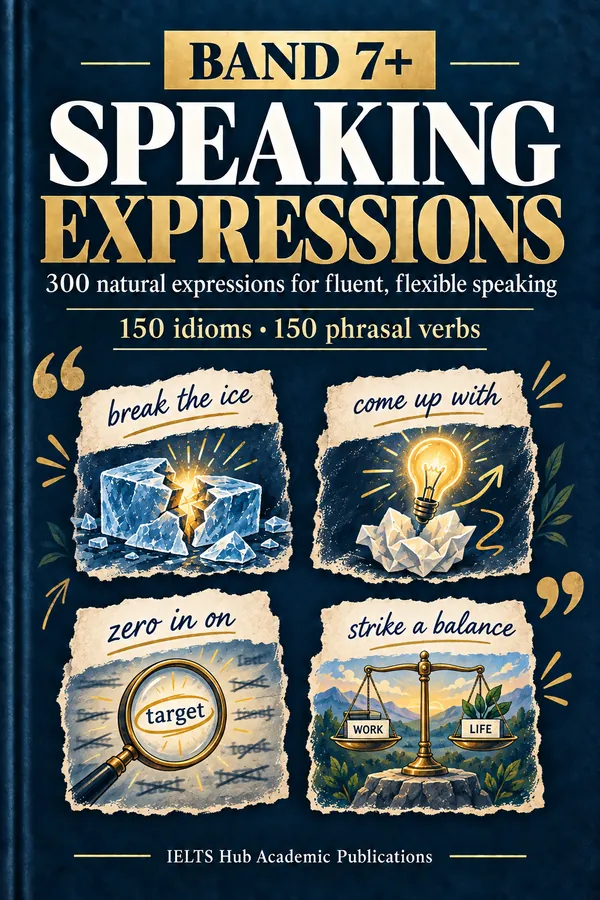
Speaking
Band 7+ Speaking Expressions
300 natural expressions for fluent, flexible speaking
₹199$6.99CAD 8.99AUD 9.99£4.99NZD 10.99€5.99AED 24SGD 8.99
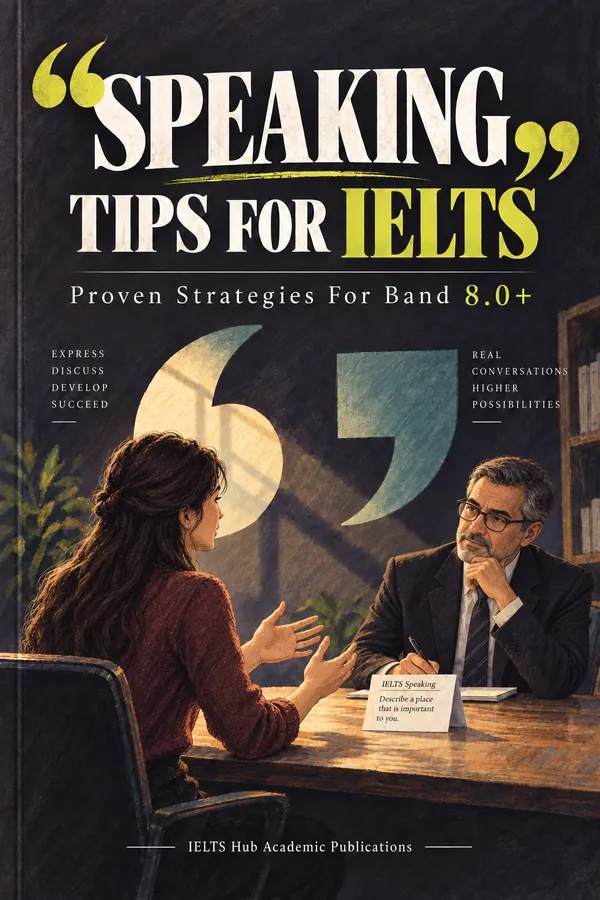
Speaking
Speaking Tips for IELTS
Proven Strategies for Band 8.0+
₹299$9.99CAD 13.99AUD 14.99£7.99NZD 16.99€8.99AED 39SGD 12.99
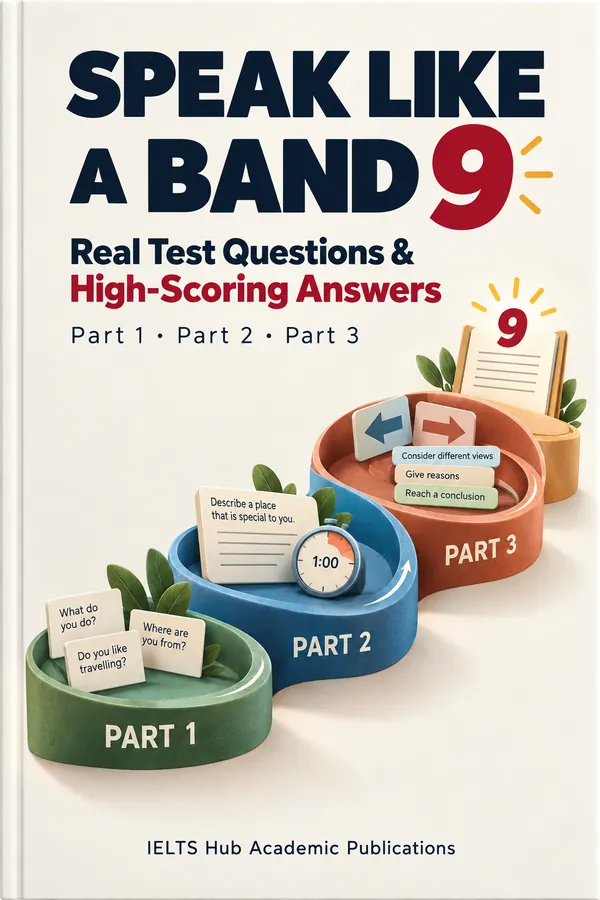
Speaking
Speak Like a Band 9
Real Test Questions & High-Scoring Answers
₹299$9.99CAD 13.99AUD 14.99£7.99NZD 16.99€8.99AED 39SGD 12.99