Speaking test #736
Part 1 · Interview
4 to 5 minutes. The examiner asks about you and familiar topics.
Can you tell me your full name?
Where are you from?
Do you work or are you a student?
Do you prefer a long break or several short breaks?
Personally, I tend to prefer several short breaks throughout the day. I find that this allows me to recharge and refocus more effectively, rather than feeling sluggish after a long break. Additionally, I find that taking several short breaks allows me to be more productive overall.
What do you usually do during a break?
During my breaks, I like to engage in a variety of activities. Sometimes, I'll take a short walk outside to get some fresh air and clear my mind. Other times, I'll read a book or listen to music as a way to relax and unwind. I also enjoy chatting with colleagues or friends during breaks, as it allows me to socialize and connect with others.
How often do you take a break?
I try to take a break every couple of hours, depending on the task or project that I am working on. I find that this helps me to maintain a good balance between productivity and rest, and allows me to remain focused and energized throughout the day.
Why do some people not take breaks?
There can be a variety of reasons why some people choose not to take breaks. Some may feel that taking breaks would disrupt their workflow or productivity, while others may feel pressure from their employer or colleagues to work continuously. Additionally, some people may simply not be aware of the benefits of taking breaks, or may not know how to effectively manage their time to include breaks in their schedule.
Do you often read books? When?
Yes, I'm an avid reader and I try to make time for reading every day, whether it's before bed or during my lunch break at work.
Are your reading habits now different than before?
Yes, they definitely have changed over the years. When I was younger, I used to only read fiction, but now I enjoy a wider range of genres, including non-fiction, biographies, and even self-help books.
Have you ever read a novel that has been adapted into a film?
Yes, many times actually. One of my favorite examples is the Harry Potter series - I read all of the books before seeing any of the movies, and it was such a different experience watching the films knowing the plot and characters so well.
Which do you prefer, reading books or watching movies?
It's tough to choose just one, because I really enjoy both activities for different reasons. Reading allows me to escape into different worlds and really immerse myself in the story, whereas watching movies is a great way to relax and unwind after a long day. Ultimately, I think it just depends on my mood and how much time I have available.
You will have to talk about the topic for one to two minutes. You have one minute to think about what you are going to say. You can make some notes to help you if you wish.
Describe a popular public event that you went to
You should say:
- What event it was
- When and where it took place
- Who you went with
- Your overall experience and feelings about the event
One of the most popular public events that I had the pleasure of attending was the Diwali festival in my hometown of Mumbai. Diwali, also known as the Festival of Lights, is a major Hindu festival celebrated with much enthusiasm and grandeur across India. The event took place in late October last year, spanning over five days with the main festivities occurring on the third day. The entire city was adorned with vibrant decorations, twinkling lights, and colorful rangoli designs in preparation for the celebrations.
I went to the Diwali festival with my family, including my parents, siblings, and grandparents. It has been a tradition in our family to come together during Diwali to celebrate the occasion with love and joy. We visited various temples, exchanged gifts and sweets with our neighbors, and lit beautiful oil lamps called diyas in our home. The atmosphere was filled with happiness, laughter, and the sweet aroma of traditional Indian sweets being prepared in every household.
My overall experience at the Diwali festival was truly unforgettable. The sight of the night sky illuminated by countless fireworks and firecrackers was mesmerizing. The sense of unity and togetherness among people from different backgrounds was heartwarming. As I watched the spectacular display of lights and colors, I couldn't help but feel a deep sense of pride in my culture and heritage. The festival left me with a feeling of gratitude and appreciation for the traditions that bring people together in celebration and harmony.
- Words
- 246
- Sentences
- 13
- Words per sentence
- 18.9
- Speaking time
- about 1.9 min
Counted at 130 words a minute. The exam gives you one to two minutes.
Part 3 · Discussion
4 to 5 minutes. The examiner asks broader questions linked to the cue card topic.
How do festivals and public events have different cultural meanings in different areas?
Public events like festivals are truly fascinating in how they reflect regional identities and cultural heritage. For instance, in India, festivals such as Diwali and Holi are not merely celebrations; they symbolize unity and renewal within diverse communities. In contrast, festivals in Europe, like Oktoberfest in Germany, emphasize local traditions and culinary delights that promote regional pride. Moreover, festivals often serve as a platform for preserving historical narratives and passing down traditions to younger generations. In many African cultures, for instance, traditional dances during festivals are vital in maintaining cultural continuity. This rich tapestry of meanings behind festivals showcases how they can differ significantly across regions, each adding its unique flair and significance to the global cultural landscape.
How much do you think going to public events boosts community spirit?
Attending public events can significantly enhance community spirit, and I believe this impact is profound. When people gather for festivals, parades, or local markets, it fosters a sense of togetherness and belonging. These events not only provide an opportunity for social interaction but also allow individuals to celebrate their shared culture and values, which can strengthen community ties. Moreover, when communities come together to support local initiatives or charities during these events, it cultivates a sense of collective responsibility and pride. In essence, such experiences can transform strangers into friends and create lasting memories that bind people together.
How do public events help people connect with each other?
Public events play a vital role in fostering social connections among individuals, acting as a melting pot for diverse communities to come together. These gatherings—be it music festivals, cultural fairs, or sporting events—create an atmosphere of shared experiences that can significantly enhance interpersonal relationships. When people participate in such events, they often find common ground, sparking conversations and building friendships that might not have occurred otherwise. Moreover, public events can help cultivate a sense of belonging, as individuals feel part of something larger than themselves, which is particularly important in our increasingly fragmented society. Ultimately, these occasions not only entertain but also serve as a catalyst for building a more connected and cohesive community.
Why do you think some people are more likely to go to public events than others?
That's an interesting question! I believe the inclination to attend public events often stems from a combination of personality traits and social factors. For instance, extroverted individuals typically thrive in social settings and seek out opportunities to connect with others, while introverts might prefer more intimate gatherings. Additionally, some people have a strong desire to engage with their community, which can drive them to attend events that promote a sense of belonging. Furthermore, factors like cultural background and personal interests can also play a significant role—some cultures place a high value on communal activities, making it more likely for individuals to participate. Overall, it’s a fascinating interplay of personality and societal influences that shapes our preferences for public events!
How could public events change in the next few years because of new technology?
The nature of public events is likely to undergo a profound transformation due to technological advancements. For instance, we’re already seeing the rise of virtual and hybrid events, which allow participation from anywhere in the world. This shift can significantly broaden accessibility, enabling people who might not have been able to attend due to geographical or financial constraints to join in. Additionally, the use of augmented and virtual reality could create more immersive experiences, making events not just something to attend but to truly experience on a whole new level. Overall, I believe these changes will not only enhance engagement but also redefine what it means to connect in a public space.
What steps can organizers take to make public events more welcoming for different audiences?
To ensure that public events are more inclusive for diverse audiences, organizers can take several proactive measures. First and foremost, they should conduct thorough community outreach to understand the specific needs and preferences of different groups. This could involve engaging with local organizations that represent various demographics, ensuring that everyone feels represented and valued. Additionally, providing accessible facilities such as ramps, sign language interpreters, and materials in multiple languages can significantly enhance inclusivity. Lastly, promoting cultural sensitivity through training for staff and volunteers can create a welcoming atmosphere, making it easier for all attendees to enjoy and participate fully in the event.
Go further with the books
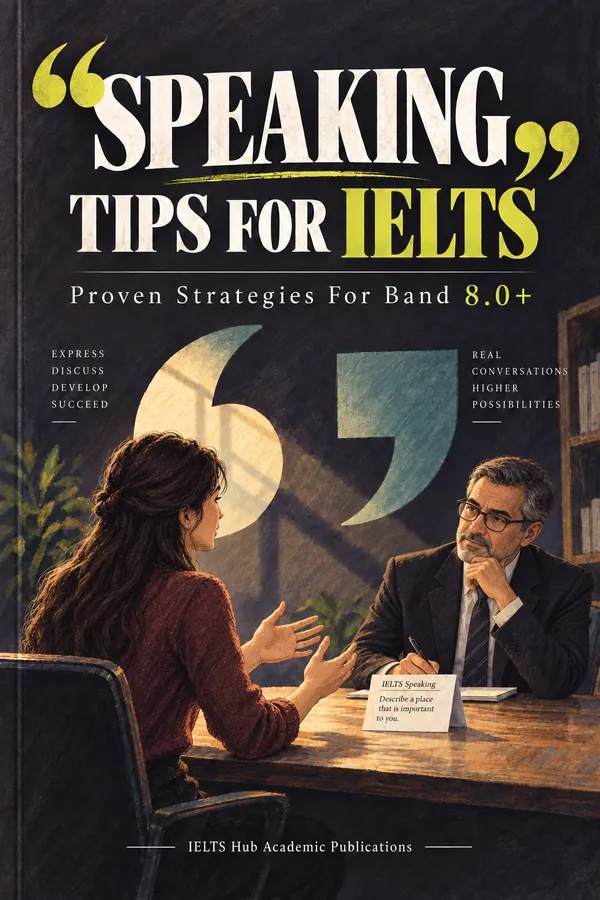
Speaking
Speaking Tips for IELTS
Proven Strategies for Band 8.0+
₹299$9.99CAD 13.99AUD 14.99£7.99NZD 16.99€8.99AED 39SGD 12.99
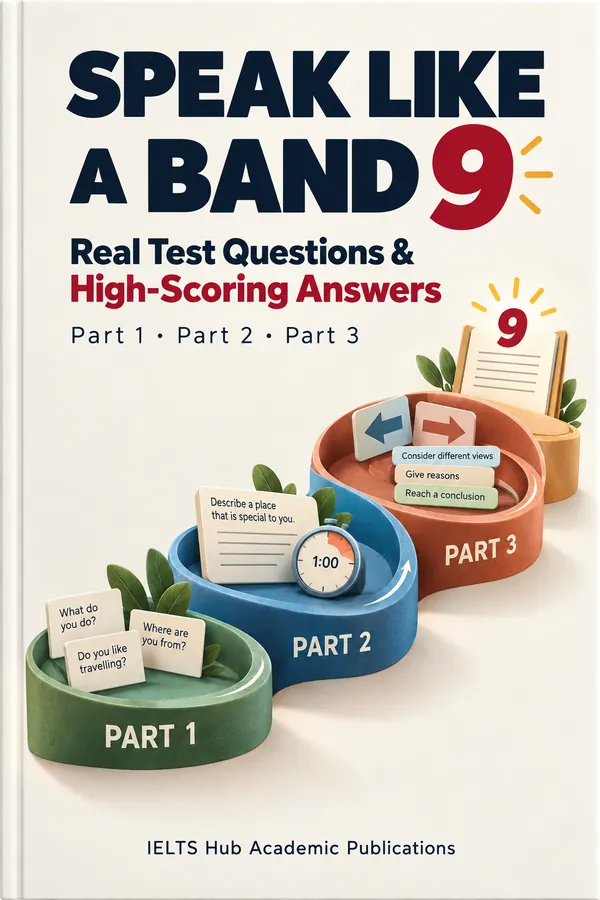
Speaking
Speak Like a Band 9
Real Test Questions & High-Scoring Answers
₹299$9.99CAD 13.99AUD 14.99£7.99NZD 16.99€8.99AED 39SGD 12.99
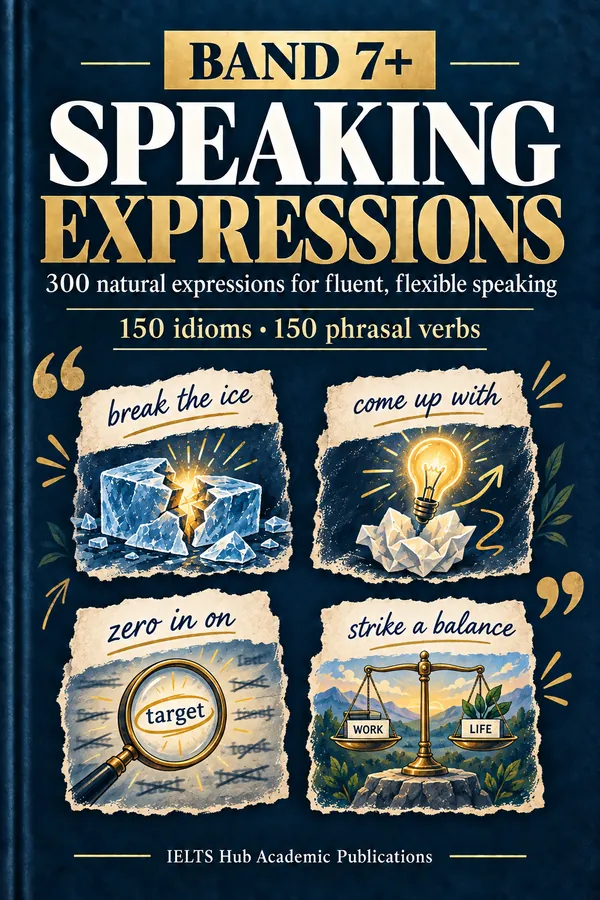
Speaking
Band 7+ Speaking Expressions
300 natural expressions for fluent, flexible speaking
₹199$6.99CAD 8.99AUD 9.99£4.99NZD 10.99€5.99AED 24SGD 8.99