Speaking test #739
Part 1 · Interview
4 to 5 minutes. The examiner asks about you and familiar topics.
Can you tell me your full name?
Where are you from?
Do you work or are you a student?
Do you like to spend time with teenagers?
I enjoy spending time with teenagers, as they often have a unique perspective on life and are full of energy and curiosity. I find that engaging in conversations and activities with them can be quite invigorating and enlightening.
Do you know anything about the kind of fashion that teenagers like?
Yes, I am quite familiar with the current fashion trends among teenagers. I notice that many teens prefer a more casual, streetwear style, often incorporating bold colors and patterns into their outfits. They also tend to be quite conscious of sustainability and ethical fashion choices.
What are the best things about being a teenager?
I believe that the best thing about being a teenager is the sense of freedom and independence that comes with it. This is a time when individuals are starting to form their own identities and make their own decisions, and it can be quite exciting to explore different interests and passions. Additionally, teenagers have a unique ability to view the world with fresh eyes and see things in a new light.
How do teenagers in your country (India) entertain themselves?
Teenagers in India have a wide variety of ways to entertain themselves. Many enjoy hanging out with friends and participating in sports or other outdoor activities. There is also a strong interest in music and dance, and it is common to see teens participating in music or dance classes or performing in local shows. Additionally, with the rise of technology and social media, many teenagers in India spend time online and on their smartphones, connecting with friends and exploring new content.
How often do you make telephone calls?
I make telephone calls quite frequently, probably on a daily basis. I would say that I make around 3-4 calls a day on average.
Who do you spend the most time talking to on the telephone?
I spend the most time talking to my family and close friends on the telephone. I try to stay in touch with them as much as possible and make sure to catch up with them regularly.
When do you think you’ll next make a telephone call?
I think I'll next make a telephone call later today, as I usually call my parents in the evening to check in with them and see how their day went.
Do you sometimes prefer to send a text message instead of telephoning?
Yes, I do prefer to send text messages instead of telephoning in certain situations. For example, if I need to quickly convey a short message or if I'm in a noisy or crowded place, I find that sending a text message is more convenient and efficient. Additionally, it allows me to communicate with people in different time zones, as they can respond to the message at their convenience.
You will have to talk about the topic for one to two minutes. You have one minute to think about what you are going to say. You can make some notes to help you if you wish.
Describe a poem/literary work that you really like
You should say:
- Title and author of the poem/literary work
- Summary of the poem/literary work
- What aspects of the poem/literary work you find appealing
- How the poem/literary work has influenced you
Title and author of the poem/literary work
The poem that holds a special place in my heart is "Where the Mind is Without Fear" by Rabindranath Tagore, a renowned Indian poet and Nobel laureate. This masterpiece encapsulates Tagore's vision of a utopian society free from the shackles of ignorance, narrow-mindedness, and fear. The poem calls for a world where individuals can strive for enlightenment and progress without any inhibitions or constraints.
Summary of the poem/literary work
"Where the Mind is Without Fear" paints a vivid picture of an ideal society where knowledge is revered, truth prevails, and individuals are encouraged to question the norms and strive for greatness. It emphasizes the importance of education, critical thinking, and the pursuit of truth in shaping a progressive society. The poem's eloquent language and profound message resonate deeply with me, inspiring me to value freedom of thought and embrace intellectual curiosity.
What aspects of the poem/literary work you find appealing
What I find most appealing about this poem is its timeless relevance and universal message. Despite being penned over a century ago, the themes of freedom, enlightenment, and progress explored in "Where the Mind is Without Fear" remain pertinent in today's world. Tagore's eloquent verses serve as a constant reminder of the enduring power of ideas and the importance of striving towards a more enlightened society.
How the poem/literary work has influenced you
The impact of "Where the Mind is Without Fear" on my life has been profound. It has instilled in me a deep appreciation for the pursuit of knowledge, the value of critical thinking, and the courage to question societal norms. This poem has inspired me to approach life with an open mind, to seek truth and wisdom, and to strive for a world where fear and ignorance have no place. In essence, Tagore's timeless masterpiece continues to guide me on my journey towards personal growth and societal progress.
- Words
- 290
- Sentences
- 13
- Words per sentence
- 22.3
- Speaking time
- about 2.2 min
Counted at 130 words a minute. The exam gives you one to two minutes.
Part 3 · Discussion
4 to 5 minutes. The examiner asks broader questions linked to the cue card topic.
How do you think poetry is different from other types of writing like novels or short stories?
Poetry is a unique form of literature that stands apart from novels and short stories in several compelling ways. Firstly, the brevity of poetry often allows for a more concentrated expression of emotions and ideas, encapsulating profound thoughts in just a few lines. Unlike longer narratives, which can provide extensive character development and plot, poetry tends to rely on imagery and metaphor to evoke feelings and provoke thought. Additionally, the use of rhythm and sound in poetry, through techniques such as alliteration and assonance, creates a musical quality that can enhance the reader's experience. Overall, while all forms of literature have their own merits, poetry's ability to distill complex emotions into a few powerful words makes it a truly distinctive art form.
Some people believe poetry has a stronger effect than prose. What do you think about this idea?
I absolutely see where that perspective comes from! Poetry often distills emotions and experiences into a concentrated form, allowing readers to engage with it on a deeper level. The use of imagery and metaphor in poetry can evoke profound feelings that sometimes prose struggles to achieve. Additionally, the rhythm and cadence of well-crafted verses can create a unique emotional resonance that lingers in the mind long after reading. That said, prose has its own strengths, particularly in storytelling and character development, but I think poetry has a special ability to tap into the human experience in an almost visceral way.
How important do you think poetry is in forming cultural identity and expression?
Poetry is incredibly significant in shaping cultural identity and expression! It serves as a powerful medium through which individuals can articulate their thoughts, feelings, and experiences, often reflecting the nuances of their cultural backgrounds. Through lyrical imagery and metaphorical language, poets can capture the essence of their society, preserving traditions and values for future generations. Moreover, poetry has the unique ability to transcend barriers, allowing people from diverse backgrounds to connect and empathize with one another. In that sense, it acts as a bridge, fostering a sense of community and shared understanding, which is absolutely vital in today’s increasingly globalized world.
Why do you believe poetry connects with people emotionally more than other types of writing?
Poetry has this incredible ability to evoke deep emotions in a way that many other literary forms struggle to achieve. One reason for this is its concise and impactful language; poets often distill complex feelings into just a few lines, which can create a powerful connection with readers. The rhythm and sound of words in poetry can also enhance this emotional experience, making it almost musical. Additionally, poetry often explores universal themes like love, loss, and identity, allowing people from all walks of life to see their own experiences reflected in the verses. This sense of shared humanity is what makes poetry so profoundly relatable and moving for many.
How could the role of poetry in society change in the future with new ways of communicating?
That's a fascinating question! As we move into an increasingly digital age, the role of poetry might evolve in some intriguing ways. For one, with the rise of social media and instant messaging, poetry could become more accessible and democratized. Short, impactful verses could easily be shared and spread like wildfire online, allowing for a diverse range of voices to emerge. Moreover, new forms of communication, such as video platforms and podcasts, might allow poets to engage with their audiences in innovative ways, combining visual elements with their words to create a more immersive experience. This could lead to a resurgence of poetry, as it finds its place alongside contemporary art forms, making it more relevant to younger generations. Overall, while the mediums may shift, the essence of poetry as a tool for expression and connection will undoubtedly endure.
What can we do to help more people enjoy and get involved with poetry?
To encourage more people to appreciate and engage with poetry, I believe we could start by integrating it into educational curriculums at an early age. When children are exposed to poetry through fun and interactive activities, they’re more likely to develop a genuine interest in it. Additionally, hosting community events such as poetry slams and workshops can create a vibrant atmosphere that celebrates creativity and allows individuals to share their voices. Social media platforms also offer a fantastic opportunity to showcase poetry in innovative ways, like short videos or interactive posts, thus reaching a wider audience. Ultimately, making poetry accessible and relatable can significantly enhance its appeal in today’s fast-paced world.
Go further with the books
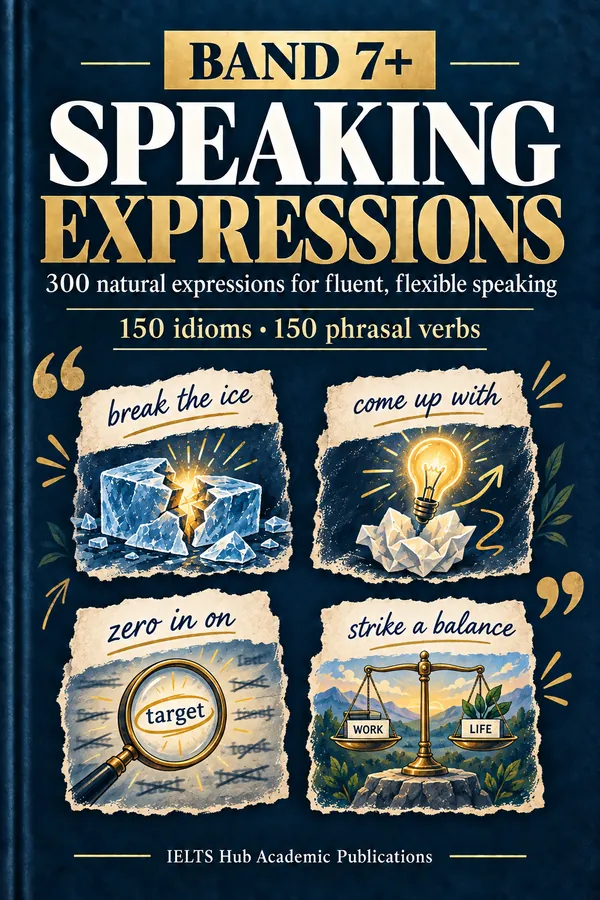
Speaking
Band 7+ Speaking Expressions
300 natural expressions for fluent, flexible speaking
₹199$6.99CAD 8.99AUD 9.99£4.99NZD 10.99€5.99AED 24SGD 8.99
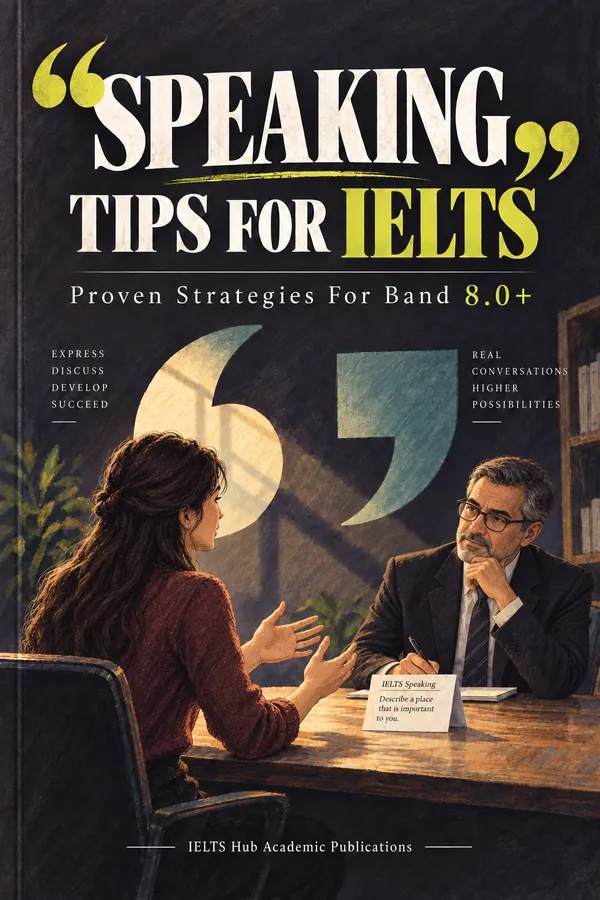
Speaking
Speaking Tips for IELTS
Proven Strategies for Band 8.0+
₹299$9.99CAD 13.99AUD 14.99£7.99NZD 16.99€8.99AED 39SGD 12.99
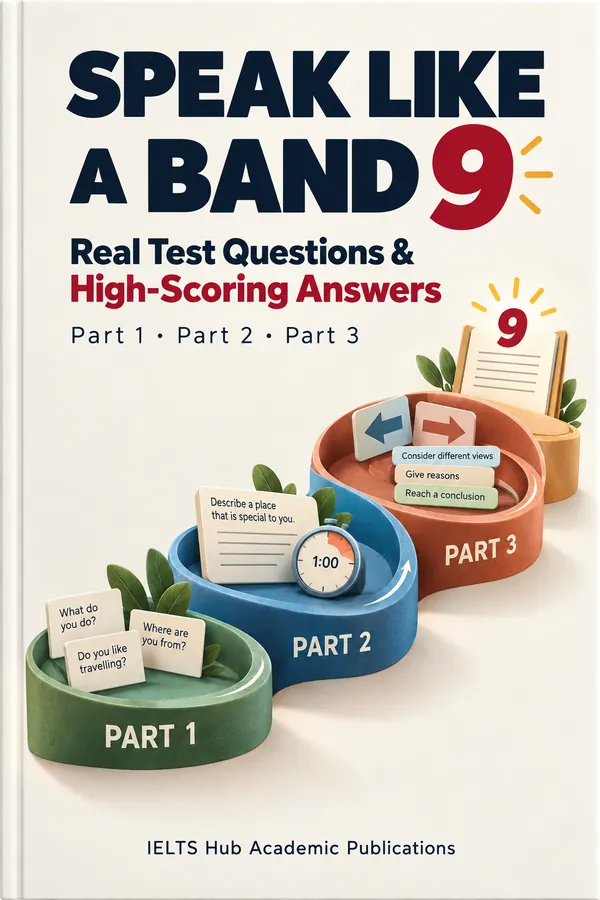
Speaking
Speak Like a Band 9
Real Test Questions & High-Scoring Answers
₹299$9.99CAD 13.99AUD 14.99£7.99NZD 16.99€8.99AED 39SGD 12.99