Speaking test #742
Part 1 · Interview
4 to 5 minutes. The examiner asks about you and familiar topics.
Can you tell me your full name?
Where are you from?
Do you work or are you a student?
Do you often borrow books?
Well, I'm a bit of a bookworm, so I borrow books pretty frequently. Whether it's from the library or from a friend, I'm always on the lookout for something new to read.
Is there anything that cannot be lent?
Hmm, that's an interesting question. I suppose there are some things that can't really be lent, like one-of-a-kind items or sentimental possessions. But in general, I think most things can be borrowed if the person is willing to part with it for a while.
Have you borrowed money from a friend?
Yes, I have borrowed money from friends before. It's not something I do all the time, but sometimes you just need a little extra help to get through a tough situation. It's always nice to have friends who are willing to lend a hand.
What would you do if someone did not return what they borrowed from you?
Well, it would depend on the item and the circumstances. If it was something small and not particularly valuable, I might just let it slide. But if it was something important or sentimental, I would probably have a conversation with the person and try to work out a solution. Ultimately, I think it's important to be understanding and try to find a way to resolve the issue without damaging the relationship.
How do you plan your time in a day?
I usually like to start my day by making a to-do list. I find that it helps me prioritize my tasks and gives me a sense of direction for the day. I also like to schedule specific blocks of time for certain activities, such as work, exercise, and personal projects. I find that this helps me stay on track and be more productive.
Is it easy to manage time for you?
I would say that managing my time is relatively easy for me, as long as I am organized and have a clear idea of what needs to be done. However, there are certainly times when unexpected events or distractions can throw off my schedule. In those cases, I try to stay flexible and adjust my plans as needed.
When do you find it hard to allocate time?
I find it hardest to allocate time when I am feeling overwhelmed or stressed. When I have a lot of competing demands on my time, it can be difficult to prioritize and make decisions about how to use my time most effectively. Additionally, if I am feeling tired or unmotivated, it can be challenging to focus and be productive.
Do you like being busy?
I would say that I am a bit of a workaholic, so I generally enjoy being busy. I find that when I have a lot on my plate, I am more motivated and energized. However, I also realize the importance of taking breaks and making time for leisure activities. I try to strike a balance between being productive and taking care of myself.
You will have to talk about the topic for one to two minutes. You have one minute to think about what you are going to say. You can make some notes to help you if you wish.
Describe an enjoyable place you visited in the countryside
You should say:
- What was the place
- Why did you find it enjoyable
- Who were you with
- What activities did you do there
What was the place
I would like to talk about my visit to the serene village of Coorg in southern India. This picturesque place is renowned for its lush coffee plantations, misty hills, and tranquil atmosphere. The moment I set foot in Coorg, I was captivated by the natural beauty that surrounded me, making it an enjoyable experience right from the start.
Why did you find it enjoyable
I found Coorg enjoyable mainly due to its peaceful ambiance and the opportunity it provided to escape the hustle and bustle of city life. The fresh air, scenic views, and the sounds of nature were incredibly refreshing. The slow-paced lifestyle of the village allowed me to relax and rejuvenate, away from the stress of everyday life. Moreover, the warm hospitality of the locals added to the charm of the place, making me feel welcomed and at home.
Who were you with
I was fortunate to visit Coorg with my close friends, who share my love for nature and adventure. Being in the company of good friends enhanced my experience as we explored the village together, sharing laughs and creating unforgettable memories. Whether it was trekking through the verdant hills, sipping freshly brewed coffee, or simply enjoying the tranquility of the surroundings, every moment spent with my friends in Coorg was special.
What activities did you do there
During my visit to Coorg, we engaged in various activities that added to the enjoyment of the trip. We went on nature walks to discover hidden waterfalls, indulged in bird watching, and even tried our hand at traditional Coorgi cuisine. One of the highlights was camping under the starlit sky, surrounded by the sounds of the forest. These activities not only provided us with a glimpse of rural life but also allowed us to appreciate the beauty of nature in its purest form.
- Words
- 288
- Sentences
- 14
- Words per sentence
- 20.6
- Speaking time
- about 2.2 min
Counted at 130 words a minute. The exam gives you one to two minutes.
Part 3 · Discussion
4 to 5 minutes. The examiner asks broader questions linked to the cue card topic.
How do rural areas differ from cities when it comes to fun things for visitors to do?
Rural areas and urban settings offer distinctly different experiences when it comes to leisure activities for visitors. In urban environments, you often find a vibrant mix of cultural attractions, such as museums, theaters, and bustling nightlife, which cater to a diverse audience. In contrast, rural areas tend to focus on natural beauty and outdoor pursuits; activities like hiking, cycling, or simply enjoying the tranquility of nature are typically more accessible. Moreover, the pace of life in rural areas is generally more relaxed, allowing visitors to unwind and connect with their surroundings in a way that’s often hard to achieve in the city. This difference in atmosphere can significantly shape the leisure experiences available, making rural areas ideal for those seeking a retreat from the hustle and bustle of urban life. Ultimately, each setting offers unique opportunities, catering to various preferences and interests.
How much do you believe the peace of the countryside is nicer than the busy city life?
I believe that the tranquility of the countryside offers a unique charm that can be incredibly appealing, especially for those feeling overwhelmed by the hustle and bustle of city life. The serene landscapes, fresh air, and slower pace can provide a much-needed escape from the constant noise and stress of urban environments. However, it really depends on individual preferences; some people thrive on the energy and vibrancy of city living, while others find solace in nature. Personally, I find that the countryside allows for a deeper connection with oneself and the environment, which can be quite rejuvenating. Ultimately, the choice between the two lifestyles may reflect one’s values and what they seek in their day-to-day life.
How important is it for people to have access to natural areas for their well-being and mental health?
Access to natural landscapes is incredibly significant for people's overall well-being and mental health. Being in nature has been shown to reduce stress levels and enhance mood, which is crucial in our fast-paced, urban lifestyles. When individuals immerse themselves in beautiful environments, they often experience a sense of peace and tranquility that can be hard to find elsewhere. Moreover, exposure to green spaces encourages physical activity, which is another essential component of maintaining good mental health. In essence, the connection between nature and well-being is profound, and ensuring that communities have access to these tranquil retreats can lead to happier, healthier lives.
Why do you think a lot of people choose to spend their vacations in peaceful, countryside areas instead of crowded tourist places?
I believe many individuals gravitate towards serene rural environments for their vacations because they offer a much-needed escape from the hustle and bustle of daily life. In today's fast-paced world, where everything seems to be moving at lightning speed, people crave tranquility and a chance to reconnect with nature. Rural areas often provide a refreshing change of scenery, allowing visitors to unwind and indulge in peaceful solitude or engage in outdoor activities like hiking or cycling. Moreover, these environments often foster a sense of community and authenticity that busy tourist spots can lack, giving travelers a more enriching and immersive experience. Ultimately, it's about finding that perfect balance between relaxation and adventure, which is often more easily achieved in the countryside.
What changes could happen to the popularity of countryside tourism in the next few years?
I believe we’re going to witness a significant surge in the popularity of countryside tourism in the coming years. As urban areas become increasingly congested and fast-paced, people are yearning for a more tranquil escape to nature. The rise of remote work has also made it easier for individuals to explore rural areas while maintaining their professional commitments. Additionally, there’s a growing awareness about the importance of sustainability, and many tourists are seeking out eco-friendly destinations that promote environmental conservation. Overall, I think this trend will not only rejuvenate rural economies but also foster a deeper appreciation for the natural world.
What steps can be taken to improve visitors' experiences in rural areas while protecting the natural environment?
To enhance the experience of visitors in rural areas while safeguarding the natural environment, a multifaceted approach is essential. Firstly, implementing sustainable tourism practices can play a pivotal role. For instance, promoting eco-friendly accommodations and local guides who are well-versed in environmental conservation can create a more immersive experience for tourists. Additionally, developing well-marked trails and educational signage can help visitors appreciate the area’s unique biodiversity without causing damage to the landscape. Finally, organizing community-led events that celebrate local culture and traditions not only enriches the visitor experience but also fosters a sense of responsibility towards preserving the environment. It’s all about finding that perfect balance between enjoyment and conservation!
Go further with the books
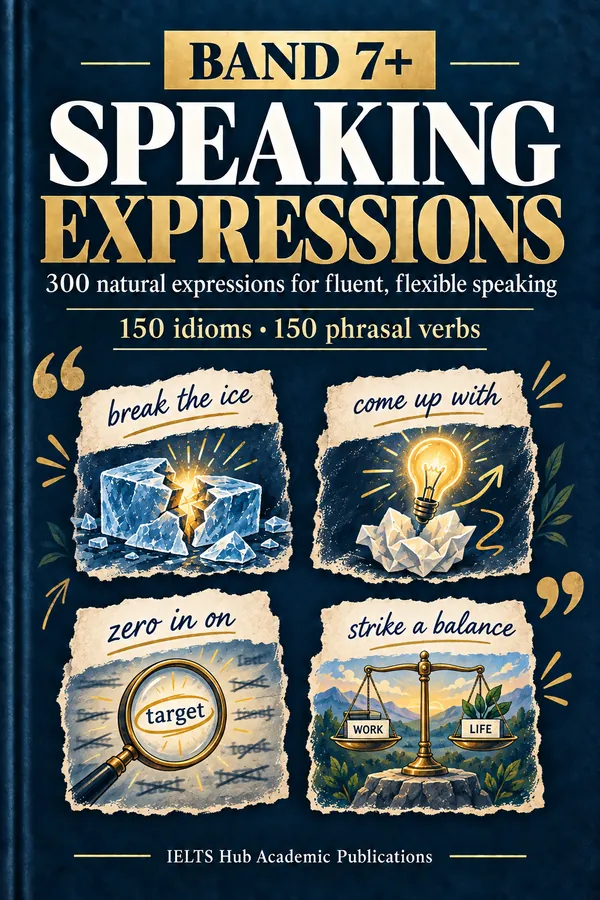
Speaking
Band 7+ Speaking Expressions
300 natural expressions for fluent, flexible speaking
₹199$6.99CAD 8.99AUD 9.99£4.99NZD 10.99€5.99AED 24SGD 8.99

Speaking
Speaking Tips for IELTS
Proven Strategies for Band 8.0+
₹299$9.99CAD 13.99AUD 14.99£7.99NZD 16.99€8.99AED 39SGD 12.99

Speaking
Speak Like a Band 9
Real Test Questions & High-Scoring Answers
₹299$9.99CAD 13.99AUD 14.99£7.99NZD 16.99€8.99AED 39SGD 12.99