Speaking test #745
Part 1 · Interview
4 to 5 minutes. The examiner asks about you and familiar topics.
Can you tell me your full name?
Where are you from?
Do you work or are you a student?
Do you like to travel?
Oh, absolutely! I am a huge fan of traveling and experiencing new cultures, cuisines, and landscapes. There is nothing quite like immersing oneself in a new environment and gaining a fresh perspective on the world.
How did you get here today?
I opted to utilize public transportation today, as it is a convenient and eco-friendly mode of transportation. I took the bus from my residence to the nearest train station and then boarded a train to reach here.
Do you often use public transport?
Yes, I do. I try to use public transportation as much as possible, as it is not only cost-effective but also beneficial for the environment. It also allows me to avoid traffic congestion and parking difficulties, which can be quite a hassle.
What are the benefits of travelling by foot?
Travelling by foot has several benefits, the most obvious one being the ability to explore a place in a more leisurely and intimate manner. Walking also allows you to discover hidden gems and lesser-known places that you might miss while using other forms of transportation. Additionally, walking is a great way to stay active and healthy, and it is also an environmentally friendly mode of transportation. Overall, I believe that travelling by foot is a great way to immerse oneself in a new place and gain a deeper understanding of it.
Who do you trust most?
I trust my family and close friends the most. They have been with me through thick and thin, and have always been a source of support and guidance. Their honesty and loyalty have earned my trust, and I know that they have my best interests at heart.
Have you ever lost trust in someone?
Yes, I have lost trust in someone before. It was a difficult experience, as it was someone who I had considered a close friend. However, they betrayed my trust and it caused a rift in our friendship. It made me realize the importance of being cautious when trusting others.
What kind of people do you trust?
I trust people who are honest, trustworthy, and have integrity. People who are consistent in their actions and words, and who are open and transparent in their communication. I also trust people who have a strong moral compass and who are willing to stand up for what they believe in.
Do you trust artificial intelligence?
I am cautious about trusting artificial intelligence. While it has the potential to be very useful, I think it's important to be aware of the potential risks and limitations. I believe that it's important to have proper regulations in place to ensure that artificial intelligence is used ethically and responsibly. I think that we need to be careful about how we use it, and that we should always be aware of its limitations.
You will have to talk about the topic for one to two minutes. You have one minute to think about what you are going to say. You can make some notes to help you if you wish.
Event that you organized which was very successful
You should say:
- What was the event
- How you organized it
- Who attended the event
- Why was it successful
What was the event
I once organized a charity fundraising event called "Joy of Giving" in my community, which turned out to be a remarkable success. The event aimed to raise funds for underprivileged children's education and well-being. To organize the event, I first formed a small team of volunteers who shared the same passion for helping others. We brainstormed ideas, allocated responsibilities, and set clear timelines to ensure smooth planning and execution.
How you organized it
The event attracted a diverse group of attendees, including local residents, students, and business owners, all united by their desire to contribute to a noble cause. We also collaborated with local businesses and schools to promote the event, which helped in garnering more support and participation. The attendees actively participated in various fundraising activities, such as auctions, raffles, and donation drives, making the event a huge success in terms of both funds raised and community engagement.
Who attended the event
The success of the event can be attributed to several key factors. Firstly, the clear purpose and goal of supporting underprivileged children resonated with the attendees, motivating them to contribute generously. Secondly, the meticulous planning and coordination by our volunteer team ensured that the event ran smoothly and efficiently. Lastly, the strong community support and participation played a crucial role in making the event successful, showcasing the power of unity and compassion in creating a positive impact.
Why was it successful
In conclusion, the "Joy of Giving" charity fundraising event that I organized was a resounding success due to the collective efforts of dedicated volunteers, the support of the community, and the meaningful cause it served. It not only raised significant funds for a worthy cause but also brought people together in a spirit of generosity and empathy, leaving a lasting impact on everyone involved.
- Words
- 286
- Sentences
- 13
- Words per sentence
- 22.0
- Speaking time
- about 2.2 min
Counted at 130 words a minute. The exam gives you one to two minutes.
Part 3 · Discussion
4 to 5 minutes. The examiner asks broader questions linked to the cue card topic.
How do you think planning a successful event is different from running a less successful one?
Organizing a successful event often hinges on meticulous planning and attention to detail. For instance, a well-executed event typically features a clear vision, strong communication among team members, and an understanding of the audience's needs. In contrast, a less successful event might suffer from disorganization, where the lack of a cohesive strategy leads to confusion and unmet expectations. Additionally, successful events often have robust marketing and promotion strategies that draw in attendees, while poorly managed events might fail to generate interest. Ultimately, the difference lies in the ability to anticipate challenges and adapt accordingly, which can mean the difference between an event that resonates with its audience and one that falls flat.
Some people think that the work done to plan an event matters more than the result. What do you think about this?
I think it’s a fascinating perspective! While the outcome of an event certainly holds a lot of weight, I would argue that the effort put into organizing it can be just as crucial. When you invest time and energy in planning, you often create a breathtaking experience for attendees, which can lead to lasting memories, regardless of the final result. Moreover, the skills and relationships developed during the organization process can be invaluable, often leading to future opportunities and collaborations. So, in a way, both the effort and the outcome are intertwined, each enhancing the other.
How important do you believe teamwork is for making an event successful?
Teamwork plays a crucial role in ensuring the success of any event, and I can't emphasize that enough! When individuals come together, each person brings their unique skills and perspectives, which can lead to innovative solutions and a more dynamic approach to challenges. For instance, in organizing an event, one team member might excel in logistics, while another might shine in communication and marketing. This diversity not only boosts efficiency but also fosters a sense of camaraderie, making the experience more enjoyable for everyone involved. Ultimately, when a team collaborates effectively, it creates a powerful synergy that can elevate an event from good to truly memorable!
Why do you think some events don't work out even with a solid plan?
There are several reasons why well-planned events can still go awry. For starters, unforeseen circumstances can arise, such as bad weather or last-minute cancellations, which can throw even the best-laid plans into chaos. Additionally, sometimes the communication breakdown among team members can lead to misunderstandings, resulting in critical elements being overlooked. Furthermore, it's not uncommon for external factors, like economic shifts or public sentiment, to impact attendance or participation, regardless of how meticulously an event is organized. Ultimately, while planning is essential, the unpredictable nature of life can sometimes derail even the most promising events.
How could planning events look different in the coming years?
The landscape of event organization is likely to undergo significant transformation in the coming years, largely driven by advancements in technology and changing consumer preferences. For instance, we're already seeing a rise in virtual events, which allow participants from around the globe to connect without the need for travel. This trend could continue to grow, making events more accessible and cost-effective for both organizers and attendees. Additionally, as sustainability becomes a pressing concern, I anticipate that more event organizers will prioritize eco-friendly practices, such as reducing waste and choosing green venues. Overall, I believe these changes will lead to more innovative and engaging experiences for everyone involved!
What steps can be taken to improve the chances of success for upcoming events?
To enhance the chances of success for future events, it's crucial to start with meticulous planning. This means setting clear, attainable goals and ensuring that all stakeholders are on the same page. Additionally, leveraging cutting-edge technology can significantly improve the overall experience, whether it's through social media promotion or using apps for seamless event management. Moreover, obtaining feedback from previous events can provide invaluable insights, allowing organizers to address any shortcomings and refine their strategies. Lastly, fostering a sense of community and engagement prior to the event can build excitement and ensure higher attendance, which is often a key indicator of success.
Go further with the books
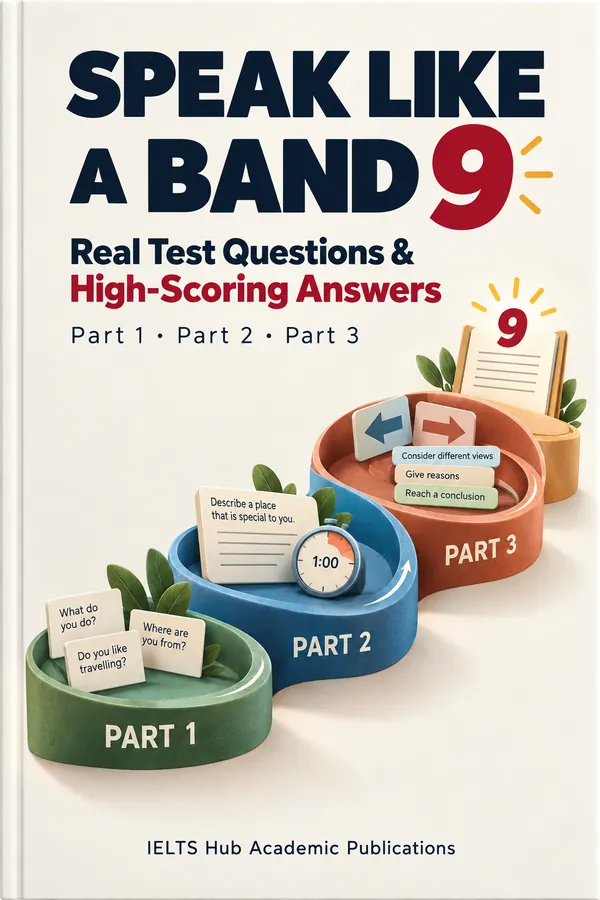
Speaking
Speak Like a Band 9
Real Test Questions & High-Scoring Answers
₹299$9.99CAD 13.99AUD 14.99£7.99NZD 16.99€8.99AED 39SGD 12.99
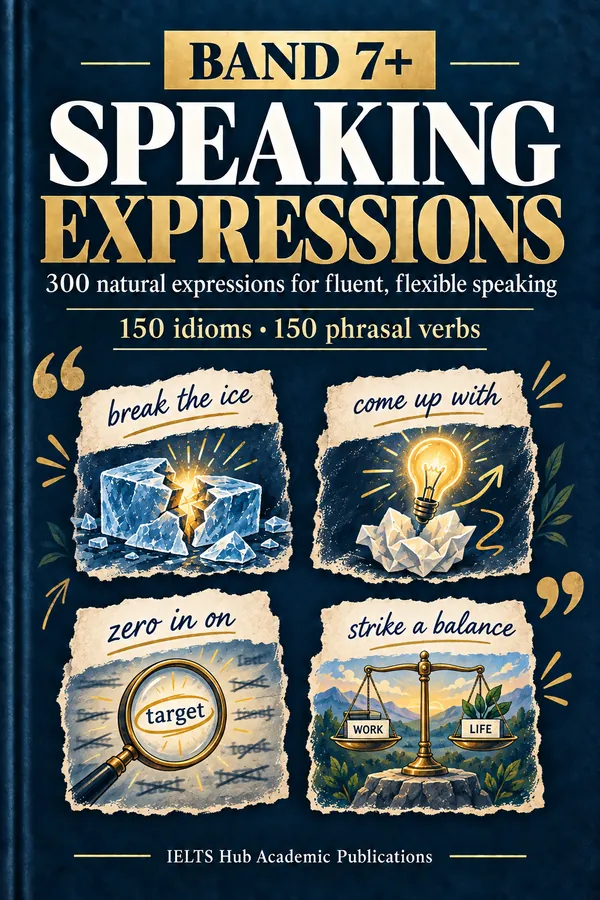
Speaking
Band 7+ Speaking Expressions
300 natural expressions for fluent, flexible speaking
₹199$6.99CAD 8.99AUD 9.99£4.99NZD 10.99€5.99AED 24SGD 8.99
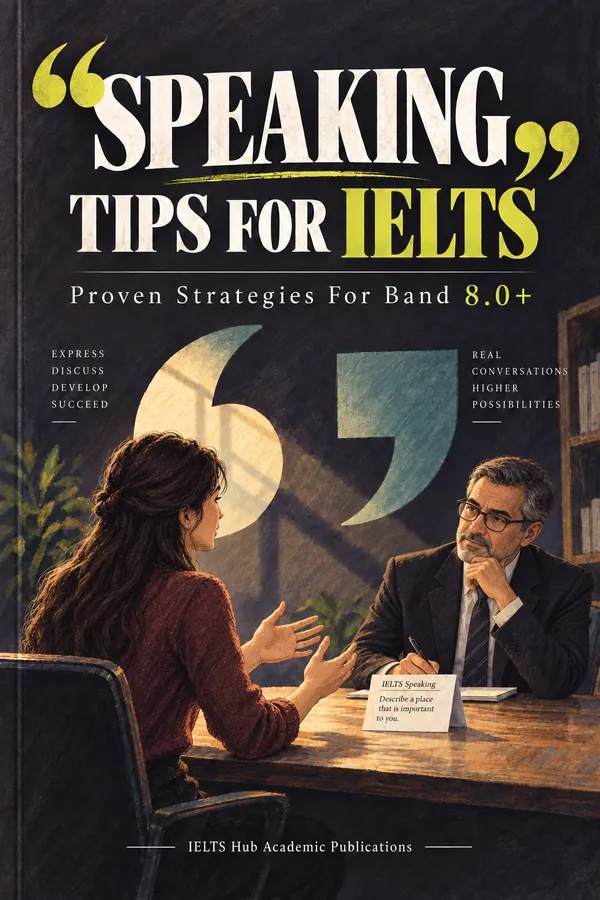
Speaking
Speaking Tips for IELTS
Proven Strategies for Band 8.0+
₹299$9.99CAD 13.99AUD 14.99£7.99NZD 16.99€8.99AED 39SGD 12.99