Speaking test #758
Part 1 · Interview
4 to 5 minutes. The examiner asks about you and familiar topics.
Can you tell me your full name?
Where are you from?
Do you work or are you a student?
Are clothes important to people where you live?
Oh absolutely. I think fashion is a big deal for many people in my community. People here tend to put a lot of thought into what they wear and how it reflects their personal style.
How do people decide which clothes to buy?
It really depends on the person. Some people are really into following trends and will buy whatever is popular at the moment. Others are more selective and might consider factors like comfort, practicality, and whether the clothing fits with their existing wardrobe.
Would you ever buy clothes for somebody as a present?
Sure, I've definitely given clothes as gifts before. It can be a great way to show someone that you know their style and are paying attention to what they like. However, I always try to make sure I'm choosing something that the recipient will actually want to wear, rather than just picking out something that I like.
Do you think clothes are too important for some people?
I think it's possible for people to place too much emphasis on clothes and what they wear. It's important to remember that clothing is just one aspect of a person's overall appearance and shouldn't define them entirely. However, I also think it's important for people to feel comfortable and confident in what they're wearing, so I don't think it's necessarily a bad thing if someone puts a lot of thought into their wardrobe.
Are you happy to be the age you are now?
I am quite content with my current age. I feel that I have reached a stage in my life where I have a good balance of experience and youthful energy, which enables me to make the most of my life.
When you were a child, did you think a lot about your future?
As a child, I did not give much thought to my future. I was more focused on enjoying the present moment and exploring the world around me. However, as I grew older, I began to consider my aspirations and goals for the future.
Do you think you have changed as you have got older?
Definitely. As I have grown older, I have learned a lot about myself and the world around me. I have gained new perspectives and experiences that have shaped my character and outlook on life. I have also learned to be more adaptable and open-minded, which has helped me to grow and evolve as a person.
What will be different about your life in the future?
I am optimistic that my life in the future will be even more fulfilling and meaningful than it is now. I hope to have a successful career, a loving family, and a sense of purpose that guides me through my daily life. Additionally, I hope to continue to grow and evolve as a person, learning new skills and perspectives that will help me to live a rich and fulfilling life.
You will have to talk about the topic for one to two minutes. You have one minute to think about what you are going to say. You can make some notes to help you if you wish.
Describe a joke that made you laugh
You should say:
- What the joke was about
- Who told you the joke
- Where and when you heard the joke
- Why it made you laugh
What the joke was about
I vividly remember a joke that left me in stitches not too long ago. The joke was about a hilarious misunderstanding between a doctor and a patient regarding a peculiar symptom. The patient had gone to the doctor complaining about constantly feeling like a pair of curtains. The punchline of the joke was the doctor's bewildered response, asking if the patient meant he was feeling "a bit off" instead. The clever play on words and the unexpected twist in the joke caught me completely off guard.
Who told you the joke
The joke was shared by my best friend during a casual evening hangout at a local café. It was a relaxing Saturday evening, and we were catching up on each other's week when my friend suddenly remembered this joke he had heard earlier. As he narrated the joke with animated expressions and perfect timing, I couldn't help but burst into uncontrollable laughter. The ambiance of the café, coupled with the spontaneity of the moment, added to the joy of the experience.
Where and when you heard the joke
What struck me the most about this joke was its simplicity yet effectiveness in evoking genuine laughter. The clever wordplay and the unexpected turn in the punchline were so brilliantly crafted that it instantly lifted my spirits. In that moment, the stress and worries of the week melted away, and I found myself immersed in pure, unadulterated joy. It was a reminder of the power of humor to bring people together and brighten even the most mundane of days.
Why it made you laugh
Overall, this joke not only made me laugh but also served as a bonding moment with my friend, creating a shared memory that we still chuckle about to this day. The ability of a simple joke to elicit such a genuine and hearty laughter is a testament to the magic of humor and its universal appeal in brightening our lives.
- Words
- 306
- Sentences
- 15
- Words per sentence
- 20.4
- Speaking time
- about 2.4 min
Counted at 130 words a minute. The exam gives you one to two minutes.
Part 3 · Discussion
4 to 5 minutes. The examiner asks broader questions linked to the cue card topic.
How does the fun in jokes change in different cultures?
Humor is incredibly diverse and can vary significantly from one culture to another. For instance, what might be considered hilarious in one country could fall flat or even be seen as offensive in another. This is largely due to the different social norms, traditions, and values that shape what people find funny. For example, British humor often leans towards the dry and sarcastic, while American humor might embrace more slapstick or over-the-top elements. It's fascinating how culture influences not just the content of jokes, but also the delivery and timing, which can be crucial for eliciting laughter. Ultimately, humor acts as a cultural bridge, allowing us to explore and appreciate the nuances of different societies.
Some people think that jokes show what society values. What do you think about this idea?
I absolutely agree that humor can be a profound reflection of society's values. It often highlights what we hold dear and what we find absurd. For instance, satire can be a powerful tool for critiquing societal norms or politics, revealing underlying truths that might be uncomfortable. Additionally, the type of humor that resonates with a particular culture can indicate the collective mindset of that society, showcasing its struggles, triumphs, and even its contradictions. Ultimately, humor not only entertains but also serves as a lens through which we can examine our shared beliefs and priorities.
How do you think humor helps reduce stress and boost mental health?
Humor plays a crucial role in relieving stress and enhancing mental health, and I genuinely believe it’s one of the most effective tools we have. When we laugh, it triggers the release of endorphins, which are our body’s natural feel-good chemicals. This not only helps to alleviate tension but also fosters a sense of connection with others, as shared laughter can strengthen relationships. Additionally, humor allows us to gain a different perspective on our problems, making them seem less daunting. In a world where stress is almost inevitable, incorporating humor into our daily lives can be a simple yet powerful way to maintain a positive outlook and resilience.
Why do people usually remember jokes that made them laugh for a long time?
People often remember jokes that made them laugh for a long time because laughter creates a powerful emotional connection. When we find something funny, our brain releases chemicals like dopamine, which not only boosts our mood but also enhances memory retention. Additionally, jokes often tap into shared experiences or cultural references, making them more relatable and easier to recall. The shared joy of laughter can also strengthen social bonds, meaning that a joke told among friends might be remembered not just for its humor but for the memories associated with it. So, it’s this unique combination of emotion and connection that makes those funny moments stick with us.
How could humor change in the next few years because of technology and social media?
That's a fascinating question! As technology continues to advance, I believe the nature of humor will become increasingly interconnected with the digital landscape. For instance, memes and short videos have already transformed the way we share jokes, making humor more accessible and instantaneous than ever before. In the coming years, we might see even more sophisticated forms of humor emerging through virtual reality and augmented reality experiences, which could create immersive comedic scenarios that engage audiences on a deeper level. Additionally, the rise of artificial intelligence could lead to the creation of personalized humor, where algorithms analyze our preferences to deliver tailored jokes. Overall, I think this evolution will lead to a more diverse and dynamic range of comedic expressions that reflect our rapidly changing world.
How can we improve the use of humor in schools?
To enhance the sense of humor in educational settings, teachers could incorporate light-hearted activities into their lessons. For instance, using funny videos or memes related to the subject matter can break the ice and make learning more enjoyable. Additionally, educators might encourage students to share their own jokes or humorous stories, fostering a lively classroom atmosphere where everyone feels comfortable. Moreover, integrating humor into assessments, like creating fun quizzes or games, can also make the learning process more engaging and less daunting. Ultimately, a touch of humor can transform a mundane lesson into a memorable experience, making education both effective and enjoyable!
Go further with the books
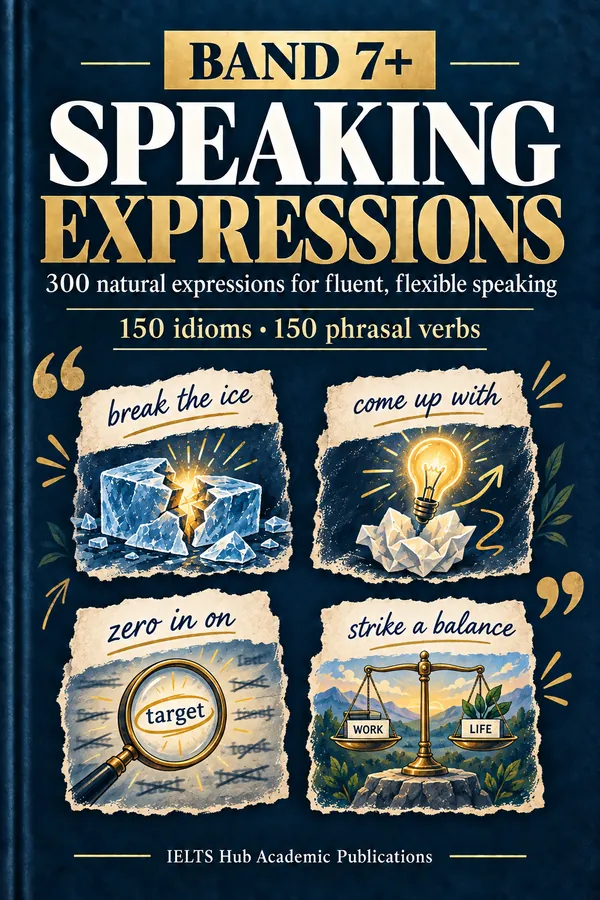
Speaking
Band 7+ Speaking Expressions
300 natural expressions for fluent, flexible speaking
₹199$6.99CAD 8.99AUD 9.99£4.99NZD 10.99€5.99AED 24SGD 8.99
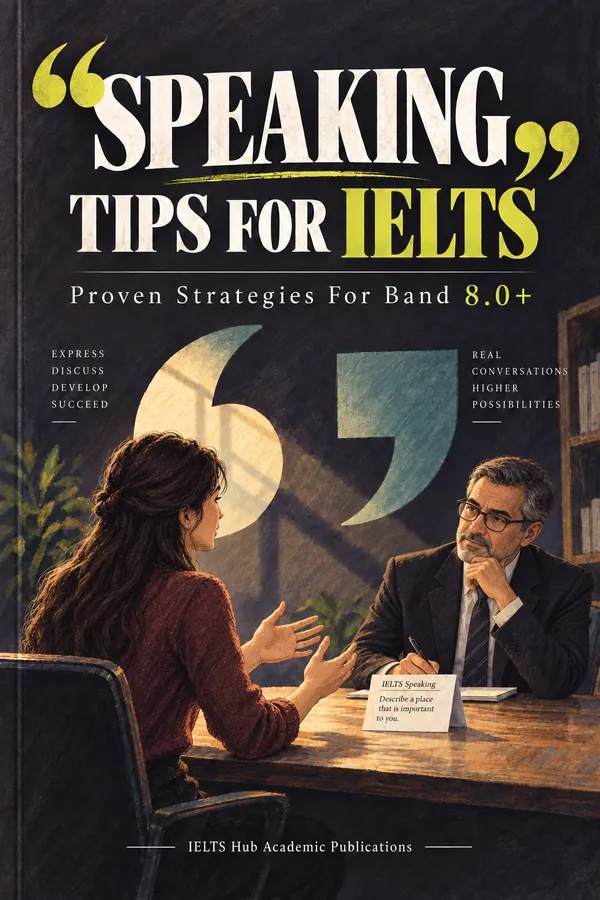
Speaking
Speaking Tips for IELTS
Proven Strategies for Band 8.0+
₹299$9.99CAD 13.99AUD 14.99£7.99NZD 16.99€8.99AED 39SGD 12.99
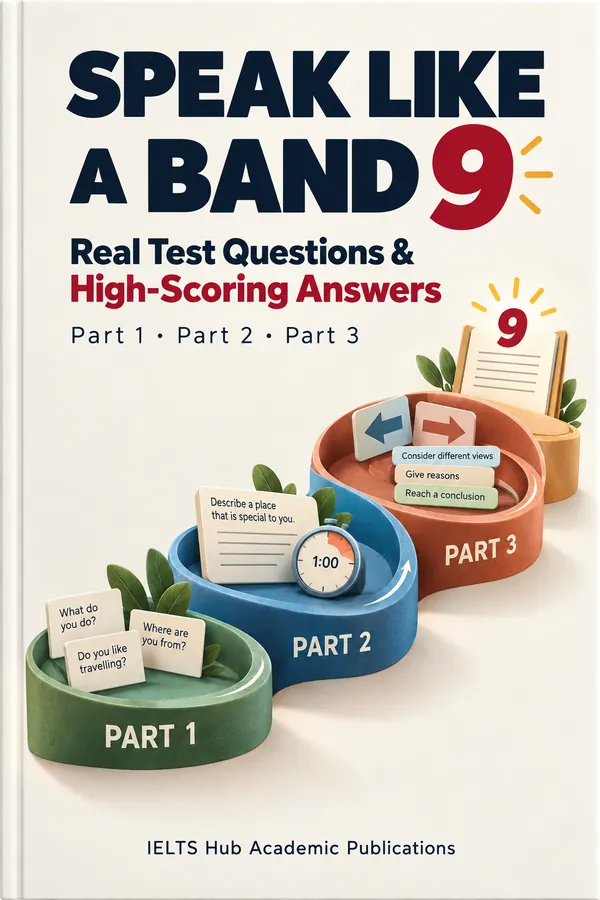
Speaking
Speak Like a Band 9
Real Test Questions & High-Scoring Answers
₹299$9.99CAD 13.99AUD 14.99£7.99NZD 16.99€8.99AED 39SGD 12.99