Speaking test #762
Part 1 · Interview
4 to 5 minutes. The examiner asks about you and familiar topics.
Can you tell me your full name?
Where are you from?
Do you work or are you a student?
What kinds of places are often crowded?
Well, it really depends on the location and time of day. Generally, popular tourist attractions, shopping centers, and public events tend to be crowded. But even local streets and public transportation can become crowded during peak hours.
When was the last time you were in a crowded place?
I was in a crowded place just a few days ago at a concert. The venue was packed and it was quite an experience.
How do you feel when you are in a crowded place?
It really depends on the circumstances. If I'm with a group of friends and having a good time, being in a crowded place can be exhilarating. However, if I'm feeling overwhelmed or stressed out, being in a crowded place can feel overwhelming and overwhelming.
Would you like to live in a crowded place in the future?
That's a tough one. On one hand, living in a crowded place can offer a lot of conveniences and opportunities for social interaction. On the other hand, it can also be quite overwhelming and overwhelming at times. Ultimately, it would depend on the specific location and the balance of pros and cons.
You will have to talk about the topic for one to two minutes. You have one minute to think about what you are going to say. You can make some notes to help you if you wish.
Describe a method that helps you to save money
You should say:
- What the method is
- How you implement this method
- Why this method is effective for saving money
- Any challenges you face while using this method
What the method is
Saving money is a crucial skill that many people strive to master. One method that has been particularly effective for me in this regard is budgeting meticulously. By allocating specific amounts to different expenses, I am able to track my spending and ensure that I do not exceed my financial limits. This method not only helps me save money but also promotes financial discipline and awareness.
How you implement this method
To implement this method, I start by listing all my income sources and fixed expenses such as rent, bills, and groceries. Then, I allocate a portion of my income to savings and set limits for discretionary spending on categories like entertainment and dining out. I use budgeting apps to monitor my expenses in real-time and make adjustments as needed. By sticking to this budgeting plan, I am able to save a substantial amount of money each month.
Why this method is effective for saving money
Budgeting is effective for saving money because it gives me a clear overview of my financial situation and priorities. It helps me identify unnecessary expenses and find areas where I can cut back. Moreover, having a budget in place instills a sense of control over my finances, reducing the temptation to overspend impulsively. This method also allows me to set specific savings goals and track my progress towards achieving them.
Any challenges you face while using this method
Despite the benefits of budgeting, I do face challenges in sticking to the plan at times. Unexpected expenses or temptations to splurge on non-essential items can derail my budgeting efforts. To overcome these challenges, I remind myself of my long-term financial goals and the importance of staying disciplined. By staying focused and committed to my budgeting method, I am able to overcome these challenges and continue on the path towards financial stability and security.
- Words
- 287
- Sentences
- 16
- Words per sentence
- 17.9
- Speaking time
- about 2.2 min
Counted at 130 words a minute. The exam gives you one to two minutes.
Part 3 · Discussion
4 to 5 minutes. The examiner asks broader questions linked to the cue card topic.
How do various cultures think about saving money?
Different cultures have such fascinating approaches to the concept of saving money! For instance, in many Western societies, there's often a strong emphasis on individualism, which can lead to a focus on personal financial independence and investment. People might prioritize saving for retirement or buying a house as a way to achieve long-term security. In contrast, some Eastern cultures may place a greater value on community and family, leading to more collective saving practices, where money is saved for shared goals, like weddings or family businesses. Ultimately, these differing savings habits reflect deeper values and beliefs about financial security and responsibility within each culture, making it a rich topic for exploration!
Some people think saving money is better than spending it. What do you think about this idea?
I can definitely see why some people prioritize saving money over spending it. In today’s unpredictable world, having a financial cushion can provide a sense of security and peace of mind. It allows individuals to handle unexpected expenses without stress, which is invaluable. However, I also believe that spending money wisely can enhance our quality of life; after all, experiences and memories often outweigh material possessions. It’s all about finding a delicate balance between saving for the future and enjoying the present moment. Ultimately, a healthy financial mindset incorporates both saving and spending in a way that aligns with one’s goals and values.
How can saving money affect a person's quality of life?
Saving money can have a profound impact on an individual's quality of life in several ways. Firstly, having a financial cushion allows people to feel more secure and confident in their day-to-day lives, knowing that they can handle unexpected expenses without stress. This sense of financial stability can also lead to improved mental health, as the anxiety that often accompanies financial uncertainty is alleviated. Additionally, saving money opens up opportunities for experiences such as travel or education, which can enrich one’s life and broaden horizons. Ultimately, when individuals prioritize saving, they not only prepare for the future but also enhance their overall well-being and satisfaction with life.
Why do you think people often find it hard to save money, even though they know it's good for them?
Individuals often struggle with saving money for a variety of reasons, even when they are fully aware of its benefits. One significant factor is the constant pressure of consumerism; we live in a society that glorifies spending and prioritizes immediate gratification over long-term financial stability. Additionally, many people face unexpected expenses that can derail even the best-laid plans, making it challenging to set aside money. Furthermore, a lack of financial literacy can contribute to poor saving habits, as individuals might not fully understand how to effectively manage their finances. Ultimately, it’s a combination of societal influences and personal circumstances that can make saving feel like an uphill battle.
How could ways to save money change in the next ten years?
In the next decade, I believe we’ll see some exciting innovations in the way people save money. With the rise of fintech solutions, more individuals will turn to mobile apps that not only help track spending but also automate savings. For instance, these apps could analyze your financial habits and suggest personalized savings plans based on your income and expenses. Moreover, as cryptocurrencies gain popularity, we might see a shift towards digital wallets and decentralized finance, allowing people to save in more diverse and potentially lucrative ways. It’s fascinating to think about how technology will empower us to manage our finances more efficiently and even make saving feel more engaging!
What ways can we get more people to make saving money a priority?
To encourage more people to prioritize saving money, I believe a combination of education and incentives is crucial. Firstly, financial literacy programs could be introduced in schools and communities, teaching individuals the importance of budgeting and the long-term benefits of saving. Additionally, employers could implement matching contributions for retirement accounts, which would not only motivate employees to save but also enhance their financial security in the future. Moreover, creating accessible saving options—like high-yield savings accounts or apps that round up purchases to save spare change—could make the process more appealing and user-friendly. Ultimately, a supportive environment that promotes saving as a norm rather than an exception could significantly shift people’s attitudes towards their finances.
Go further with the books
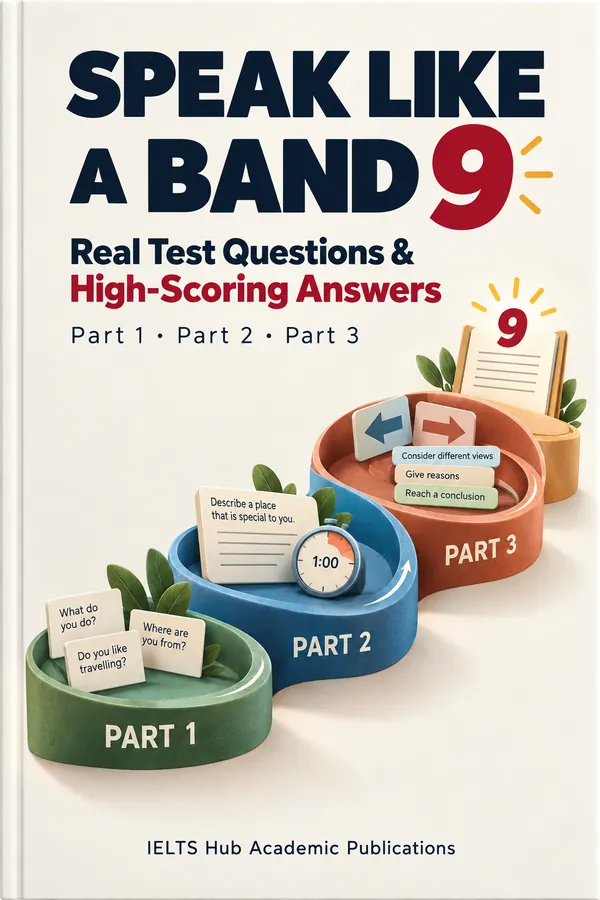
Speaking
Speak Like a Band 9
Real Test Questions & High-Scoring Answers
₹299$9.99CAD 13.99AUD 14.99£7.99NZD 16.99€8.99AED 39SGD 12.99

Speaking
Band 7+ Speaking Expressions
300 natural expressions for fluent, flexible speaking
₹199$6.99CAD 8.99AUD 9.99£4.99NZD 10.99€5.99AED 24SGD 8.99
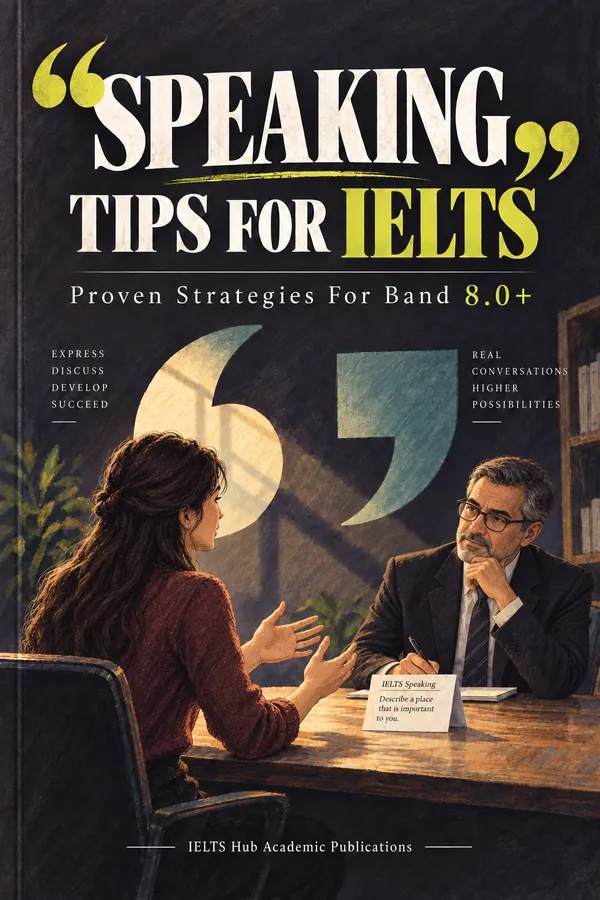
Speaking
Speaking Tips for IELTS
Proven Strategies for Band 8.0+
₹299$9.99CAD 13.99AUD 14.99£7.99NZD 16.99€8.99AED 39SGD 12.99