Speaking test #765
Part 1 · Interview
4 to 5 minutes. The examiner asks about you and familiar topics.
Can you tell me your full name?
Where are you from?
Do you work or are you a student?
What's the decoration like in your home?
Well, I would say that the decoration in my home is a mix of modern and traditional elements. We have a lot of contemporary furniture and artwork, but we also have some antique pieces and colorful rugs and textiles that bring in a bit of cultural flair. Overall, I think it's a cozy and welcoming space.
What kind of decoration do you prefer?
Personally, I really enjoy a blend of styles in decorating. I think it adds character and interest to a space. I love incorporating bold patterns and pops of color, but I also appreciate the simplicity and clean lines of minimalism. So I would say I have an eclectic taste in decor.
Do the people of your country (India) like redecorating their homes?
Yes, I think many people in India enjoy redecorating their homes. It's a way to express their personal style and update the look and feel of their living spaces. And with the wide variety of affordable home decor options available in the market, it's easy for people to switch things up and try out new looks.
What's your favorite color when decorating your home?
I really love using shades of blue in my home decor. It's such a calming and soothing color, and it pairs well with a wide range of other shades and textures. Whether it's a deep navy or a light sky blue, I think it always adds a touch of sophistication and elegance to a space.
How often do you use a dictionary?
I use a dictionary quite frequently, probably a few times a week. It's a handy tool for when I come across unfamiliar words or want to double-check the meaning of something.
Do you prefer a paper dictionary or an electronic one?
I personally prefer an electronic dictionary, mainly because it's more convenient and easily accessible. I can just pull it up on my phone or laptop and search for a word in seconds. Plus, I can save words to a list or make notes on their definitions, which is helpful for language learning. However, I do appreciate the nostalgia and tactile experience of using a paper dictionary, so I still keep one on my bookshelf for reference.
How will dictionaries change in the future?
I think dictionaries will continue to evolve and adapt with technology. I envision them becoming more interactive and user-friendly, with features like audio pronunciation, sample sentences, and cultural references. They may also incorporate artificial intelligence to provide personalized recommendations or synonym suggestions.
How would you feel if somebody gave you a dictionary as a gift?
I would be thrilled if someone gave me a dictionary as a gift! It might not be the most exciting present, but to me it shows that the person values education and language learning. I would appreciate the thought and effort put into selecting a dictionary that fits my needs or interests.
You will have to talk about the topic for one to two minutes. You have one minute to think about what you are going to say. You can make some notes to help you if you wish.
Describe something you have that you no longer use
You should say:
- What the item is
- Why you no longer use it
- How long you had it for
- What you plan to do with it in the future
What the item is
The item I no longer use is my old bicycle, which holds sentimental value for me. It is a classic red Raleigh bicycle that I received as a birthday gift from my parents when I was in high school. Despite the nostalgic memories attached to it, I no longer use the bicycle due to the increasing traffic and lack of safe cycling lanes in my city.
Why you no longer use it
I had the bicycle for over a decade, and it served as my primary mode of transportation during my school and college years. I remember riding it to school every day, feeling the wind in my hair and the sense of freedom it brought me. However, as I grew older and started working, I found it more convenient to commute using public transport or my car, leading to the neglect of my beloved bicycle.
How long you had it for
In the future, I plan to donate the bicycle to a local charity or perhaps refurbish it and gift it to a younger family member who can enjoy it as much as I did. It feels wrong to let such a cherished possession gather dust in my garage when it could bring joy to someone else. While I may no longer use the bicycle, I hope it can continue to serve its purpose and create new memories for someone else.
What you plan to do with it in the future
In conclusion, my old bicycle, though no longer in use, holds a special place in my heart. Despite the changing circumstances that led to its neglect, I plan to ensure that it finds a new home where it can be appreciated and enjoyed once again. The memories of carefree rides and happy times associated with the bicycle will always remain with me, even as I pass it on to someone else to create their own stories.
- Words
- 296
- Sentences
- 12
- Words per sentence
- 24.7
- Speaking time
- about 2.3 min
Counted at 130 words a minute. The exam gives you one to two minutes.
Part 3 · Discussion
4 to 5 minutes. The examiner asks broader questions linked to the cue card topic.
How can the importance of old belongings vary from person to person?
The significance of old possessions can vary greatly from person to person due to their unique personal experiences and emotional attachments. For some, an old photograph or a piece of jewelry may evoke a sense of nostalgia, reminding them of cherished memories or loved ones. Others might see these items as mere clutter, lacking any real value in today’s fast-paced world. Additionally, cultural background plays a crucial role; for example, in some cultures, heirlooms are treasured and passed down through generations, representing a rich family heritage. Ultimately, the meaning of these possessions is deeply intertwined with individual stories and values, making each item significant in its own right.
How much can we say that keeping things we don't use shows our personal values?
That's a fascinating question! I believe that holding onto unused items can indeed reflect a person's core values and priorities. For instance, some individuals may cling to old possessions because they have sentimental value or are tied to cherished memories, which shows a deep appreciation for their past and the people in their lives. On the other hand, others might hoard items out of a sense of fear or insecurity, perhaps indicating a struggle with materialism or an unwillingness to let go. Ultimately, the reasons behind keeping unused items can offer significant insight into someone's emotional landscape and how they navigate their identity and relationships.
How important do you think it is for people to clean out their living spaces from time to time?
I believe it's incredibly crucial for people to declutter their living spaces periodically. Living in a cluttered environment can lead to feelings of stress and overwhelm, which can impact both mental and physical well-being. By regularly removing unnecessary items, individuals can create a more harmonious atmosphere, making it easier to focus and relax. Plus, decluttering can be quite liberating, as it allows people to reconnect with the things that truly matter to them. Ultimately, maintaining a tidy space can lead to a more productive lifestyle and enhance overall happiness.
Why do you think some people have a hard time getting rid of things they don't use anymore?
That's a fascinating question! Many individuals struggle to part with items they no longer use due to emotional attachment. These possessions often hold memories or represent significant life events, making it difficult to let go. Additionally, there's the fear of regret—people worry that they might need the item again in the future, so they cling to it just in case. Furthermore, the process of decluttering can be overwhelming; it requires not just physical effort, but also a mental shift that some may find daunting. Ultimately, it’s a blend of nostalgia, fear, and the challenge of change that makes it tough for many to say goodbye to their belongings.
How could the trend of minimalism change in the future as people's lives change?
The trend of minimalism is likely to evolve significantly as our lifestyles continue to change, particularly with the increasing pace of modern life. As people become more aware of the environmental impact of consumerism, I think we will see a shift towards even more intentional living, where individuals focus on quality over quantity. This could lead to a rise in the popularity of experiences over possessions, as more people prioritize meaningful connections and experiential opportunities. Additionally, advancements in technology might encourage a more digital minimalism, where individuals declutter not just their physical spaces but also their digital lives, seeking to reduce distractions and enhance their well-being. Overall, I believe that minimalism will become a vital aspect of achieving balance and harmony in an increasingly chaotic world.
What methods can people use to get rid of things they don't need anymore?
To let go of items they no longer find useful, individuals can adopt several effective strategies. First and foremost, the one-in-one-out rule is a fantastic approach; for every new item brought into the home, an old one should be discarded. This not only helps maintain a clutter-free environment but also encourages mindful consumption. Another helpful tactic is to set aside a specific time each month for decluttering, making it a regular habit rather than an overwhelming task. Additionally, donating items to charity can be incredibly rewarding, as it benefits those in need while simultaneously helping one to clear space. Ultimately, the key is to cultivate a mindset focused on minimalism and appreciation for the things we truly value.
Go further with the books
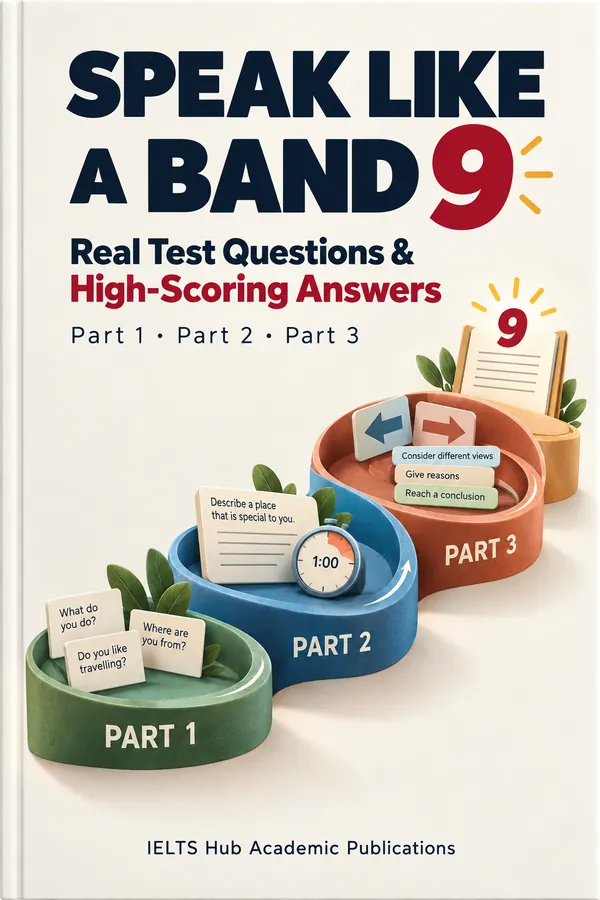
Speaking
Speak Like a Band 9
Real Test Questions & High-Scoring Answers
₹299$9.99CAD 13.99AUD 14.99£7.99NZD 16.99€8.99AED 39SGD 12.99
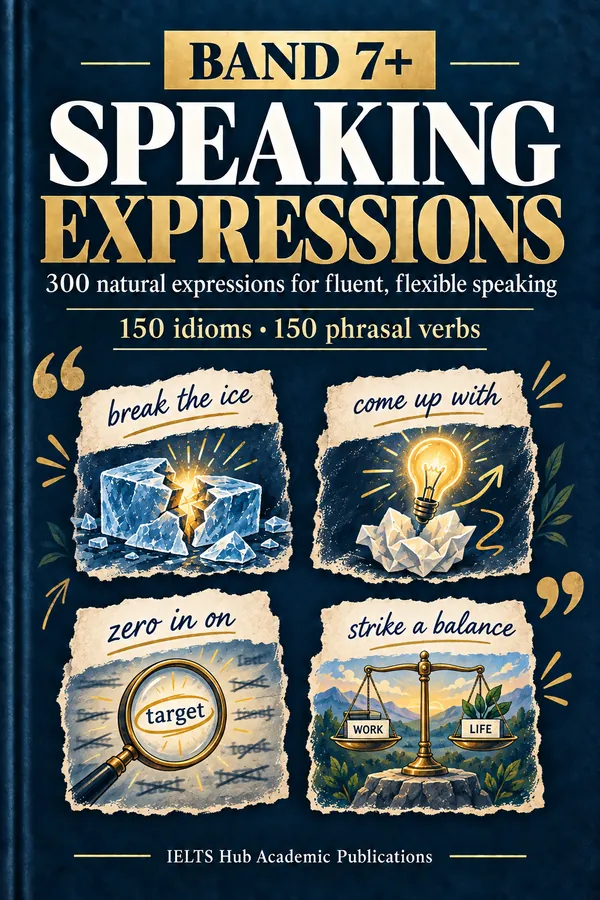
Speaking
Band 7+ Speaking Expressions
300 natural expressions for fluent, flexible speaking
₹199$6.99CAD 8.99AUD 9.99£4.99NZD 10.99€5.99AED 24SGD 8.99
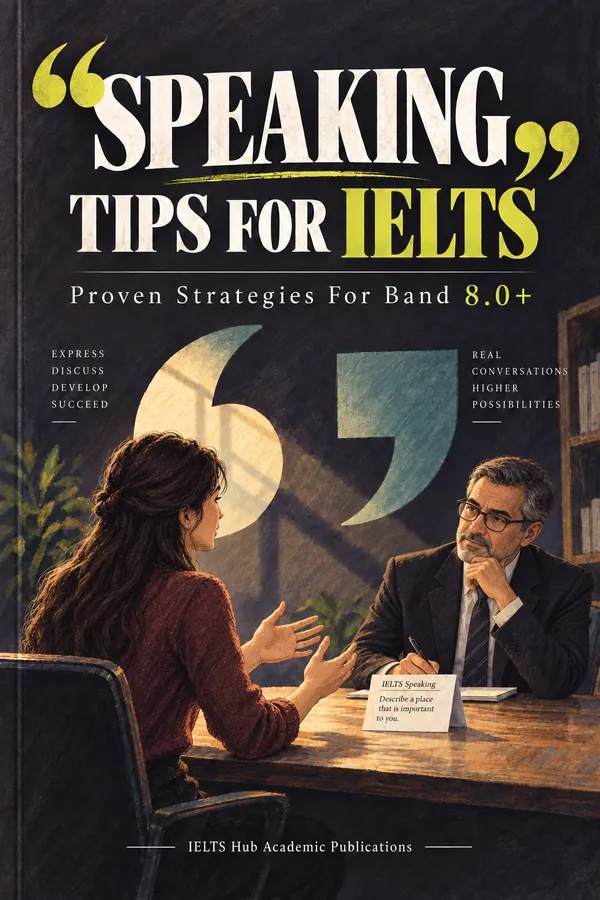
Speaking
Speaking Tips for IELTS
Proven Strategies for Band 8.0+
₹299$9.99CAD 13.99AUD 14.99£7.99NZD 16.99€8.99AED 39SGD 12.99