Speaking test #767
Part 1 · Interview
4 to 5 minutes. The examiner asks about you and familiar topics.
Can you tell me your full name?
Where are you from?
Do you work or are you a student?
Can you remember the dreams you had?
Oh, definitely. I tend to have quite vivid and memorable dreams, so I can usually recall them pretty easily. Sometimes they're just random and nonsensical, but other times they feel really meaningful and significant.
Do you share your dreams with others? (or are you interested in others' dreams?
?) I'll definitely share some of my more interesting or notable dreams with friends and family, but I don't go around telling everyone about every little dream I have. As for other people's dreams, I'm definitely intrigued by them and love hearing about people's subconscious thoughts and experiences. It's always fascinating to me how different and unique everyone's dreams can be.
Do you think dreams have special meanings?
I definitely think that dreams can be a way for our minds to process and work through things that are going on in our lives. Sometimes I'll have a dream that feels really symbolic or tied to something I'm struggling with, and it can be really helpful in helping me understand my own thoughts and feelings. That being said, I don't think that every single dream needs to be analyzed and dissected. Sometimes they're just dreams and nothing more.
Do you want to make your dreams come true?
Absolutely. I think everyone has dreams and goals that they want to accomplish, and I'm no different. I have a lot of things that I want to do and experience in my life, and I'm always working towards making those dreams a reality. It takes hard work and dedication, but it's definitely worth it in the end.
How often do you drink water?
Oh, I'm definitely a water person. I try to drink at least 8 cups a day to stay hydrated.
What kind of water do you like to drink?
I prefer to drink purified or spring water. I just find that it tastes fresher and cleaner.
Do you drink bottled water or water from water machines?
I tend to drink bottled water, but I also like to carry a reusable water bottle and fill it up from water machines or fountains when I'm out and about.
Do you like to play in water?
Absolutely! I love going swimming or playing water sports. It's such a fun and refreshing way to beat the heat.
You will have to talk about the topic for one to two minutes. You have one minute to think about what you are going to say. You can make some notes to help you if you wish.
An occasion when you forgot something important
You should say:
- What you forgot
- When and where it happened
- How it affected you
- What you did to rectify the situation
What you forgot
Forgetting something important can be quite distressing, and I vividly remember a time when I forgot my passport while traveling to attend a crucial job interview. It was a pivotal moment in my life as I had been preparing for this interview for months. Unfortunately, as I was rushing out of the house that morning, I completely overlooked grabbing my passport from the drawer where I had kept it.
When and where it happened
This incident occurred last year when I was scheduled to interview for a job opportunity in a different city. I only realized my blunder when I reached the airport and was asked to present my passport at the check-in counter. The sinking feeling in my stomach was indescribable, as I knew how crucial this document was for my travel and the interview. The realization that I had forgotten my passport left me feeling panicked and helpless.
How it affected you
The consequences of forgetting my passport were immediate and severe. I missed my flight and had to reschedule my interview, causing me immense stress and disappointment. To rectify the situation, I quickly called a friend who lived nearby to bring me my passport. It was a race against time, but thankfully my friend arrived just in time for me to catch the next available flight. This experience taught me the importance of being more organized and double-checking everything before embarking on important journeys.
What you did to rectify the situation
In conclusion, forgetting my passport for the job interview was a nerve-wracking experience that had a significant impact on me. It made me realize the importance of attention to detail and the need to be more vigilant in such situations. Since then, I have become more diligent in checking all my essential documents before any travel, ensuring that I do not repeat the same mistake again.
- Words
- 294
- Sentences
- 15
- Words per sentence
- 19.6
- Speaking time
- about 2.3 min
Counted at 130 words a minute. The exam gives you one to two minutes.
Part 3 · Discussion
4 to 5 minutes. The examiner asks broader questions linked to the cue card topic.
What are the differences in the results of forgetting something important in personal vs. work situations?
Forgetting something important can have vastly different consequences depending on whether it’s in a personal or professional context. In personal situations, the fallout might lead to feelings of guilt or disappointment, particularly if it involves a loved one’s birthday or an important family event. On the other hand, in a professional setting, the implications can be much more severe, ranging from loss of credibility to potentially jeopardizing a project or even a job. The stakes are often higher at work, where deadlines and responsibilities can create a ripple effect that impacts not just the individual but the entire team. So, while both scenarios can be distressing, the professional consequences tend to be more far-reaching and significant.
How do people usually feel sorry after missing important events or promises?
Individuals often experience a profound sense of guilt and disappointment when they forget significant events or commitments, particularly those that hold emotional weight, like birthdays or anniversaries. This feeling can stem from the realization that their oversight may have hurt someone they care about, leading to strained relationships. Additionally, there’s often a sense of regret for not prioritizing what truly matters in life, which can trigger self-reflection on one’s time management and personal values. Ultimately, this remorse can serve as a valuable lesson, prompting individuals to implement strategies to improve their memory or to be more mindful in their daily lives.
How does memory affect our everyday lives, and how important is it for our overall health?
Memory plays a fundamental role in our daily lives, acting as the backbone of our experiences and interactions. It allows us to recall past events, learn from our mistakes, and build relationships, which are all essential for personal growth. Moreover, memory influences our decision-making and problem-solving skills by enabling us to draw on lessons learned in the past. When we think about overall well-being, it’s clear that a strong memory can contribute to our emotional health by helping us maintain connections with loved ones and preserving cherished moments. Conversely, memory loss can lead to feelings of isolation and confusion, underscoring its importance in fostering a fulfilling life.
Why do you think some people forget important dates or tasks more easily than others?
That's an intriguing question! I believe that some individuals are simply more absent-minded than others, often due to their unique cognitive styles. For instance, people who are highly focused on their work or creative pursuits might find themselves lost in thought, making it easy to overlook important dates or tasks. Additionally, factors such as stress and a hectic lifestyle can significantly impact memory; when someone is juggling multiple responsibilities, it’s natural for them to become a bit forgetful. Lastly, there’s also the idea that some people may not prioritize certain dates as much, which can lead to a lack of mental attachment to them, further contributing to their forgetfulness.
What might happen in society if people started forgetting important things more often?
If forgetting important things became more prevalent, we could see a significant shift in how society functions. For instance, communication breakdowns might become the norm, leading to misunderstandings and a general sense of disconnection among people. Imagine a world where appointments and commitments are frequently overlooked; this could result in a surge of frustration and anxiety, as people struggle to keep track of their responsibilities. Additionally, it might drive innovations in technology, like advanced reminders or apps designed to help us remember crucial tasks. On a more positive note, this could foster a culture of understanding and compassion, as individuals learn to be more forgiving of each other’s lapses. All in all, while it might seem daunting, such a shift could lead to both challenges and opportunities for growth in our social interactions.
What methods can people use to help them remember important events or tasks?
To ensure they remember important events or responsibilities, individuals can adopt a few effective strategies. Firstly, using a digital calendar or a planner can be incredibly helpful; it allows people to set reminders and notifications, ensuring nothing slips through the cracks. Additionally, developing a habit of writing things down, whether in a notebook or on sticky notes, can reinforce memory through the act of active engagement. Moreover, associating events with specific visual cues or creating mental images can enhance recall. For instance, if you have a friend’s birthday coming up, picturing a cake or a party can trigger your memory when you see related items. Lastly, sharing responsibilities with others and discussing plans can not only make remembering easier but also add a social element that makes the experience more enjoyable!
Go further with the books
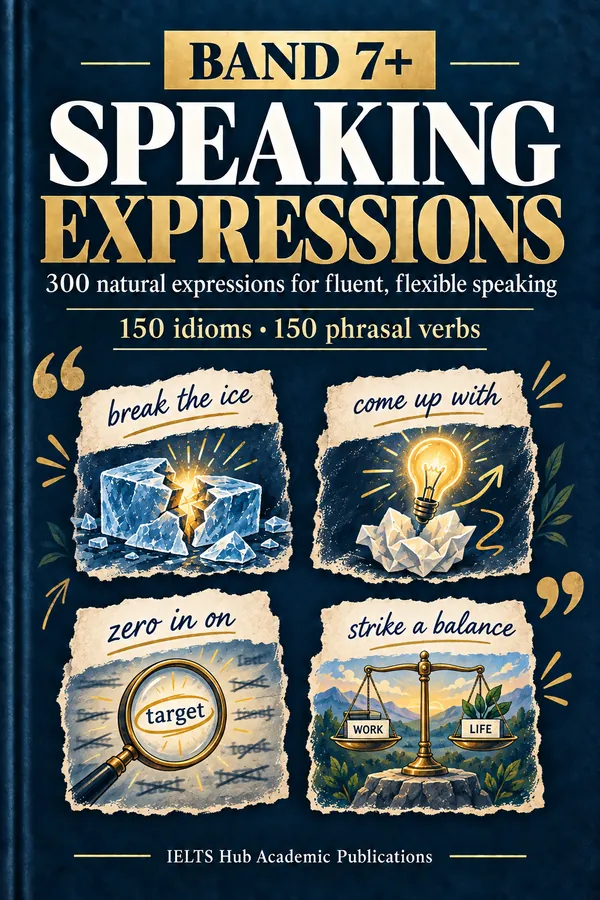
Speaking
Band 7+ Speaking Expressions
300 natural expressions for fluent, flexible speaking
₹199$6.99CAD 8.99AUD 9.99£4.99NZD 10.99€5.99AED 24SGD 8.99
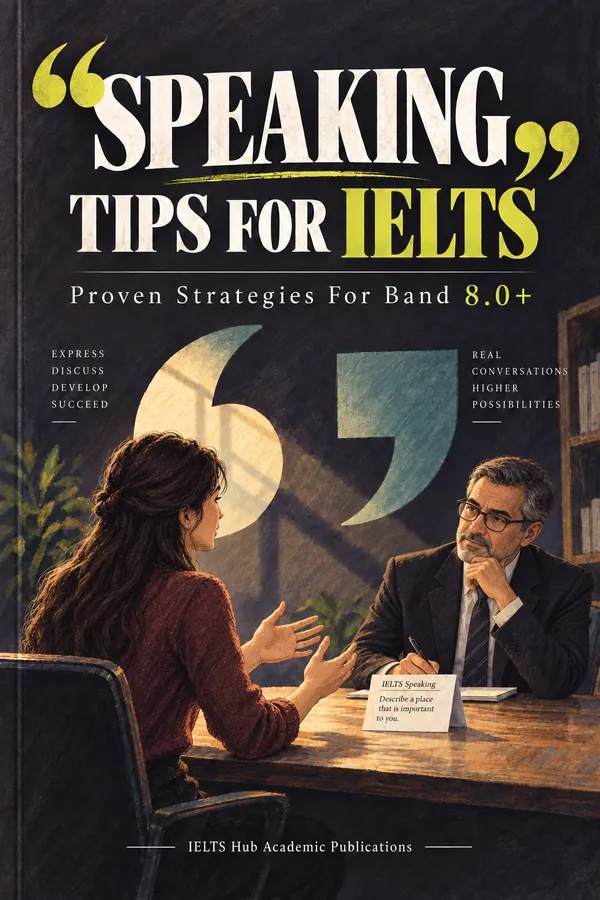
Speaking
Speaking Tips for IELTS
Proven Strategies for Band 8.0+
₹299$9.99CAD 13.99AUD 14.99£7.99NZD 16.99€8.99AED 39SGD 12.99
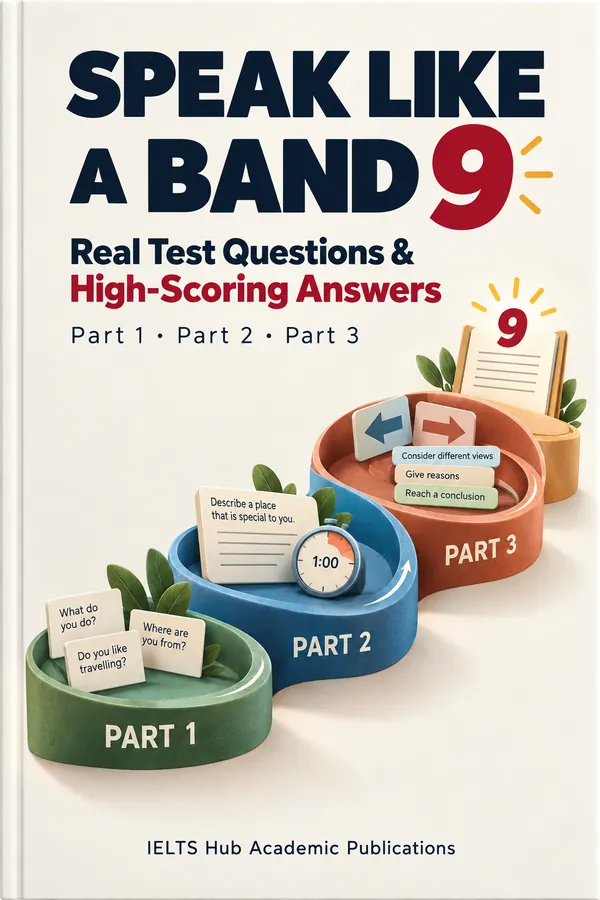
Speaking
Speak Like a Band 9
Real Test Questions & High-Scoring Answers
₹299$9.99CAD 13.99AUD 14.99£7.99NZD 16.99€8.99AED 39SGD 12.99