Speaking test #769
Part 1 · Interview
4 to 5 minutes. The examiner asks about you and familiar topics.
Can you tell me your full name?
Where are you from?
Do you work or are you a student?
Do you often send emails?
Oh yeah, I send emails all the time. It's a pretty convenient way to communicate, especially when you're not in the same location as the person you're trying to reach.
When would you send emails to others?
I mostly send emails for work-related things, but I also send emails to friends and family. I'll send an email if I need to make plans, or if I just want to catch up with someone.
Is sending emails popular in China?
Yes, sending emails is definitely popular in China. It's a great way to keep in touch with people who are far away, and it's also a professional way to communicate in the workplace.
Do you think sending emails will be more or less popular in the future?
I think sending emails will always be popular in some way or another. Sure, newer technologies like instant messaging or social media might make it less popular, but people will still use email because it's a tried and true way of communicating.
Do you have a pet?
? Oh yeah, I have a cat named Simba. He's a total diva, but I love him all the same.
What animal is most popular in your country?
? I'd say dogs are probably the most popular animal in my country. They're just so loyal and loving, and there are so many different breeds to choose from.
Why is it so special?
? I think dogs are special because they have a special bond with their owners. They're always there for you, no matter what, and they're always ready to cuddle and play. Plus, they're just so darn cute!
What animal do you dislike most? Why?
? Hmm, I'm not sure if I dislike any animal in particular. I guess if I had to choose, it would probably be snakes. They just seem so creepy and slimy to me, and I don't like the idea of them slithering around everywhere. But that's just my personal preference, I'm sure there are plenty of people out there who love snakes.
You will have to talk about the topic for one to two minutes. You have one minute to think about what you are going to say. You can make some notes to help you if you wish.
Describe an important day you celebrate in your country
You should say:
- What day is it
- How is it celebrated
- What does it signify or represent
- Why is it important to you and others
What day is it
In India, one of the most significant and widely celebrated days is Independence Day, which falls on the 15th of August every year. This day marks the country's freedom from British colonial rule in 1947. The entire nation participates in various festivities to commemorate this historic event.
How is it celebrated
Independence Day is celebrated with great zeal and patriotism across India. The day typically begins with the hoisting of the national flag by the Prime Minister at the Red Fort in Delhi, followed by parades, cultural performances, and flag-hoisting ceremonies in schools, offices, and residential areas. People dress in the tricolor of the Indian flag, sing patriotic songs, and watch fireworks displays in the evening.
What does it signify or represent
Independence Day signifies the hard-fought struggle and sacrifices made by freedom fighters to secure India's independence. It symbolizes the unity, diversity, and resilience of the Indian people in their quest for self-governance and democracy. The day serves as a reminder of the values of freedom, democracy, and equality that form the foundation of the Indian constitution.
Why is it important to you and others
Independence Day holds immense importance not only to me but to every Indian citizen. It instills a sense of pride, unity, and national identity among the people. It is a day to reflect on the progress made since independence and to renew our commitment to upholding the principles of democracy and secularism. Overall, Independence Day is a time for celebration, reflection, and reiteration of our collective pledge to build a strong and inclusive India.
- Words
- 242
- Sentences
- 13
- Words per sentence
- 18.6
- Speaking time
- about 1.9 min
Counted at 130 words a minute. The exam gives you one to two minutes.
Part 3 · Discussion
4 to 5 minutes. The examiner asks broader questions linked to the cue card topic.
How are the celebrations of special days in your country different from those in other cultures?
Celebrations of important days in my country often reflect our unique history and traditions, which can differ significantly from those in other cultures. For instance, during our national holiday, we have vibrant parades and fireworks, showcasing our cultural heritage and unity. In contrast, I’ve noticed that some cultures may focus more on family gatherings or religious observances during their significant days, emphasizing a sense of community bonding. Additionally, the food and customs associated with these celebrations can vary widely; for example, while we might indulge in traditional dishes specific to our region, others may have entirely different culinary traditions that play a crucial role in their festivities. It's fascinating to see how these differences enrich our understanding of each other and foster a sense of global cultural appreciation.
Some people think that old celebrations matter less today. What do you think about this?
I can see why some people think traditional celebrations are losing their significance in today’s fast-paced world. However, I believe that while the way we celebrate may evolve, the essence of these traditions remains important. Many individuals still cherish these occasions as a way to strengthen family bonds and foster community spirit. Moreover, in a time when technology often isolates us, these celebrations give us a chance to connect with our roots and share meaningful experiences. So, I think traditional celebrations will always hold a special place in our hearts, even as they adapt to contemporary life.
How do major celebrations help build community and national identity?
Important celebrations play a crucial role in fostering both community and national identity by bringing people together and instilling a sense of shared values and traditions. These events, whether they are cultural festivals, national holidays, or religious observances, create opportunities for individuals to connect with one another, which can strengthen social bonds. For example, during celebrations like Independence Day or Christmas, families and friends gather, reinforcing the idea of unity and belonging, which is essential for a cohesive society. Moreover, these occasions often highlight a nation's history and achievements, allowing individuals to take pride in their heritage and feel a part of something larger than themselves. In this way, celebrations not only commemorate significant events but also serve as a platform for fostering a sense of community spirit and national pride.
Why do you think some days are picked to be celebrated as special events in your country?
In my country, certain days are designated as important occasions for a variety of reasons, primarily rooted in our history and cultural heritage. For instance, national holidays often commemorate significant events, such as independence or pivotal moments that shaped our identity. These celebrations serve as a way to foster a sense of community and national pride, allowing people to come together and reflect on their shared values and collective history. Additionally, many festivals are tied to religious or agricultural practices, which connect us to our traditions and the cycles of nature. Overall, these special days are not just about marking time; they encourage individuals to appreciate their heritage and promote social cohesion.
How could the ways we celebrate important days change in the future?
I think the celebration of important days is bound to evolve significantly in the future, largely due to technological advancements and changing societal values. For instance, we might see a shift towards more digital celebrations, where people from all over the world can connect virtually, sharing experiences through immersive technologies like virtual reality. Additionally, as environmental concerns become more pressing, there could be a movement towards sustainable celebrations, where emphasis is placed on reducing waste and minimizing the carbon footprint of events. Moreover, with the rise of globalization, we might witness a fusion of cultural traditions, leading to new, hybrid ways of celebrating that incorporate elements from different cultures. This evolution could make celebrations even more inclusive and diverse, allowing people to engage in a richer tapestry of traditions. Overall, I believe these changes will not only enhance our experiences but also foster a deeper sense of global community.
What steps can be taken to make sure traditional celebrations are kept for future generations?
To ensure that traditional celebrations are preserved for future generations, it’s crucial to foster a sense of cultural appreciation among young people. Educational institutions can play a pivotal role by incorporating lessons about these traditions into the curriculum, perhaps through interactive activities or community projects. Additionally, local governments can support festivals and events that celebrate these traditions, making them more accessible and engaging for families. Social media also presents a fantastic opportunity to showcase these celebrations, enticing younger audiences to participate and share their experiences. Ultimately, by combining education, community involvement, and modern technology, we can create a vibrant tapestry of traditions that will continue to thrive.
Go further with the books
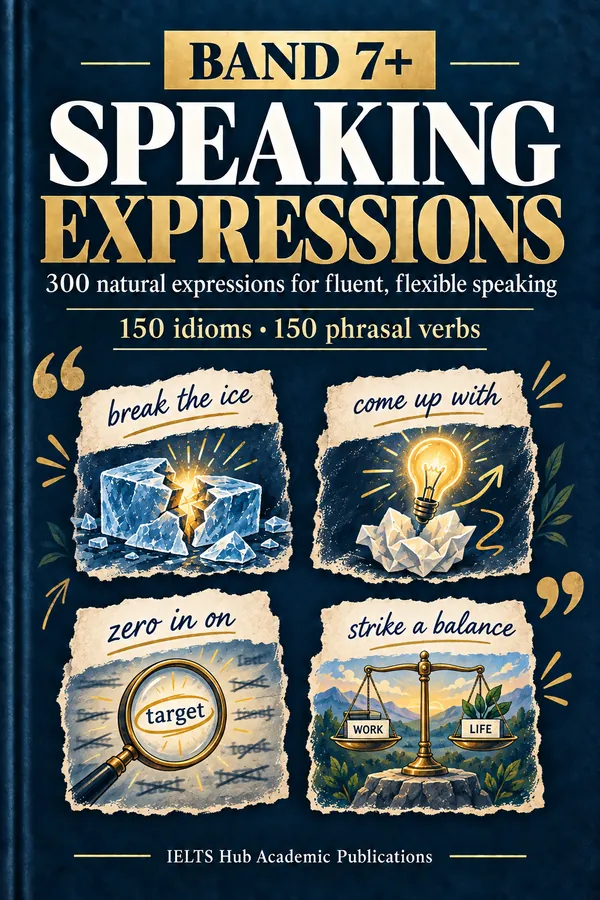
Speaking
Band 7+ Speaking Expressions
300 natural expressions for fluent, flexible speaking
₹199$6.99CAD 8.99AUD 9.99£4.99NZD 10.99€5.99AED 24SGD 8.99

Speaking
Speaking Tips for IELTS
Proven Strategies for Band 8.0+
₹299$9.99CAD 13.99AUD 14.99£7.99NZD 16.99€8.99AED 39SGD 12.99

Speaking
Speak Like a Band 9
Real Test Questions & High-Scoring Answers
₹299$9.99CAD 13.99AUD 14.99£7.99NZD 16.99€8.99AED 39SGD 12.99