Speaking test #774
Part 1 · Interview
4 to 5 minutes. The examiner asks about you and familiar topics.
Can you tell me your full name?
Where are you from?
Do you work or are you a student?
What kinds of flowers do you like?
Oh, I absolutely adore flowers! My favorites are probably roses and peonies. **They're both so elegant and romantic, don't you think**?
Are there any flowers that have special meanings in your country (India)?
In India, there are quite a few flowers that hold significant meanings. For example, marigolds are often used in religious ceremonies, and lotus flowers are said to symbolize purity and enlightenment.
Have you planted any flowers?
I have, actually! I have a little flower garden in my backyard where I grow all sorts of different blooms. It's such a nice way to add some color and life to my outdoor space.
Have you sent flowers to anyone?
I have! I think sending flowers is such a thoughtful gesture, so I try to do it whenever I know someone needs a little pick-me-up. It's a nice way to show you care and spread a little bit of happiness.
Have you ever tried foreign food?
Oh absolutely, I love exploring different cuisines from around the world. Trying new foods is one of my favourite things to do when I travel.
Do you like to try new food?
Definitely, I have an adventurous palate and I always enjoy trying new dishes and experimenting with different flavours.
What kind of new food have you tried recently?
Well, recently I had the opportunity to try some traditional Ethiopian cuisine and it was an absolutely amazing experience. The combination of spices and unique ingredients was something truly special.
What kind of foreign foods is popular in your country?
In my country, we have a huge diversity of foreign foods that are popular. Chinese, Italian, Indian, and Thai are some of the most popular options. But, in recent years we have also seen a lot of interest in more unconventional cuisines like Peruvian and Nigerian food. It's really exciting to see people's palates expand and embrace new flavours.
You will have to talk about the topic for one to two minutes. You have one minute to think about what you are going to say. You can make some notes to help you if you wish.
Describe a person who once apologised to you
You should say:
- Who the person was
- What they did that required an apology
- How they apologized to you
- How you felt about their apology
Who the person was
In a culture where apologizing is sometimes viewed as a sign of weakness, I vividly remember an incident when my cousin, Ravi, mustered the courage to apologize to me. Ravi and I have always shared a close bond since childhood, but a disagreement over a trivial matter led to a heated argument between us.
What they did that required an apology
The incident occurred during a family gathering when Ravi made a sarcastic comment about my choice of career path, which deeply offended me. His words struck a nerve as I had been struggling with self-doubt about my career choices. The insensitive remark not only hurt me emotionally but also strained our relationship.
How they apologized to you
Realizing the impact of his words, Ravi took me aside after the event and genuinely apologized for his thoughtless comment. He expressed remorse for his insensitivity and acknowledged the hurt he had caused me. His sincere apology was accompanied by a heartfelt explanation of his intentions, which helped me understand that his words were not meant to be hurtful.
How you felt about their apology
Despite the initial hurt I felt, I was deeply touched by Ravi's humility and willingness to admit his mistake. His apology not only repaired our relationship but also strengthened our bond as we both learned the importance of empathy and tact in communication. Ravi's sincere apology served as a reminder of the value of acknowledging and rectifying our mistakes, ultimately fostering a deeper level of understanding and respect between us.
- Words
- 235
- Sentences
- 11
- Words per sentence
- 21.4
- Speaking time
- about 1.8 min
Counted at 130 words a minute. The exam gives you one to two minutes.
Part 3 · Discussion
4 to 5 minutes. The examiner asks broader questions linked to the cue card topic.
How can an apology affect personal relationships differently than professional ones?
That's a fascinating question! In personal relationships, an apology often carries a deeply emotional weight; it can mend rifts and foster a sense of trust and understanding. When someone we care about acknowledges their mistakes, it can lead to a profound sense of healing, allowing both parties to move forward with renewed bonding. In contrast, in professional relationships, while an apology remains important, its impact tends to be more about maintaining professional integrity and workplace harmony. A sincere apology in a work environment can help to preserve a collaborative atmosphere, but it may not always lead to the same emotional resolution as in personal ties. Ultimately, the context greatly influences how an apology is perceived and received in different types of relationships.
How important is it for people to say sorry when they have done something wrong?
Apologizing when we make a mistake is incredibly important, as it reflects our sense of responsibility and emotional intelligence. When we acknowledge our errors, it not only helps to mend relationships but also fosters a culture of understanding and trust. In many cases, a sincere apology can diffuse tension and pave the way for constructive dialogue, which is essential in both personal and professional settings. However, the necessity of an apology can vary depending on the severity of the mistake; minor errors might not warrant a formal apology, while significant transgressions often require a heartfelt acknowledgment to truly make amends. In essence, while not every mistake demands an apology, taking the time to express regret when it's warranted can have a profound impact on our interactions with others.
How do apologies help keep relationships healthy?
Apologies are absolutely vital in maintaining healthy relationships. They serve as a bridge to mend any rifts that may arise due to misunderstandings or hurt feelings. When someone offers a heartfelt apology, it not only expresses remorse but also demonstrates respect for the other person's feelings, which can significantly enhance trust and foster deeper connections. Moreover, acknowledging one’s mistakes can lead to personal growth and a stronger bond, as it shows a willingness to learn and improve. In essence, apologies can really be the glue that holds relationships together, allowing both parties to move forward positively.
Why do you think some people struggle to say sorry?
I believe there are a few reasons why some individuals struggle to offer an apology. For one, admitting fault can be incredibly challenging, as it often makes people feel vulnerable or exposed. They might fear the repercussions of their actions, worrying that an apology could lead to further conflict or damage to their relationships. Additionally, pride plays a significant role; some people may feel that apologizing undermines their authority or self-image. Ultimately, it may boil down to a lack of emotional intelligence, where individuals simply don’t recognize the importance of taking responsibility for their actions.
What differences could happen in how society views apologies in the future?
In the future, I believe we might see a significant shift in societal attitudes towards apologies, particularly as communication evolves in our increasingly digital world. With the rise of social media, public figures are often held accountable for their actions, leading to a growing expectation for them to offer genuine apologies. This could foster a culture where individuals feel more inclined to express remorse publicly, recognizing the importance of accountability. On the other hand, as people become more aware of the nuances of mental health, we might also see a trend towards mindful apologies, where individuals take the time to truly understand the impact of their actions before expressing regret. Overall, I think the future will bring a more nuanced approach to apologies, balancing the need for sincerity with an understanding of personal and societal contexts.
What can people do to create a culture of responsibility and honesty in their communities?
To foster a culture of accountability and openness in communities, individuals can start by promoting open dialogue. This means encouraging conversations where everyone feels comfortable expressing their thoughts and concerns without fear of judgment. Additionally, leading by example is crucial; when people demonstrate integrity and take responsibility for their actions, it sets a powerful precedent for others. Organizing community forums or workshops can also facilitate this cultural shift, providing a platform for discussion and collaboration. Ultimately, it’s about creating an environment where transparency is valued, and everyone feels empowered to contribute positively.
Go further with the books
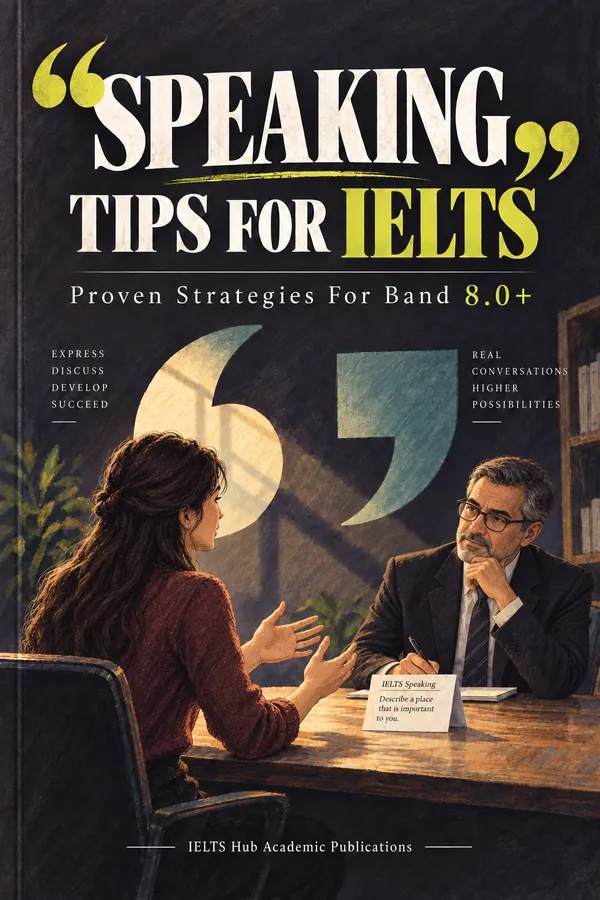
Speaking
Speaking Tips for IELTS
Proven Strategies for Band 8.0+
₹299$9.99CAD 13.99AUD 14.99£7.99NZD 16.99€8.99AED 39SGD 12.99
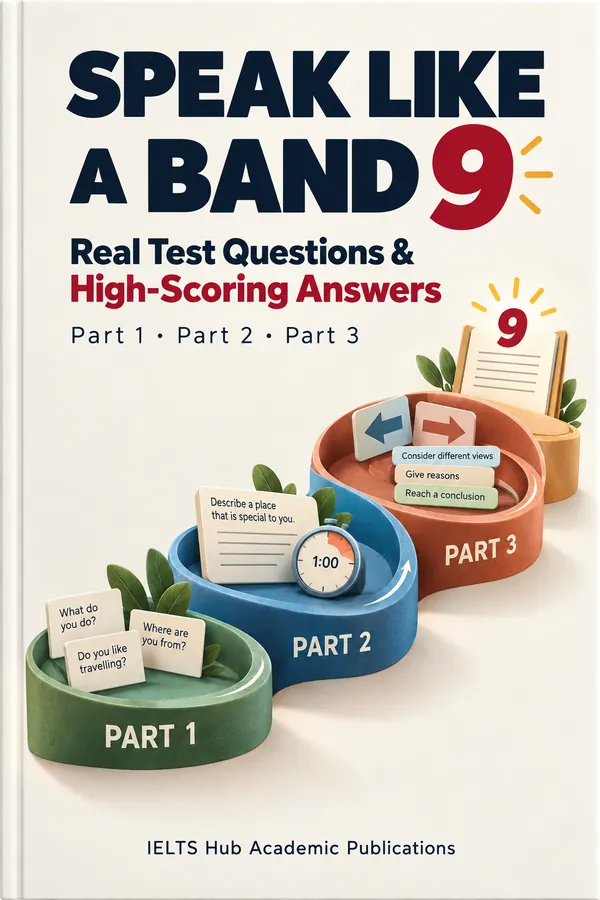
Speaking
Speak Like a Band 9
Real Test Questions & High-Scoring Answers
₹299$9.99CAD 13.99AUD 14.99£7.99NZD 16.99€8.99AED 39SGD 12.99

Speaking
Band 7+ Speaking Expressions
300 natural expressions for fluent, flexible speaking
₹199$6.99CAD 8.99AUD 9.99£4.99NZD 10.99€5.99AED 24SGD 8.99