Speaking test #777
Part 1 · Interview
4 to 5 minutes. The examiner asks about you and familiar topics.
Can you tell me your full name?
Where are you from?
Do you work or are you a student?
Do you have a lot of furniture in your home?
Yes, I would say that we have a fair amount of furniture in our home. We have all the basic pieces such as a bed, couch, dining table, and chairs. Additionally, we also have some accent pieces like a bookshelf and a coffee table. Overall, I would say that our home is comfortably furnished.
Has anyone ever bought furniture for you?
Yes, my parents have bought furniture for me in the past. Specifically, they purchased my bed and my bookshelf when I moved into my own place for the first time. It was very generous of them and I really appreciate it.
What kind of furniture would you like to buy?
I would love to buy a beautiful, handcrafted wooden rocking chair. I think it would be the perfect addition to our living room and would be a great place to relax and read a book.
Which furniture do you like best in your home?
I am particularly fond of our couch. It is a plush, velvet sectional and it is incredibly comfortable. It is the perfect spot to unwind and relax after a long day. Additionally, its soft velvet material, makes it look and feel luxurious and refined.
What job would you like to have ten years from now?
I would like to have a senior management position in a multinational corporation, ideally in the field of sustainability and corporate social responsibility. I have always been passionate about making a positive impact on the environment and society, and I believe that this role would allow me to do so on a global scale.
How useful will English be for your future?
English is going to be extremely useful for my future, as it is considered to be the global language of business and commerce. As I aspire to work in a multinational corporation, being fluent in English will be a huge asset in terms of communicating with colleagues and clients from all over the world. Additionally, English is also widely spoken in many countries, which will facilitate my ability to travel and work abroad.
How much travelling do you hope to do in the future?
I hope to do a significant amount of travelling in the future, both for personal and professional reasons. I believe that travelling is a great way to gain new perspectives, learn about different cultures, and expand one's horizons. I also see travelling as an opportunity to network and establish connections with people from all over the world.
How do you think your life will change in the future?
I think that my life will change significantly in the future, as I will hopefully be achieving many of my career and personal goals. I anticipate that I will have more financial stability and independence, as well as greater opportunities to travel and experience different cultures. Additionally, I believe that I will have a greater sense of purpose and fulfillment, as I will be doing work that I am truly passionate about. Overall, I am excited about the potential changes that the future holds.
You will have to talk about the topic for one to two minutes. You have one minute to think about what you are going to say. You can make some notes to help you if you wish.
Describe a time when someone got angry with you
You should say:
- Who the person was
- What led to the person getting angry
- How you handled the situation
- What was the outcome of the situation
I vividly remember a time when my best friend, Riya, got angry with me. Riya and I have been close friends since childhood, sharing countless memories and experiences. The incident occurred during a group project we were working on for our college assignment.
The tension began to build when I missed an important meeting for the project due to a family emergency. This led to a delay in our progress, causing Riya to take on more work to compensate for my absence. As a result, she felt overwhelmed and stressed, leading to her outburst of anger towards me.
Understanding the gravity of the situation, I immediately reached out to Riya to apologize sincerely and explain the circumstances that led to my absence. I assured her that I would put in extra effort to make up for the lost time and contribute more effectively to the project moving forward. I also offered to help her with the additional workload she had taken on.
Fortunately, my apology and willingness to take responsibility for my mistake helped calm Riya down. We had an open and honest conversation about our roles in the project and how we could work together more efficiently in the future. By the end of our discussion, Riya appreciated my honesty and efforts to make amends, and we were able to resolve the issue amicably.
In the end, our project turned out to be a success, thanks to our improved communication and teamwork. The incident served as a learning experience for both of us, highlighting the importance of effective communication, understanding, and support in maintaining strong relationships, even in challenging situations. Riya's initial anger eventually turned into a stronger bond of trust and mutual respect between us.
- Words
- 287
- Sentences
- 15
- Words per sentence
- 19.1
- Speaking time
- about 2.2 min
Counted at 130 words a minute. The exam gives you one to two minutes.
Part 3 · Discussion
4 to 5 minutes. The examiner asks broader questions linked to the cue card topic.
How can people's responses change when they are angry at someone else?
People's reactions to anger can vary widely based on their personalities and the context of the situation. Some might choose to confront the person directly, expressing their feelings in a straightforward manner, which can sometimes lead to a beneficial resolution. On the other hand, there are those who might opt for a more passive-aggressive approach, where they mask their anger with sarcasm or subtle digs. Additionally, some individuals may internalize their anger, leading to feelings of resentment or even physical symptoms like stress. Ultimately, how one reacts to anger often reflects their emotional intelligence and coping mechanisms, which can significantly impact their relationships.
Why do people react differently when others are angry?
People's reactions to anger can vary widely, and this is often influenced by a multitude of factors. For instance, personal experiences play a significant role; someone who has faced anger frequently in their life might become more resilient, while another who is less accustomed to it may feel overwhelmed. Additionally, cultural background can shape how individuals perceive and respond to anger—some cultures may encourage confrontation, whereas others promote avoidance. Emotional intelligence also comes into play; those with a higher capacity for empathy might respond more thoughtfully, while others might react defensively. Ultimately, it's a fascinating interplay of psychological factors and individual circumstances that dictates how we react to anger from others.
How important is it to know why someone is angry in personal or work situations?
Understanding the reasons behind someone's anger is incredibly significant, both in personal and professional contexts. When we take the time to delve into the underlying causes of anger, we foster a sense of empathy and mutual respect, which can lead to more constructive communication. In personal relationships, it can help to resolve conflicts and strengthen bonds, while in a professional setting, it can improve teamwork and collaboration. Moreover, addressing the root causes of anger can prevent future misunderstandings, creating a more harmonious environment overall. Ultimately, when we grasp the motivations behind someone’s emotional reactions, we not only enhance our relationships but also promote a culture of understanding and support.
Why do you think some people show their anger more openly than others?
That's a fascinating question! I think the way people express their anger often stems from their individual background and personal experiences. Some individuals may have been raised in environments where open expression of emotions was encouraged, leading them to feel comfortable voicing their frustrations without hesitation. On the other hand, others might have been taught to suppress their feelings, which can create a sense of internal conflict. Additionally, cultural factors play a significant role; in some cultures, expressing emotions openly is seen as a sign of strength, while in others, it might be viewed as a weakness. Ultimately, it all comes down to a complex interplay of personal, cultural, and social influences!
How would communication change if people were better at controlling their anger?
If people became more adept at managing their anger, I believe we would witness a significant shift in the dynamics of communication. For starters, conversations would likely become more constructive rather than confrontational. When individuals are able to express their feelings without resorting to hostility, it fosters an environment where genuine dialogue can thrive. This could lead to better problem-solving, as people would be open to listening and considering different perspectives. Furthermore, such emotional intelligence not only enhances personal relationships but also promotes a more harmonious society overall. In essence, mastering anger management could transform conflicts into opportunities for understanding and growth.
What actions can help make communication better and lessen misunderstandings that cause anger?
To improve communication and reduce misunderstandings that often lead to anger, several steps can be taken. Firstly, it's essential to foster an environment where open dialogue is encouraged; this means actively listening and giving others the opportunity to express their thoughts without interruption. Secondly, utilizing clear and precise language can significantly diminish the chances of misinterpretation, so it’s beneficial to be consciously aware of the words we choose. Additionally, practicing empathy is crucial; putting oneself in another person's shoes can help in understanding their perspective and emotions better. Finally, setting aside time for regular check-ins can help to clarify any potential issues before they escalate into conflicts. Overall, these steps can create a more harmonious atmosphere and enhance interpersonal relationships.
Go further with the books

Speaking
Band 7+ Speaking Expressions
300 natural expressions for fluent, flexible speaking
₹199$6.99CAD 8.99AUD 9.99£4.99NZD 10.99€5.99AED 24SGD 8.99
Speaking
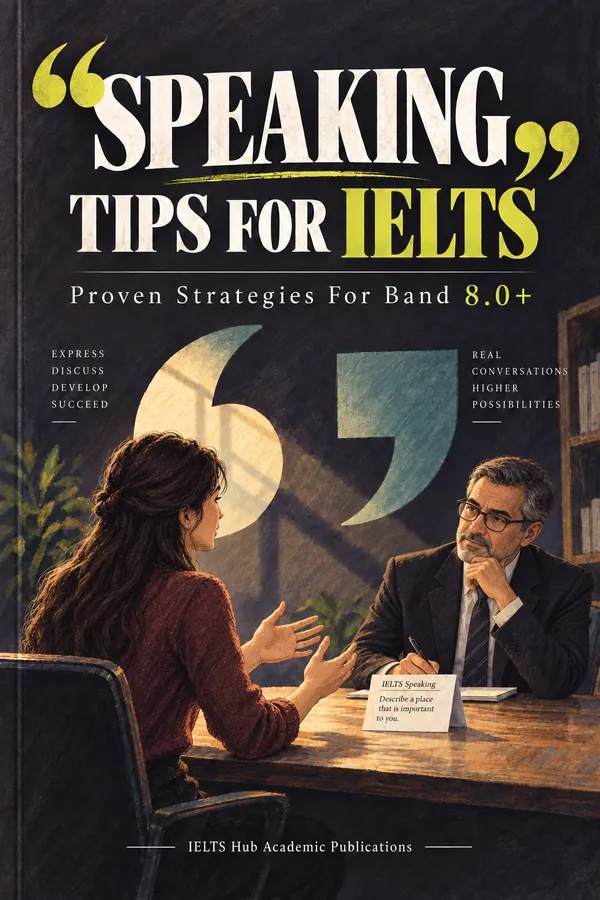
Speaking Tips for IELTS
Proven Strategies for Band 8.0+
₹299$9.99CAD 13.99AUD 14.99£7.99NZD 16.99€8.99AED 39SGD 12.99
Speaking
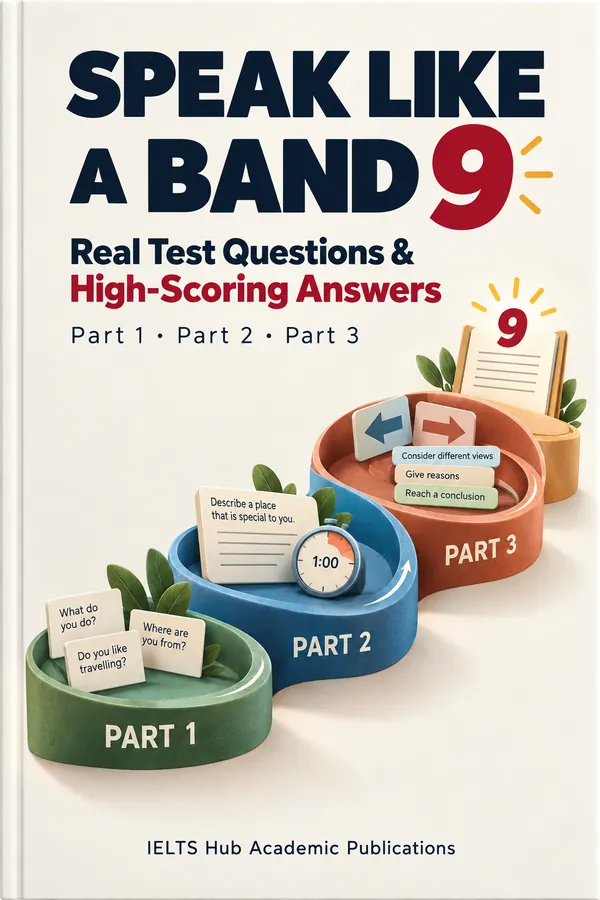
Speak Like a Band 9
Real Test Questions & High-Scoring Answers
₹299$9.99CAD 13.99AUD 14.99£7.99NZD 16.99€8.99AED 39SGD 12.99