Speaking test #785
Part 1 · Interview
4 to 5 minutes. The examiner asks about you and familiar topics.
Can you tell me your full name?
Where are you from?
Do you work or are you a student?
Do you have any hobbies?
Yes, I have a few hobbies. I love to read, write, and play sports. I also enjoy traveling and trying new foods.
Is it important to have a hobby?
Yes, I believe it is important to have a hobby. Hobbies allow us to relax, escape from our daily routines, and pursue something that we are passionate about. They can also be a source of inspiration and creativity.
Is it harmful to spend too much time on a hobby?
I don't think it is harmful to spend a lot of time on a hobby as long as it is not negatively impacting other areas of our lives. However, it is important to maintain a balance and not neglect our responsibilities or relationships.
What free-time activities would you like to try in the future?
In the future, I would like to try learning a new language, playing a musical instrument, and volunteering in my community. I also have a dream of one day traveling to Japan to experience their culture and try sushi-making classes.
Where did you go for your last holiday?
I went to Bali for my last holiday. It was absolutely breathtaking, with beautiful beaches and lush green rice paddies. The culture there was also incredibly rich and fascinating, with traditional dances and ceremonies taking place all over the island.
Do you like holidays? Why?
I absolutely love holidays. They provide a much-needed break from the daily grind and give me the opportunity to explore new places, try new foods, and experience different cultures. **Plus, who doesn't love a good vacation**?
Which public holiday do you like best?
My favorite public holiday is Christmas. I love the festive atmosphere and the spirit of giving that comes with it. Plus, it's a great excuse to spend time with family and friends and indulge in some delicious food.
What do you do on holidays?
On holidays, I like to explore the local area and immerse myself in the culture. I'll often go on guided tours or take part in local activities, such as hiking, cooking classes, or even traditional dances. I also like to relax and unwind, so I'll often spend time at the beach or by the pool.
You will have to talk about the topic for one to two minutes. You have one minute to think about what you are going to say. You can make some notes to help you if you wish.
Describe your idea of making a good first impression
You should say:
- What actions or behaviors you believe contribute to a good first impression
- Why you think making a good first impression is important
- A personal experience where you successfully made a good first impression
- Tips for others on how to make a positive first impression
What actions or behaviors you believe contribute to a good first impression
Making a good first impression is crucial in Indian culture as it sets the tone for future interactions. Several actions and behaviors can contribute to a positive first impression, such as maintaining good eye contact, offering a warm smile, and active listening. These non-verbal cues convey sincerity, respect, and attentiveness, which are highly valued in our society.
Why you think making a good first impression is important
I believe making a good first impression is important because it lays the foundation for building trust and rapport with others. In Indian culture, relationships are highly valued, and a positive initial interaction can lead to long-lasting connections. Whether in personal or professional settings, a good first impression can open doors to opportunities and create a favorable perception of oneself.
A personal experience where you successfully made a good first impression
One personal experience where I successfully made a good first impression was during a job interview. By dressing professionally, speaking confidently, and showcasing my skills, I was able to impress the interview panel. This initial positive impression helped me secure the job and build a strong relationship with my colleagues and superiors.
Tips for others on how to make a positive first impression
For those looking to make a positive first impression, I would recommend being authentic, showing genuine interest in others, and being mindful of body language. Additionally, practicing good hygiene, dressing appropriately, and being punctual can also leave a lasting impact. Remember, a good first impression is not just about what you say, but also how you present yourself and engage with others.
- Words
- 231
- Sentences
- 12
- Words per sentence
- 19.3
- Speaking time
- about 1.8 min
Counted at 130 words a minute. The exam gives you one to two minutes.
Part 3 · Discussion
4 to 5 minutes. The examiner asks broader questions linked to the cue card topic.
How can making a good first impression be different in different cultures?
Making a good first impression can vary significantly across cultures, and it's fascinating to see how these differences manifest. For instance, in many Western cultures, a firm handshake and direct eye contact are often seen as signs of confidence and honesty. However, in some Asian cultures, such gestures can be perceived as overly aggressive or disrespectful, where a more subtle approach, such as a gentle bow, is preferred. Additionally, the importance of personal space can differ; while some cultures embrace close proximity during conversations, others value a respectful distance. Understanding these nuances is crucial, as it helps foster cross-cultural communication and ensures that we don't inadvertently offend someone during those initial interactions. Overall, being mindful of these cultural variations can significantly enhance our interpersonal relationships and allow us to connect more meaningfully with others.
Some people think that first impressions aren't as important as they seem. What do you think about this idea?
I can see why some people might think that first impressions are overrated, but I believe they hold significant weight in our interactions. First impressions often shape our initial perceptions and can influence our subsequent behavior towards someone. For instance, a warm smile or confident demeanor can create a sense of trust and openness right from the start. However, it’s also essential to recognize that first impressions can be misleading; they don't always reflect a person's true character or capabilities. In a world where we’re constantly meeting new people, I think it’s wise to strike a balance—acknowledging the impact of first impressions while remaining open to deeper understanding as relationships develop.
How important do you think making a good first impression is at work?
A good first impression in professional settings is incredibly significant, as it often sets the tone for future interactions. When you meet someone for the first time, they quickly form perceptions based on your demeanor, attire, and communication style. This initial evaluation can greatly influence opportunities, whether it's securing a job, building a network, or even fostering collaborations. Moreover, a strong first impression can convey confidence and competence, which are crucial traits in any professional environment. In today’s competitive job market, being able to make a lasting impact from the outset can truly give you an edge over others.
Why do you think people pay a lot of attention to first impressions when they meet someone new?
People often place a significant emphasis on first impressions because these initial encounters can set the tone for future interactions. Our brains are wired to process information quickly, and first impressions can provide a sort of mental shortcut, helping us to categorize others based on their appearance, body language, and tone of voice. This tendency is deeply rooted in human psychology, as it can be crucial for forming social bonds and assessing trustworthiness. Additionally, in today's fast-paced world, where interactions can be fleeting, making a strong first impression can be vital for establishing connections, whether in personal relationships or professional settings. Ultimately, we all crave that sense of connection and understanding, and first impressions are often the gateway to that.
How could the way we make a good first impression change in the future as social norms shift?
That's a fascinating question! As social norms continuously shift, I believe that the way we make a good first impression will also undergo significant transformation. For instance, with the rise of digital communication, virtual interactions are becoming more prevalent. This means that people might focus more on their online presence, such as social media profiles, to convey authenticity and personality. Additionally, I can see a trend towards valuing diversity and inclusivity, where first impressions may increasingly hinge on understanding and appreciating different cultures and backgrounds, rather than adhering to traditional standards. Ultimately, as our society becomes more interconnected, the nuances of making a good first impression will likely become richer and more complex.
What can people do to make a better first impression in social situations?
To enhance their first impression in social situations, individuals can adopt a few effective strategies. Firstly, maintaining eye contact conveys confidence and interest, which can make a significant difference in how one is perceived. Additionally, offering a genuine smile can create a warm atmosphere, fostering a sense of approachability. Another key strategy is to practice active listening; this not only shows respect but also encourages meaningful conversations. Lastly, dressing appropriately for the occasion can help individuals feel more confident and leave a lasting impression. Overall, it’s all about being authentic and engaging with others in a positive way!
Go further with the books
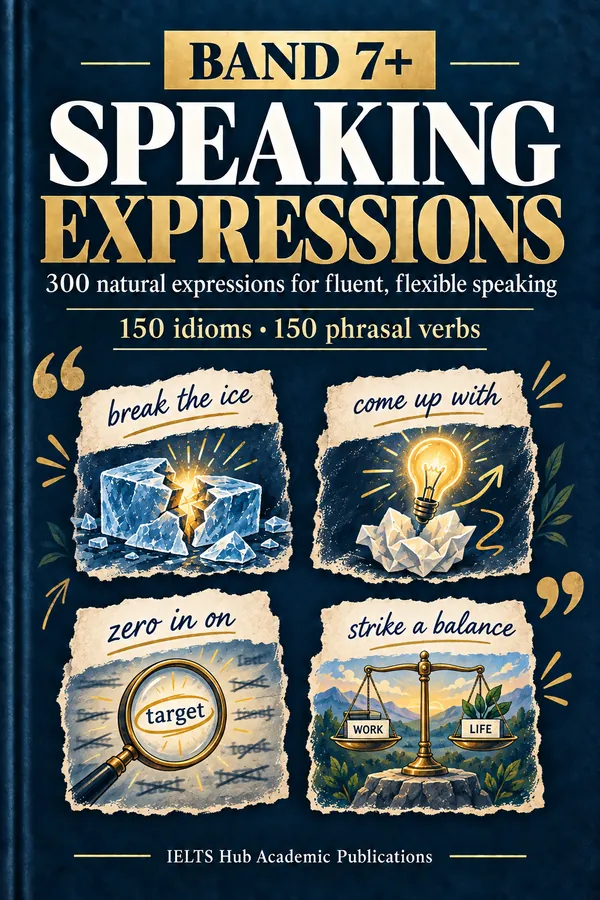
Speaking
Band 7+ Speaking Expressions
300 natural expressions for fluent, flexible speaking
₹199$6.99CAD 8.99AUD 9.99£4.99NZD 10.99€5.99AED 24SGD 8.99
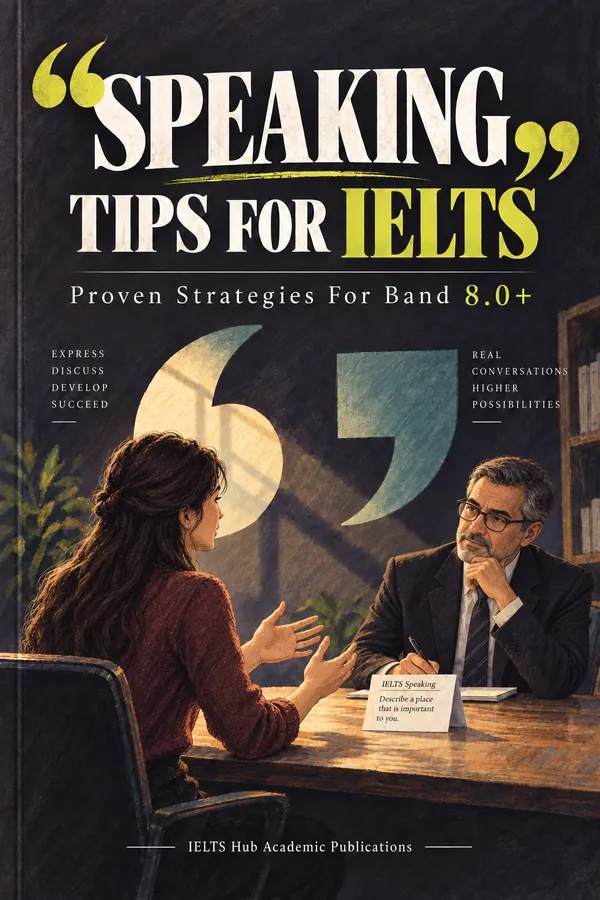
Speaking
Speaking Tips for IELTS
Proven Strategies for Band 8.0+
₹299$9.99CAD 13.99AUD 14.99£7.99NZD 16.99€8.99AED 39SGD 12.99
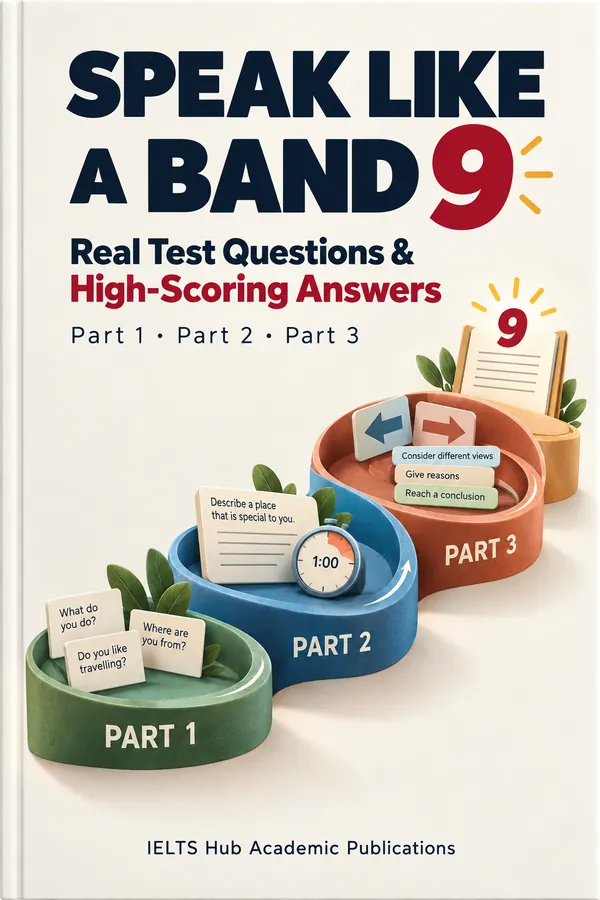
Speaking
Speak Like a Band 9
Real Test Questions & High-Scoring Answers
₹299$9.99CAD 13.99AUD 14.99£7.99NZD 16.99€8.99AED 39SGD 12.99