Speaking test #786
Part 1 · Interview
4 to 5 minutes. The examiner asks about you and familiar topics.
Can you tell me your full name?
Where are you from?
Do you work or are you a student?
Do you often use a bag?
Oh absolutely, I use a bag pretty much every day. It's such a convenient way to carry all my essentials around, whether it's for work, running errands, or even just a quick trip to the store.
What types of bag do you like?
I have a bit of a thing for backpacks, to be honest. I love the versatility and comfort of a good backpack, and they're just so practical for everyday use. That being said, I also really appreciate a nice tote bag or shoulder bag for more formal occasions.
Do you have different bags for different occasions?
Definitely. I have a few different backpacks that I use for different purposes - one for work, one for the gym, and one for travel. And then I have a couple of different tote bags and shoulder bags that I use for more formal occasions, like meetings or events.
What kind of bags would you like to own in the future?
I'm always on the lookout for new and interesting bags to add to my collection. Currently, I'm really into the idea of a nice messenger bag - something stylish but still practical for everyday use. I'm also considering investing in a high-quality leather briefcase for more professional settings. Ultimately, I just love bags that are functional and stylish, and that can adapt to a variety of different situations.
Do you live in a house or an apartment?
I live in a house. It's a spacious three-bedroom home with a large garden and a garage. I love the feeling of having my own private space, and the garden is a real bonus for me.
Which is your favourite room in your home? Why?
My favourite room in my home is my living room. It's a cozy and comfortable space that is perfect for relaxing and entertaining. I love the natural light that floods in through the large windows, and the fireplace adds a warm and inviting touch. Plus, the view of the garden is just beautiful.
Would you change anything about your home? Why / why not?
I wouldn't change anything major about my home as I am very content with it the way it is. However, I would love to have a bigger kitchen as I love to cook and entertain. But overall, I am very happy with my home and don't feel the need to change anything.
Would you like to move to a different home in the future?
I am currently very content with my current home, but I can't rule out the possibility of moving in the future. I would consider it if the opportunity arises for a better location or a larger space. But for now, I am very happy where I am.
You will have to talk about the topic for one to two minutes. You have one minute to think about what you are going to say. You can make some notes to help you if you wish.
Describe an event when someone denied your request
You should say:
- What was your request
- Who denied your request
- How did you react to the denial
- What did you learn from this experience
What was your request
I vividly recall an incident where my request for a day off from work was denied. I had requested a day off to attend my cousin's wedding, a significant family event that I didn't want to miss.
Who denied your request
The denial came from my immediate supervisor, who cited the heavy workload and upcoming deadlines as reasons for not being able to grant me the day off. Initially, I felt disappointed and frustrated by the refusal, as I had been looking forward to the wedding for months and felt that my absence would be noticed.
How did you react to the denial
Despite feeling disheartened, I decided to accept the decision gracefully and without argument. I understood that work responsibilities were paramount and that my absence could potentially disrupt the team's progress. Instead of dwelling on the denial, I focused on finding alternative ways to participate in the wedding celebration and support my cousin.
What did you learn from this experience
From this experience, I learned the importance of being flexible and understanding in the face of rejection. It taught me the value of prioritizing responsibilities and handling disappointment with maturity. This event helped me develop resilience and adaptability in navigating challenging situations, ultimately contributing to my personal and professional growth.
- Words
- 194
- Sentences
- 10
- Words per sentence
- 19.4
- Speaking time
- about 1.5 min
Counted at 130 words a minute. The exam gives you one to two minutes.
Part 3 · Discussion
4 to 5 minutes. The examiner asks broader questions linked to the cue card topic.
How do people from different cultures respond to requests in different ways?
That's a fascinating question! The way people respond to requests can really vary from one culture to another. For instance, in some cultures, people might be very direct and straightforward when saying yes or no, while in others, they might use more subtle cues or even indirect language to convey their feelings. In collectivist societies, there tends to be a greater emphasis on maintaining harmony, so individuals might be more inclined to agree, even if they don't fully mean it. On the other hand, in individualistic cultures, people often value honesty and might feel more comfortable declining requests outright. This diversity in communication styles can lead to some interesting misunderstandings, but it also enriches our interactions on a global scale!
Some people may feel uneasy when their requests are refused. What do you think about this?
Absolutely, it's completely natural for people to feel uncomfortable when their requests are turned down. After all, it can trigger feelings of rejection or inadequacy, which are never pleasant. However, I believe it's crucial to view these situations as opportunities for personal growth. When someone faces rejection, it can motivate them to reassess their approach and improve their communication skills. Moreover, learning how to handle disappointment gracefully can foster resilience, which is an invaluable trait in both personal and professional life. Ultimately, while initial discomfort is understandable, navigating these experiences can lead to greater emotional intelligence and stronger interpersonal relationships.
How can being able to say no to requests be important in personal relationships?
The ability to refuse requests is actually quite crucial in personal relationships for several reasons. Firstly, it fosters mutual respect; when you can assert your boundaries, it helps others understand your limits, which can strengthen the bond between individuals. Secondly, being able to say "no" prevents feelings of resentment from building up over time. If you constantly agree to things you’re uncomfortable with, it can lead to frustration and even conflict down the line. Lastly, this skill encourages honest communication, allowing both parties to share their needs and expectations openly, which is essential for a healthy relationship. Overall, mastering the art of refusal can lead to more authentic and fulfilling connections.
Why do you think some people are more likely to say no to requests than others?
That's an interesting question! I believe the tendency to deny requests often stems from a person's broad range of factors, including their personality traits and past experiences. For instance, individuals with strong assertiveness skills might feel more comfortable saying no, as they prioritize their own needs and boundaries. Conversely, those who are more accommodating may fear conflict or worry about disappointing others, which can lead them to agree to requests even when they wish to decline. Additionally, cultural influences play a significant role; some cultures emphasize collectivism, where people might feel obligated to help, while others value individualism, encouraging personal autonomy. Ultimately, it’s a fascinating interplay of personal and societal influences that shapes how we respond to requests!
How could changes in society affect how people respond to requests in the future?
That's a fascinating question! As society continues to evolve, especially with the rapid advancement of technology and shifts in cultural norms, I think we'll see a significant transformation in how people manage requests. For instance, as more communication occurs through digital platforms, individuals might become more accustomed to concise communication, leading to a preference for straightforward requests rather than lengthy explanations. Additionally, there’s a growing emphasis on empathy and understanding in interpersonal interactions, which could mean that people will be more attuned to the emotional implications of their requests and responses. Ultimately, as societal values shift, the way people engage with each other could become increasingly collaborative and respectful.
What ways can we improve communication when a request is turned down?
Improving communication when a request is denied is crucial to maintaining positive relationships and avoiding misunderstandings. One effective approach is to use a transparent explanation that clearly outlines the reasons behind the denial. This helps the individual feel heard and respected, rather than dismissed. Additionally, offering alternative solutions can turn a negative experience into a constructive one; for instance, suggesting a different option or timeline can show that you're still invested in finding a resolution. Lastly, fostering an atmosphere of open dialogue can encourage individuals to ask questions and express their feelings, making it easier to navigate the situation together. Ultimately, it's about ensuring the conversation remains respectful and collaborative.
Go further with the books
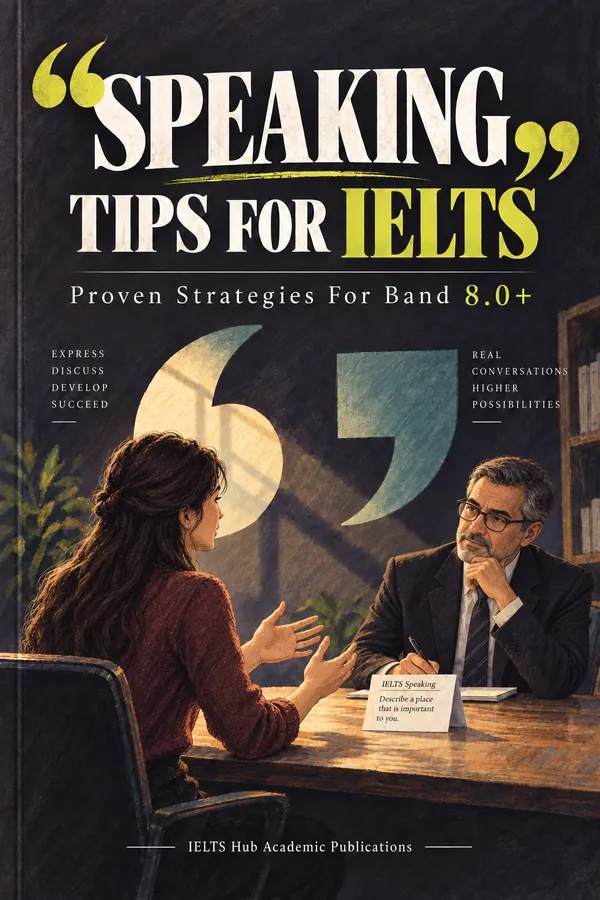
Speaking
Speaking Tips for IELTS
Proven Strategies for Band 8.0+
₹299$9.99CAD 13.99AUD 14.99£7.99NZD 16.99€8.99AED 39SGD 12.99
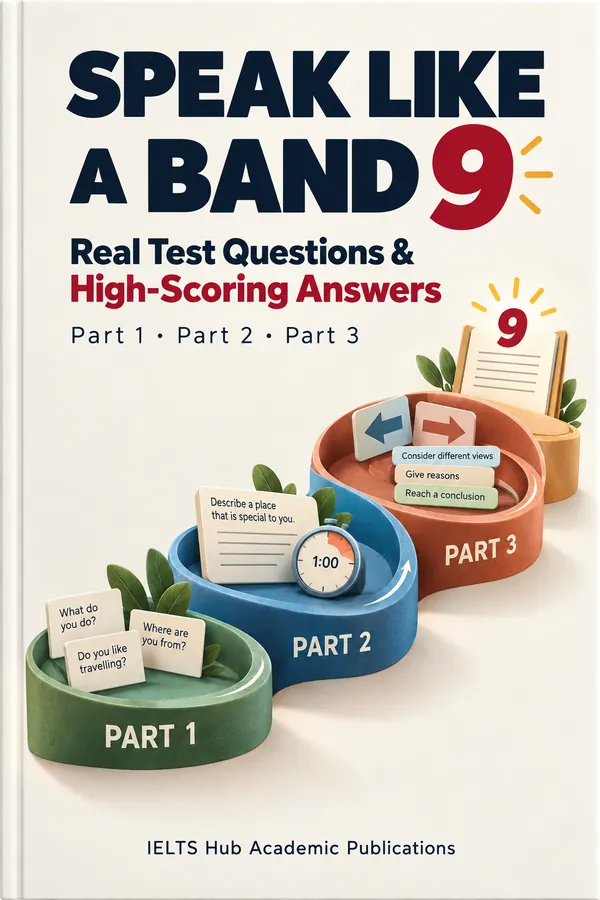
Speaking
Speak Like a Band 9
Real Test Questions & High-Scoring Answers
₹299$9.99CAD 13.99AUD 14.99£7.99NZD 16.99€8.99AED 39SGD 12.99

Speaking
Band 7+ Speaking Expressions
300 natural expressions for fluent, flexible speaking
₹199$6.99CAD 8.99AUD 9.99£4.99NZD 10.99€5.99AED 24SGD 8.99