Speaking test #788
Part 1 · Interview
4 to 5 minutes. The examiner asks about you and familiar topics.
Can you tell me your full name?
Where are you from?
Do you work or are you a student?
What's your favorite indoor activity?
My favorite indoor activity is definitely reading. I love getting lost in a good book and immersing myself in different worlds and characters. It's a great way to relax and unwind after a long day.
Do you prefer to play indoor games or outdoor games?
I really enjoy both indoor and outdoor games. Outdoor games are great for getting some fresh air and exercise, but indoor games can be just as fun and engaging. It really depends on my mood and the weather.
What indoor games did you play when you were a child?
When I was a child, I loved playing board games and card games with my family. We would often spend hours playing Monopoly, Scrabble, and Rummy. It was a great way to bond and spend time together.
What sorts of indoor games do children in your country play now?
Nowadays, children in my country seem to be more interested in playing video games and computer games. They also enjoy playing sports games and puzzle games. However, traditional indoor games like board games and card games are still popular among families and friends.
Do you like insects?
Personally, I have a bit of a mixed opinion when it comes to insects. Some of them, like butterflies and ladybugs, are quite beautiful and fascinating to observe, but others, like cockroaches and mosquitoes, can be quite unpleasant and even dangerous. So, I suppose you could say that it depends on the specific type of insect in question.
Do you think insects are useful?
Definitely! Insects play an incredibly important role in many ecosystems and are vital for pollination, pest control, and even as a food source for other animals. For example, bees are responsible for pollinating a large percentage of the fruits, vegetables, and nuts that we eat. Without insects, our world would be a very different and less diverse place.
What kinds of insects make some people scared?
I think it's safe to say that most people have a bit of a phobia when it comes to certain types of insects, like spiders, for example. Other insects that can make people feel uneasy include cockroaches, beetles, and even some species of ants. These insects are often seen as dirty or creepy and can evoke feelings of disgust or fear in some people.
Are there many different insects in the place where you live?
Yes, there are quite a few different types of insects where I live. We have everything from the common house fly to various types of butterflies and moths. There are also quite a few types of beetles and ants, as well as some interesting types of praying mantises and other types of bugs. It's quite fascinating to see the diversity of insects that can be found in even just one small area.
You will have to talk about the topic for one to two minutes. You have one minute to think about what you are going to say. You can make some notes to help you if you wish.
Describe a person whose job is important to society
You should say:
- What is their job
- How does their job benefit society
- What skills are required for this job
- How has this person impacted you or someone you know
What is their job
In the diverse tapestry of Indian society, the role of teachers stands out as pivotal in shaping the future generation. Teachers play a crucial role in imparting knowledge and moral values to students, preparing them to become responsible citizens. Their job goes beyond textbooks and classrooms, as they nurture young minds and instill a love for learning that lasts a lifetime.
How does their job benefit society
The benefits of a teacher's job to society are manifold. Firstly, they contribute to the intellectual and academic growth of individuals, equipping them with the skills and knowledge needed to succeed in their chosen paths. Moreover, teachers foster social and emotional development, teaching empathy, teamwork, and critical thinking, which are essential for a harmonious society. By instilling a sense of curiosity and a thirst for knowledge, teachers inspire students to explore new horizons and contribute positively to society.
What skills are required for this job
To excel in their profession, teachers require a diverse set of skills. Apart from subject knowledge, they need excellent communication skills to convey complex concepts in a simple manner. Patience, empathy, and adaptability are crucial traits that help teachers cater to the diverse needs of students. Additionally, creativity and innovation in teaching methods are essential to keep students engaged and motivated to learn.
How has this person impacted you or someone you know
Personally, I have been profoundly impacted by a teacher who not only imparted knowledge but also instilled a sense of confidence and self-belief in me. Through their guidance and mentorship, I learned to embrace challenges and strive for excellence. This teacher's dedication and passion for education have inspired me to pursue a career where I can make a positive impact on society, just like they have done for countless students.
- Words
- 272
- Sentences
- 14
- Words per sentence
- 19.4
- Speaking time
- about 2.1 min
Counted at 130 words a minute. The exam gives you one to two minutes.
Part 3 · Discussion
4 to 5 minutes. The examiner asks broader questions linked to the cue card topic.
How could the jobs of essential workers be different in cities compared to rural areas?
That's a fascinating question! In urban areas, essential workers often face a high volume of demand, particularly in sectors like healthcare and public transport. This can lead to a fast-paced environment where quick decision-making is vital. On the other hand, in rural areas, essential workers might have a more close-knit community dynamic, where they often take on multiple roles due to a smaller population. For instance, a nurse in a rural clinic might also be involved in community outreach, which can create a more holistic approach to healthcare. Ultimately, while both urban and rural essential workers are crucial, the nature of their work and the challenges they face can vary significantly.
Some people think that the work of some jobs is not appreciated enough. What do you think about this?
Absolutely, I think it’s quite common for certain professions to be undervalued despite their immense contributions to society. For instance, essential workers like nurses, teachers, and even sanitation workers often don’t receive the recognition they truly deserve. Their roles are fundamental, yet they often face limited recognition and insufficient compensation. This oversight can lead to a lack of motivation and job satisfaction among these professionals, which is concerning given their critical impact on our daily lives. A shift in societal perception is needed to acknowledge and celebrate their hard work, ensuring that they receive the respect and appreciation they have earned.
How do you believe teachers are important in influencing future generations?
Educators play a pivotal role in shaping future generations, and their influence extends far beyond the classroom. Firstly, they are not just transmitters of knowledge; they act as role models who inspire and motivate students to reach their full potential. By fostering a growth mindset, educators can help students develop resilience and adaptability, which are crucial traits in today’s fast-paced world. Moreover, they are instrumental in instilling values such as empathy and respect, which are essential for building a harmonious society. Ultimately, the way educators engage with their students can profoundly impact their social, emotional, and intellectual development, ensuring that future generations are not only knowledgeable but also well-rounded individuals.
Why is it important for society to help workers in areas like healthcare and education?
It's absolutely vital for society to support professionals in fields like healthcare and education because they are the backbone of our community. These individuals dedicate their lives to improving the well-being and knowledge of others, and without adequate support, their ability to perform can be severely compromised. When we invest in these sectors, we not only enhance the quality of services but also ensure that these professionals feel valued and motivated. Moreover, a well-supported healthcare system leads to better health outcomes, while a robust education system fosters innovation and critical thinking among future generations. Ultimately, by prioritizing these fields, we create a sustainable foundation for society's growth and development.
How will the duties of key jobs probably change in the next few decades?
That's a fascinating question! As we move further into the 21st century, I believe the responsibilities of important jobs will evolve significantly, largely due to rapid advancements in technology. For instance, automation and artificial intelligence are likely to take over many routine tasks, allowing professionals to focus on more complex and creative aspects of their roles. This shift could lead to a greater emphasis on emotional intelligence and strategic thinking, as human skills become more valuable in the workplace. Furthermore, as the world becomes increasingly interconnected, there may be a growing need for cross-cultural communication and collaboration, pushing professionals to adapt their responsibilities to a more global context. Overall, I think the future workplace will demand a blend of technical prowess and soft skills, transforming how we perceive job responsibilities.
What steps can be taken to make sure essential workers get the recognition and help they need?
To ensure that essential workers receive the recognition and support they truly deserve, a multi-faceted approach is essential. First and foremost, we should implement fair remuneration policies that reflect the critical nature of their roles. Additionally, public awareness campaigns could play a significant role in highlighting the sacrifices these workers make daily. This would not only foster a sense of appreciation within communities but also encourage businesses to provide incentives or benefits for their ongoing efforts. Lastly, establishing platforms for essential workers to voice their concerns and suggestions can create a more supportive environment, ensuring they feel valued and heard. Ultimately, it’s about creating a culture of respect and gratitude for the invaluable contributions they make to society.
Go further with the books
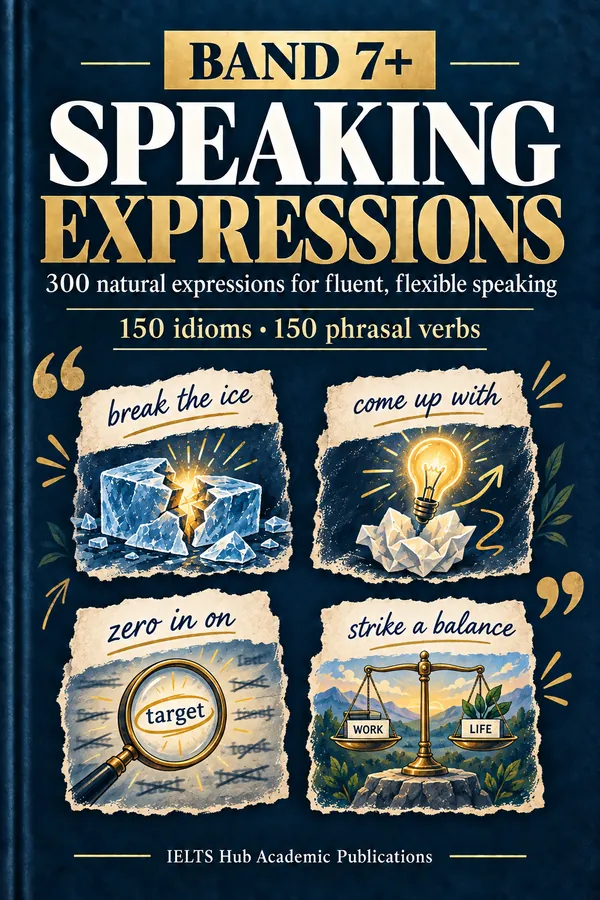
Speaking
Band 7+ Speaking Expressions
300 natural expressions for fluent, flexible speaking
₹199$6.99CAD 8.99AUD 9.99£4.99NZD 10.99€5.99AED 24SGD 8.99
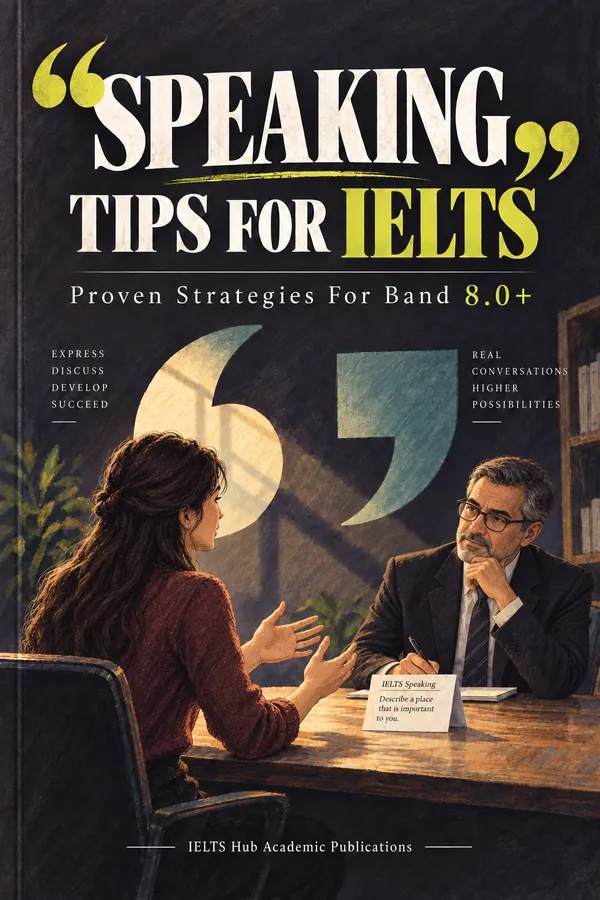
Speaking
Speaking Tips for IELTS
Proven Strategies for Band 8.0+
₹299$9.99CAD 13.99AUD 14.99£7.99NZD 16.99€8.99AED 39SGD 12.99
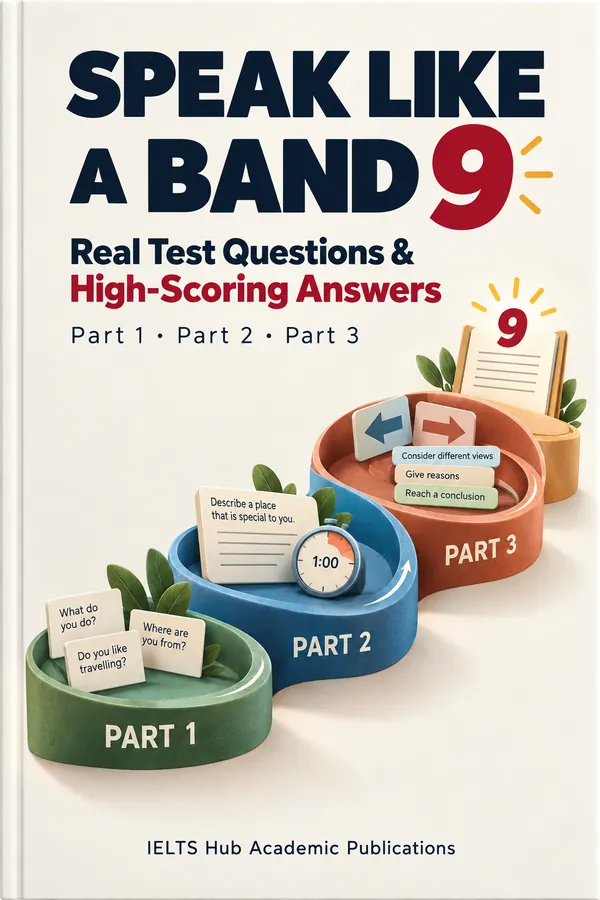
Speaking
Speak Like a Band 9
Real Test Questions & High-Scoring Answers
₹299$9.99CAD 13.99AUD 14.99£7.99NZD 16.99€8.99AED 39SGD 12.99