Speaking test #790
Part 1 · Interview
4 to 5 minutes. The examiner asks about you and familiar topics.
Can you tell me your full name?
Where are you from?
Do you work or are you a student?
Do you like to wear jeans?
I absolutely adore wearing jeans. They are comfortable, versatile, and timeless. I find them to be a perfect choice for any occasion, whether it's a casual day out or a more formal event. They are simply a staple in my wardrobe.
Did you ever wear jeans at school?
Yes, I did wear jeans at school. I remember my school had a relaxed dress code and jeans were allowed. I would often wear them on casual days or when I knew I would be doing a lot of physical activity. They were always my go-to choice as they were comfortable and practical.
Why are jeans famous all around the world?
Jeans are famous all around the world because they are a timeless and versatile piece of clothing. They are suitable for all ages, genders, and occasions, making them a popular choice for people everywhere. Additionally, their durability and ruggedness make them perfect for everyday wear, making them a practical choice for many people.
Would you buy an expensive pair of jeans?
I would certainly consider buying an expensive pair of jeans if I felt that they were worth the investment. I believe that quality is more important than price, so if an expensive pair of jeans was made from high-quality materials and was well-crafted, I would definitely consider buying them. I also think that investing in a high-quality pair of jeans would be more cost-effective in the long run as they would last longer.
How often do you wear jewellery? [Why/Why not?
?] I wear jewellery quite often, as I find it to be a great way to add a touch of elegance and style to any outfit. I particularly enjoy wearing statement pieces, such as a bold necklace or a pair of statement earrings, as they can really help to make an outfit stand out. However, I also appreciate the simplicity of a delicate pendant or a pair of simple stud earrings, as they can add a touch of elegance without being too overpowering.
What type of jewellery do you like best? [Why/Why not?
?] Personally, I have a strong preference for gold jewellery. I find that the warmth and richness of the metal complements my skin tone very well, and I enjoy the way that it can add a touch of luxury to any outfit. Additionally, I find that gold jewellery is often very versatile and can be worn with a wide range of different styles and colours.
When do people like to give jewellery in your country [Why?
?] In my country, people tend to give jewellery as gifts for special occasions such as birthdays, anniversaries, and weddings. I think that this is because jewellery is often seen as a symbol of love and commitment, and as such is a perfect gift to mark a special occasion. Additionally, many people also like to give jewellery as a way to commemorate important life milestones, such as a graduation or a new job.
Have you ever given jewellery to someone as a gift? [Why/Why not?
?] Yes, I have given jewellery as a gift to several people in my life. I find that jewellery is a very personal and meaningful gift, as it can be worn and treasured for years to come. Additionally, I like to give jewellery as a gift because it allows me to express my feelings and show someone how much I care about them. For example, I have given my mother a beautiful gold necklace as a gift for her birthday and I gave my wife a diamond ring as a gift for our anniversary. I always feel that these gifts were very special for them as well as for me.
You will have to talk about the topic for one to two minutes. You have one minute to think about what you are going to say. You can make some notes to help you if you wish.
Stage/part of your life that you enjoyed the most
You should say:
- What stage/part of your life it was
- Why you enjoyed it
- What you did during this stage/part of your life
- How it influenced your life
What stage/part of your life it was
The stage of my life that I enjoyed the most was my college years. This period, which spanned from when I was 18 to 22 years old, holds a special place in my heart because it was a time of immense personal growth and self-discovery.
Why you enjoyed it
I thoroughly enjoyed my college years primarily because of the newfound independence and freedom that came with it. Living away from home for the first time allowed me to explore my interests, make new friends, and take on new challenges. It was a time when I felt truly alive and excited about the endless possibilities that lay ahead.
What you did during this stage/part of your life
During my college years, I was actively involved in various extracurricular activities such as debating, volunteering, and organizing events. These experiences not only helped me develop important life skills such as leadership and teamwork but also allowed me to form lasting relationships with like-minded individuals. I also dedicated a significant amount of time to my studies, pushing myself to excel academically.
How it influenced your life
The influence of my college years on my life has been profound. It taught me the importance of stepping out of my comfort zone, seizing opportunities, and embracing change. The experiences and lessons I gained during this stage have shaped my values, goals, and aspirations, ultimately setting me on the path to personal and professional success. Overall, my college years were a transformative period that I will always cherish and look back on with fondness.
- Words
- 239
- Sentences
- 12
- Words per sentence
- 19.9
- Speaking time
- about 1.8 min
Counted at 130 words a minute. The exam gives you one to two minutes.
Part 3 · Discussion
4 to 5 minutes. The examiner asks broader questions linked to the cue card topic.
How do people enjoy different stages of life differently?
The enjoyment of different life stages can vary significantly among individuals due to a multitude of factors such as personal circumstances, cultural background, and individual aspirations. For instance, some people find immense joy in their childhood, relishing the sense of freedom and discovery, while others may look back at that time with a tinge of regret or nostalgia. In contrast, young adulthood is often viewed as a vibrant period filled with opportunities and adventures, but for some, it may bring challenges like academic pressure or career uncertainty. Ultimately, the way people perceive and enjoy these stages is deeply influenced by their unique experiences and the contextual factors surrounding them. It's fascinating to see how one person might thrive in their career in middle age, while another might find true fulfillment in their retirement years, showcasing the diverse paths we all take through life.
How much do you think people feel happier when they're young compared to when they're older?
That's a fascinating question! In many ways, youth is often associated with a sense of freedom and exploration, which can lead to a heightened feeling of fulfillment. Young people tend to have fewer responsibilities, allowing them to pursue their passions and dreams more freely. However, as one matures, fulfillment can take on a different form, often rooted in accomplishments and deeper relationships. While the exuberance of youth brings its own joys, many find that later stages of life offer a more profound sense of purpose, especially as they reflect on their experiences and contributions. Ultimately, I believe it's a balance; both youth and later life have unique forms of fulfillment that cater to different aspects of our human experience.
How do you think past memorable experiences affect a person's happiness?
Memorable experiences from our past play a pivotal role in shaping our happiness, as they often serve as the foundation for our identity and values. When we reflect on significant moments—be it joyous celebrations, personal achievements, or even challenges we've overcome—they can evoke feelings of nostalgia and gratitude. These memories not only remind us of the good times but also help us appreciate how far we've come, creating a sense of fulfillment and purpose. Moreover, they can influence our future decisions, guiding us toward activities and relationships that resonate with our core beliefs. Ultimately, it’s these rich, textured experiences that weave the tapestry of our lives and contribute to our overall sense of happiness.
Why do you think some people value their childhood more than their adult years?
I think many people cherish their childhood more than their adulthood because it represents a time of innocence and freedom. During childhood, responsibilities are minimal, and life is often filled with simple joys, like playing with friends or exploring nature. As we grow up, we face a multitude of challenges, including work pressures and societal expectations, which can overshadow the carefree days of youth. Moreover, childhood memories are frequently associated with a sense of nostalgia that reminds us of a simpler time, making it all the more precious. Ultimately, it’s that contrast between the light-heartedness of childhood and the complexities of adulthood that makes those early years so cherished.
How can liking a certain stage of life affect someone's future choices and views?
The enjoyment of a particular life stage can significantly shape a person's future decisions and outlook. For instance, if someone has a fulfilling experience during their university years, they might be more inclined to pursue further education or a career that allows for continuous learning. This positive experience can foster a growth mindset, encouraging them to embrace challenges and seek out new opportunities. Conversely, if someone struggles during a particular phase, such as adolescence, they may develop a more cautious approach to life, possibly leading to a fear of failure. Ultimately, these formative experiences can act as a lens through which individuals view their future, influencing everything from their career choices to their relationships.
What steps can people take to make their current life stage more enjoyable?
To truly enhance the enjoyment of any current life stage, individuals can start by practicing mindfulness. This means being present in the moment and appreciating the little things, like a beautiful sunset or a warm cup of coffee. Additionally, engaging in hobbies that ignite passion can significantly boost happiness; whether it’s painting, playing an instrument, or even gardening, it’s all about finding what brings joy. Connecting with friends and family is also crucial; these meaningful relationships provide a support system and create cherished memories. Lastly, setting personal goals, no matter how small, can instill a sense of purpose and accomplishment, making each day feel more fulfilling.
Go further with the books
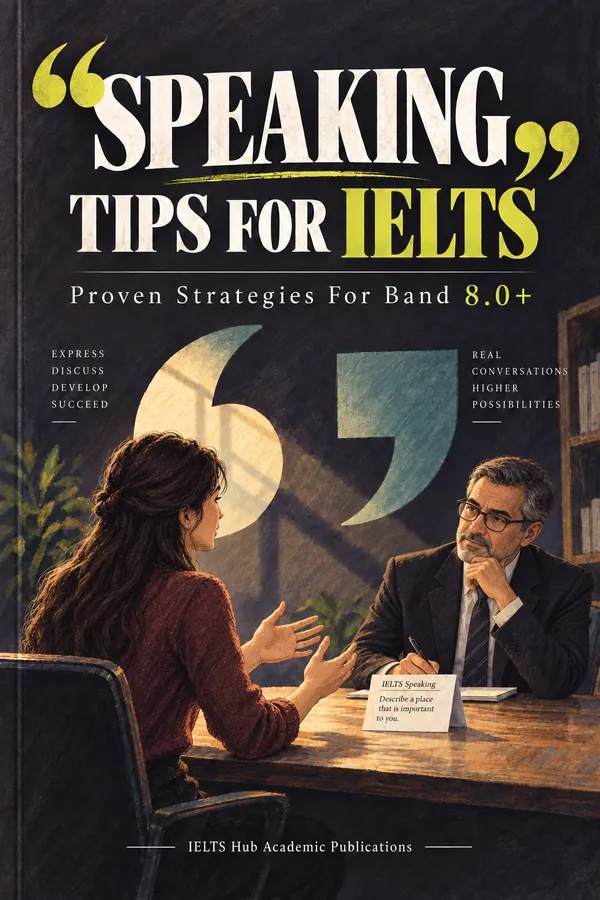
Speaking
Speaking Tips for IELTS
Proven Strategies for Band 8.0+
₹299$9.99CAD 13.99AUD 14.99£7.99NZD 16.99€8.99AED 39SGD 12.99
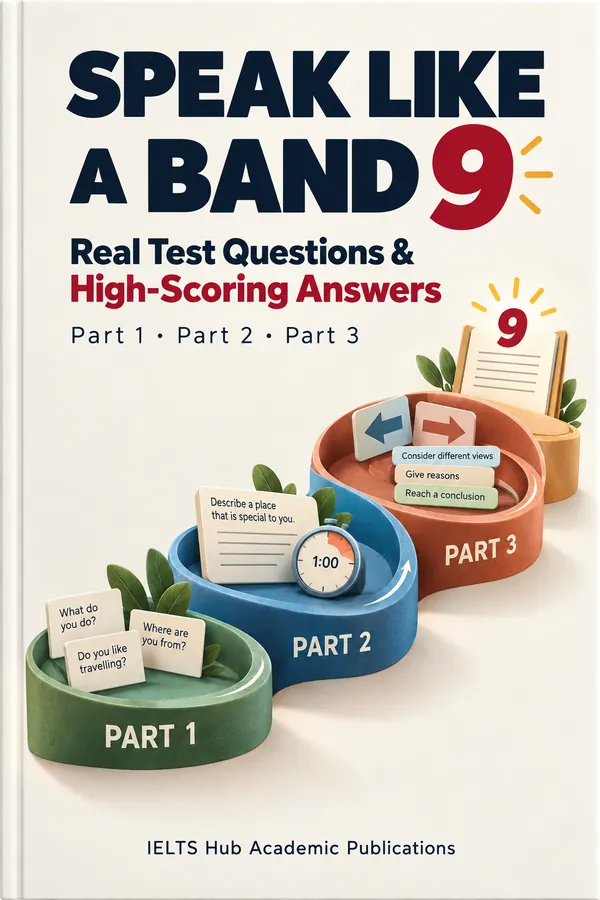
Speaking
Speak Like a Band 9
Real Test Questions & High-Scoring Answers
₹299$9.99CAD 13.99AUD 14.99£7.99NZD 16.99€8.99AED 39SGD 12.99
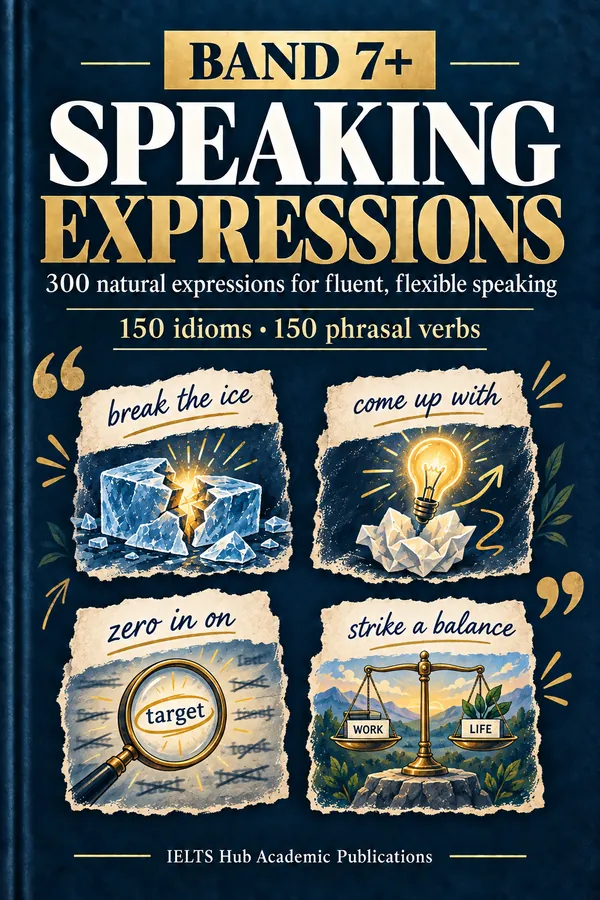
Speaking
Band 7+ Speaking Expressions
300 natural expressions for fluent, flexible speaking
₹199$6.99CAD 8.99AUD 9.99£4.99NZD 10.99€5.99AED 24SGD 8.99