Speaking test #795
Part 1 · Interview
4 to 5 minutes. The examiner asks about you and familiar topics.
Can you tell me your full name?
Where are you from?
Do you work or are you a student?
Do you like reading magazines or newspapers?
I absolutely love reading magazines. I find them to be a great source of inspiration, information and entertainment.
What type of magazine you may like to read?
I am particularly interested in fashion and lifestyle magazines, as they provide me with the latest trends, ideas and inspiration for my personal style and home decor. I also enjoy reading travel magazines, as they allow me to explore new places and cultures from the comfort of my own home.
What section do you like in a magazine?
One of my favourite sections in a magazine is the fashion section. I love to see the latest trends and styles, and get ideas for how to incorporate them into my own wardrobe. I also enjoy reading the beauty and health sections, as they provide me with valuable tips and advice on how to take care of myself.
In the future, do you think more people than today will read magazines, or fewer people?
I think that with the rise of digital media, fewer people will read physical magazines in the future. However, I do believe that the content of magazines will continue to be popular, as people will still seek out the same type of inspiration, information and entertainment in digital format. So, I think that magazine content will continue to be widely consumed, just in a different format.
Do you often wear makeup?
I do wear makeup occasionally, but not on a daily basis. I prefer to keep my look natural most of the time.
What does wearing makeup mean to you?
To me, wearing makeup is a way to enhance my features and boost my confidence. It's an enjoyable and creative process that allows me to express my personal style.
Do you give makeup as a gift?
Yes, I have given makeup as a gift to friends and family members in the past. I think it's a thoughtful and practical gift that can be enjoyed by many different people.
What do you think when you see a man wearing makeup?
Personally, I don't see anything wrong with men wearing makeup. I believe that everyone should be able to express themselves in whatever way they choose, and makeup is no exception. I think it's great that more men are feeling comfortable enough to experiment with makeup and break down traditional gender norms.
You will have to talk about the topic for one to two minutes. You have one minute to think about what you are going to say. You can make some notes to help you if you wish.
Describe a story that was particularly interesting to you
You should say:
- What the story was about
- Why it was interesting to you
- How you came across the story
- The impact the story had on you
What the story was about
One of the most captivating stories that deeply intrigued me was "The Palace of Illusions" by Chitra Banerjee Divakaruni. This novel is a retelling of the Indian epic Mahabharata from the perspective of Draupadi, the wife of the Pandavas. The story delves into the complexities of human emotions, relationships, and power dynamics, all set against the backdrop of ancient India's rich tapestry of culture and mythology.
Why it was interesting to you
What made "The Palace of Illusions" particularly fascinating to me was its unique narrative style and the way it gave a voice to a lesser-known character from a well-known epic. Seeing the events of the Mahabharata unfold through Draupadi's eyes added layers of depth and emotion to the familiar tale, making me reconsider my perceptions of the characters and their motivations.
How you came across the story
I first came across this story during a casual browsing session at a local bookstore. The book's striking cover and intriguing title immediately caught my attention, prompting me to read the blurb and dive into the first few pages. From that moment on, I was hooked by Divakaruni's lyrical prose and her skillful reimagining of a timeless myth.
The impact the story had on you
The impact of "The Palace of Illusions" on me was profound. Not only did it deepen my appreciation for Indian mythology and literature, but it also sparked a newfound interest in exploring stories from different perspectives. This novel challenged me to question conventional narratives and inspired me to seek out more diverse voices in literature, broadening my horizons and enriching my reading experiences.
- Words
- 248
- Sentences
- 11
- Words per sentence
- 22.5
- Speaking time
- about 1.9 min
Counted at 130 words a minute. The exam gives you one to two minutes.
Part 3 · Discussion
4 to 5 minutes. The examiner asks broader questions linked to the cue card topic.
How can the themes of different stories connect in unique ways with different groups of people?
That's a fantastic question! The themes in stories can resonate differently with audiences due to a variety of factors, including cultural background, personal experiences, and even age. For example, a story about overcoming adversity might deeply touch someone who has faced significant challenges in their own life, while someone who hasn't encountered such struggles might appreciate it on a more superficial level. Additionally, cultural contexts can heavily influence how themes are interpreted; a theme of family loyalty might evoke strong emotions in communities that prioritize familial ties, whereas in more individualistic cultures, the same theme could be viewed differently. Ultimately, storytelling is such a powerful medium precisely because it can connect with people in so many unique and profound ways!
How can personal experiences affect how someone understands a story?
Personal experiences can significantly shape how we interpret a story, as they provide a unique lens through which we view the narrative. For instance, someone who has faced loss may resonate deeply with themes of grief and resilience in a novel, while another reader might focus on the aspects of hope and recovery. Our backgrounds, cultural contexts, and life events can create a rich tapestry of understanding, allowing us to draw connections that others might overlook. Additionally, when we see reflections of our own lives in a character’s journey, it can evoke strong emotions and lead to a more immersive reading experience. Ultimately, this subjective interpretation enriches the storytelling process, making it a deeply personal and transformative experience.
How do stories influence our cultural values and beliefs?
Stories play a pivotal role in shaping cultural values and beliefs, acting as a bridge between generations. They encapsulate the essence of a culture, transmitting morals, traditions, and lessons that resonate with the community. For instance, folktales often highlight virtues such as honesty and bravery, instilling these qualities in listeners from a young age. Additionally, stories can reflect societal challenges and triumphs, fostering a sense of identity and belonging. Ultimately, they not only entertain but also educate, helping individuals understand their place within the larger tapestry of their culture.
Why do you think some stories stay popular for a long time while others are forgotten?
That's a fascinating question! I believe certain stories endure because they resonate with universal themes that speak to the human experience, such as love, loss, and resilience. These narratives often tap into deep emotional currents, allowing people from various backgrounds to connect with them on a personal level. Additionally, stories that have been beautifully crafted, whether through compelling characters or intricate plots, tend to stick in our minds and get passed down through generations. Lastly, the power of cultural significance can't be overlooked; stories that reflect or challenge societal values often remain relevant, ensuring they stay alive in the collective consciousness.
How could storytelling change in the future with new technology?
Storytelling is on the cusp of a fascinating transformation thanks to advancements in technology. For instance, with the rise of virtual reality and augmented reality, we might soon find ourselves stepping directly into the narrative, experiencing stories in a way that feels incredibly immersive. This could lead to a new genre of storytelling where audiences aren't just passive spectators but active participants, shaping the outcomes of the tales they engage with. Moreover, as artificial intelligence continues to evolve, we may see personalized stories crafted specifically for individuals, tailored to their preferences and emotional responses, which could truly revolutionize the way we connect with narratives. The future of storytelling is bound to be a vibrant tapestry of innovation, making it even more engaging and relevant to our lives.
How can we get more people interested in reading and storytelling?
To encourage more people to engage with literature and storytelling, I believe a multifaceted approach could be incredibly effective. First and foremost, incorporating technology can really breathe new life into literary experiences; for instance, utilizing audiobooks and interactive e-books can attract younger audiences who are often glued to their screens. Additionally, hosting community events like book fairs or storytelling competitions can create a sense of community and excitement around literature. Moreover, collaborating with schools to integrate storytelling into the curriculum can spark interest from a young age, making it a core aspect of education rather than an afterthought. Finally, promoting literature through social media platforms can help in reaching a broader audience, especially if we use engaging content like book trailers or author interviews. Ultimately, these strategies can ignite a passion for reading and storytelling in individuals of all ages.
Go further with the books
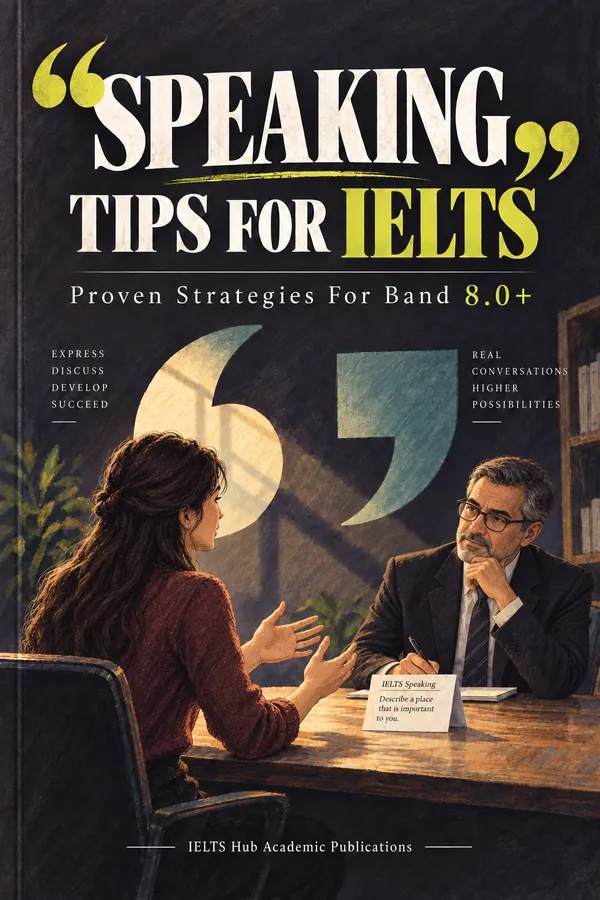
Speaking
Speaking Tips for IELTS
Proven Strategies for Band 8.0+
₹299$9.99CAD 13.99AUD 14.99£7.99NZD 16.99€8.99AED 39SGD 12.99
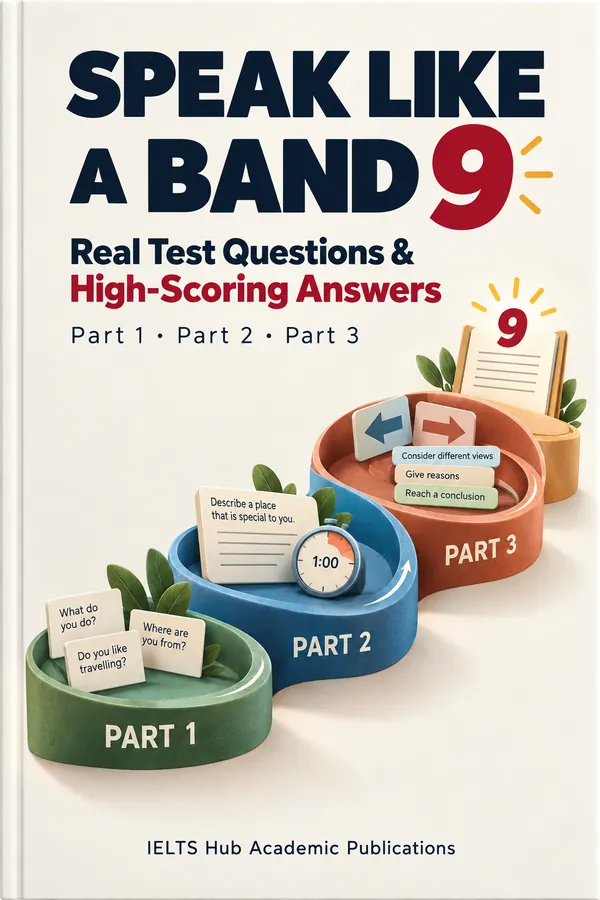
Speaking
Speak Like a Band 9
Real Test Questions & High-Scoring Answers
₹299$9.99CAD 13.99AUD 14.99£7.99NZD 16.99€8.99AED 39SGD 12.99
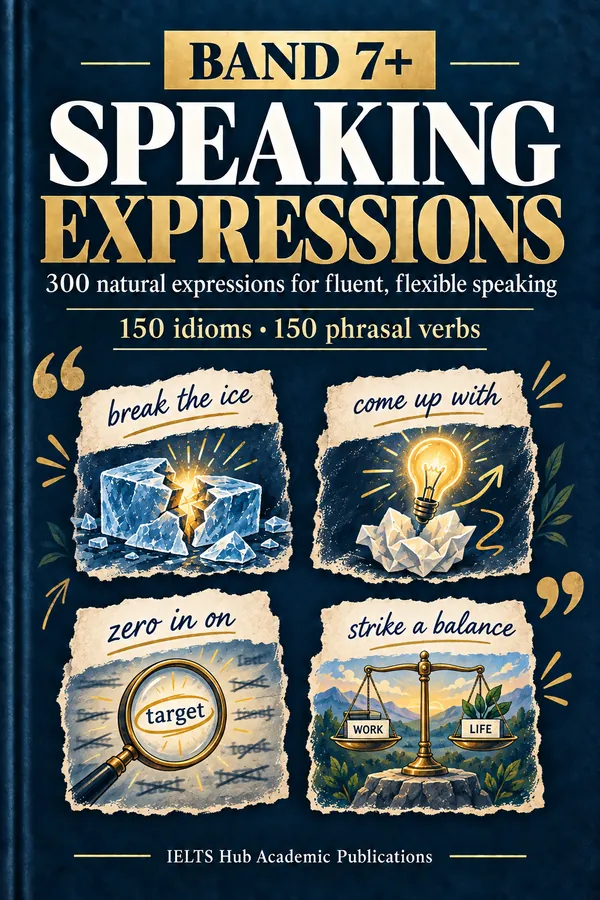
Speaking
Band 7+ Speaking Expressions
300 natural expressions for fluent, flexible speaking
₹199$6.99CAD 8.99AUD 9.99£4.99NZD 10.99€5.99AED 24SGD 8.99