Speaking test #813
Part 1 · Interview
4 to 5 minutes. The examiner asks about you and familiar topics.
Can you tell me your full name?
Where are you from?
Do you work or are you a student?
Are you a polite person?
A1. Absolutely, I believe in treating others with respect and kindness. Being polite is an important aspect of any society, and I make a conscious effort to always be courteous and considerate towards others.
How do people of your country (India) show politeness?
A2. In India, politeness is often demonstrated through the use of formal language and gestures. For example, using words like "please" and "thank you" is considered polite, as is using formal titles when addressing elders or authority figures. Additionally, Indian culture places a strong emphasis on the use of nonverbal cues, such as bowing or using hand gestures to show respect.
Has the way people show politeness changed in your country (India)?
A3. I believe that, like any society, India has undergone changes in the way politeness is expressed over time. For example, with the rise of technology and social media, people are increasingly communicating through digital platforms, which can make it more difficult to convey politeness through traditional nonverbal cues. However, I also think that traditional forms of politeness, such as using formal language and gestures, still hold strong in Indian culture.
Are you angry with people who are late?
A4. While I understand that things can come up that may cause someone to be late, I do have to admit that I can become frustrated when people are consistently late. However, I try to focus on understanding the reasons behind the lateness and not take it personally. Being punctual is an important aspect of respect and politeness, and I think it's important for all of us to make an effort to be on time.
What did you like to do the most when you were in primary school?
When I was in primary school, I loved playing sports. I was particularly passionate about soccer and would spend most of my free time practicing and playing with my friends. I also enjoyed participating in school sports teams and competitions, it was always a great feeling to represent my school and compete against other teams.
How did you go to your primary school?
I used to go to my primary school by bus. My parents would drop me off at the bus stop near our house, and I would take the bus to school. It was a convenient and efficient way to travel, and I enjoyed the short journey to school each day.
How do you like your primary school?
I have fond memories of my primary school. The teachers were very supportive and dedicated, and the curriculum was challenging but engaging. I also made many lasting friendships during my time there, and I have very fond memories of the school community. Overall, I had a positive experience at my primary school.
What did you do in your leisure time in your primary school?
In my leisure time in primary school, I enjoyed playing sports with my friends. We would often organize impromptu soccer matches in the playground during lunch breaks and after school. I also enjoyed reading and would often spend my free time in the school library. I also loved playing with my classmates in the school yard, and it was always a great time.
You will have to talk about the topic for one to two minutes. You have one minute to think about what you are going to say. You can make some notes to help you if you wish.
Describe something you borrowed from one of your neighbours
You should say:
- What you borrowed
- Why you needed it
- How you used it
- Your neighbour's reaction
What you borrowed
I remember a time when I borrowed a pressure cooker from my neighbor, Mrs. Gupta. She was kind enough to lend it to me when I needed it for a family gathering. The pressure cooker was a crucial item as I needed to cook a large quantity of rice and lentils quickly and efficiently.
Why you needed it
I needed the pressure cooker because I was hosting a special dinner for my family on a weekend. Since I don't own a pressure cooker myself, borrowing it from Mrs. Gupta was the most convenient option. I knew that using a pressure cooker would significantly reduce the cooking time and help me prepare the meal on time.
How you used it
I used the pressure cooker to cook the rice and lentils for the dinner. It was a lifesaver as it allowed me to cook large portions of food in a short amount of time. The meal turned out delicious, and everyone enjoyed it. The pressure cooker made the cooking process much smoother and hassle-free.
Your neighbour's reaction
Mrs. Gupta's reaction was extremely positive. She was happy to lend me the pressure cooker and even offered to help with any other items I might need in the future. Her generosity and willingness to assist me in my time of need truly touched me, and I am grateful to have such a supportive neighbor like her.
- Words
- 222
- Sentences
- 16
- Words per sentence
- 13.9
- Speaking time
- about 1.7 min
Counted at 130 words a minute. The exam gives you one to two minutes.
Part 3 · Discussion
4 to 5 minutes. The examiner asks broader questions linked to the cue card topic.
What is the difference between borrowing from a neighbor and borrowing from a friend or family?
Borrowing from a neighbor often carries a different social dynamic compared to borrowing from a friend or family member. With neighbors, there's usually a sense of formality that doesn't exist in closer relationships; you're more conscious of maintaining a good rapport, which can make the exchange a bit more awkward. On the other hand, borrowing from friends or family tends to be more relaxed and can even include shared understanding or unspoken rules, since those relationships are built on trust and familiarity. At the same time, you might feel more comfortable asking for larger favors from loved ones, knowing that they might be more willing to help out without any strings attached. Ultimately, while both scenarios involve trust, the emotional undertones and expectations can vary significantly.
Some people think that lending things to each other can cause problems between neighbors. What do you think about this?
Absolutely, borrowing items can sometimes create a bit of tension between neighbors. When someone borrows something, there’s always a risk that it might get damaged or not returned in the same condition, which can lead to feelings of resentment. Additionally, some people might have different expectations regarding how and when items should be returned, resulting in misunderstandings. However, I believe that clear communication can significantly mitigate these issues. If both parties are upfront about their expectations and limitations, it can actually strengthen the bond between neighbors and foster a sense of community. Ultimately, it's all about mutual respect and understanding!
How does borrowing help create connections in a community?
Borrowing can play a significant role in fostering connections within a community. When people lend and borrow items, whether it’s tools, books, or even money, it creates a sense of mutual reliance, which is essential for strong community bonds. For instance, sharing resources often leads to conversations and interactions that might not have occurred otherwise, thus strengthening social ties. Moreover, these acts of generosity not only promote trust and goodwill, but they also encourage a culture of collaboration where individuals feel more comfortable seeking help from each other. Ultimately, borrowing can transform a group of individuals into a cohesive community, where everyone feels valued and supported.
Why do you think people are usually reluctant to borrow things from others?
People are often hesitant to borrow things from others for a variety of reasons. Firstly, there’s the fear of damaging the item, which could lead to awkwardness or tension in the relationship. Additionally, many individuals worry about the social implications of borrowing; they might feel indebted or concerned about how the lender perceives them. Moreover, some people simply prefer to maintain their independence and avoid relying on others, as they believe it reflects a lack of capability. Ultimately, this blend of personal values and social dynamics plays a significant role in their reluctance to borrow.
What changes could happen in neighborhoods if people borrow from each other less often?
If borrowing becomes less common among neighbors, we might see a shift towards greater self-sufficiency within communities. People may become more reliant on their own resources, which can foster a sense of independence but could also lead to a breakdown of social bonds. When individuals stop borrowing from each other, the collaborative spirit that often characterizes close-knit neighborhoods might diminish, resulting in a more isolated lifestyle. Additionally, we could witness a rise in individualism, where people focus more on their own needs rather than the collective well-being of the community. Overall, while some might appreciate the newfound independence, the loss of reciprocal relationships could create a less supportive environment.
How can neighbors help each other feel more comfortable lending things?
Neighbors can foster a sense of community by creating an environment where lending items becomes a natural part of their interactions. One effective approach is to organize informal gatherings, such as a neighborhood potluck, where everyone can share their interests and resources. This not only helps to break the ice but also builds trust, making it easier for people to borrow and lend items without hesitation. Additionally, establishing a local “sharing library” or tool shed can be a fantastic way to promote this idea, as it provides a dedicated space for neighbors to exchange items they don’t use often. Ultimately, when relationships are nurtured through open communication and shared experiences, lending items becomes more than just a transaction; it evolves into a collaborative spirit that strengthens community bonds.
Go further with the books
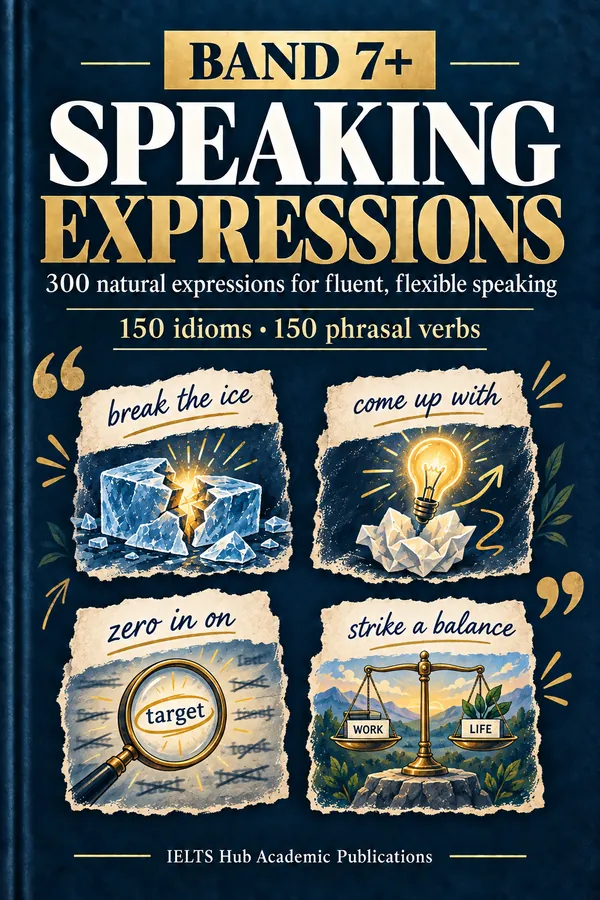
Speaking
Band 7+ Speaking Expressions
300 natural expressions for fluent, flexible speaking
₹199$6.99CAD 8.99AUD 9.99£4.99NZD 10.99€5.99AED 24SGD 8.99
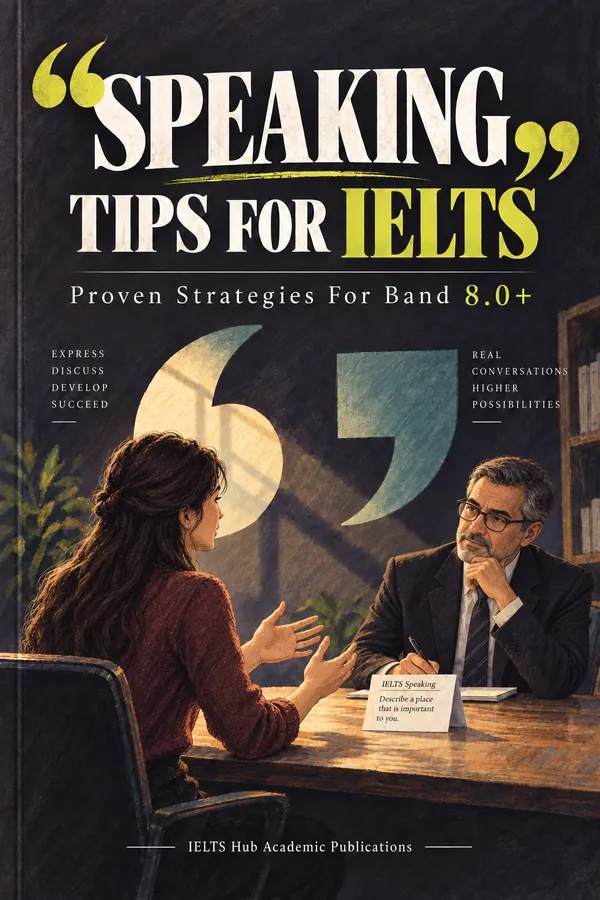
Speaking
Speaking Tips for IELTS
Proven Strategies for Band 8.0+
₹299$9.99CAD 13.99AUD 14.99£7.99NZD 16.99€8.99AED 39SGD 12.99
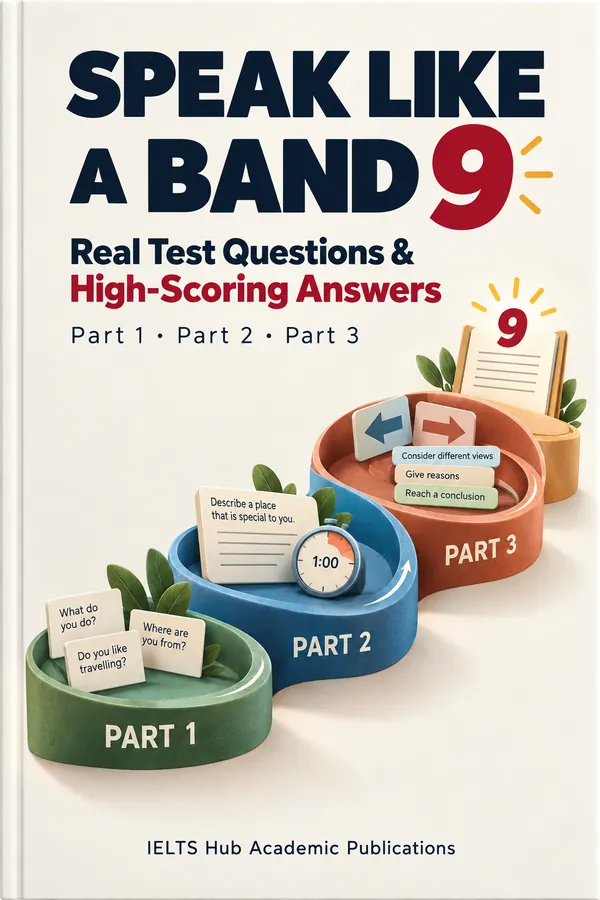
Speaking
Speak Like a Band 9
Real Test Questions & High-Scoring Answers
₹299$9.99CAD 13.99AUD 14.99£7.99NZD 16.99€8.99AED 39SGD 12.99