Speaking test #814
Part 1 · Interview
4 to 5 minutes. The examiner asks about you and familiar topics.
Can you tell me your full name?
Where are you from?
Do you work or are you a student?
How popular are bicycles in your hometown? [Why?
?] Bicycles are actually quite popular in my hometown. I think a lot of people opt for them as a more environmentally-friendly mode of transportation, especially since our city has a pretty good network of bike lanes and paths. Plus, with the rise of bike-sharing programs, it's become easier for people to access them when they need them.
How often do you ride a bicycle? [Why/Why not?
?] I try to ride my bike as often as possible, both for the exercise and because it's a more sustainable option for getting around. However, I do live in a city with unpredictable weather, so sometimes it's not practical to ride if it's pouring rain or there's a snowstorm.
Do you think that bicycles are suitable for all ages? [Why/Why not?
?] I think that bicycles can definitely be suitable for all ages, as long as the person is comfortable and able to ride safely. Of course, there are some limitations for younger children or elderly individuals, but with the right equipment and precautions, I don't see any reason why anyone of any age couldn't enjoy the benefits of cycling.
What are the advantages of a bicycle compared to a car? [Why?
?] There are so many advantages of a bicycle compared to a car. For one, they're much more eco-friendly, as they don't emit any harmful emissions. They're also much cheaper to maintain and operate, since you don't have to pay for gas or insurance. Additionally, cycling is a great form of exercise, and it can be a really enjoyable way to get around. Plus, with more and more cities investing in bike lanes and infrastructure, it's becoming easier and safer to ride a bike as a mode of transportation.
How did you get here today?
I took the train to get here today. It was a very smooth journey and I arrived on time for my IELTS exam.
Do you often use public transport?
Yes, I do. I find it to be a convenient and cost-effective way to travel, especially in the city where I live.
Do you like public transport in your country?
I love it! Public transport in my country is very efficient and reliable. There are a variety of options available, such as buses, trains, and subways, which makes it easy for me to get around.
What is the difference between taking the bus and taking the train?
The main difference between taking the bus and taking the train is the speed and distance that can be covered. Buses are generally slower and only travel within a specific area, while trains can cover longer distances at a faster speed. Additionally, trains typically have more comfortable seating and amenities compared to buses.
You will have to talk about the topic for one to two minutes. You have one minute to think about what you are going to say. You can make some notes to help you if you wish.
A letter you have written to someone
You should say:
- Who you wrote the letter to
- Reason for writing the letter
- Contents of the letter
- Impact of the letter on the recipient
Who you wrote the letter to
I wrote a heartfelt letter to my grandmother last year, expressing my gratitude and love for her. The reason behind writing the letter was to thank her for all the love and support she has showered upon me throughout my life. I felt compelled to put my feelings into words and let her know how much she means to me.
Reason for writing the letter
In the letter, I reminisced about the fond memories we shared, from my childhood days spent in her comforting presence to the valuable life lessons she imparted to me as I grew older. I also expressed my admiration for her strength and resilience in the face of challenges. Moreover, I highlighted how her wisdom and guidance have shaped me into the person I am today.
Contents of the letter
The contents of the letter resonated deeply with my grandmother, evoking emotions of joy and nostalgia within her. She was touched by my words and appreciated the effort I had put into expressing my feelings so sincerely. The letter served as a reminder of our special bond and brought us even closer together. It was a poignant moment of connection that strengthened our relationship and brought immense happiness to both of us.
Impact of the letter on the recipient
Overall, the impact of the letter on my grandmother was profound. It not only made her feel loved and appreciated but also reinforced the strong bond we share. The letter served as a precious keepsake that she treasures to this day, reminding her of the enduring love between us. Writing that letter was a truly enriching experience for me, as it allowed me to express my feelings openly and strengthen the beautiful relationship I have with my grandmother.
- Words
- 275
- Sentences
- 14
- Words per sentence
- 19.6
- Speaking time
- about 2.1 min
Counted at 130 words a minute. The exam gives you one to two minutes.
Part 3 · Discussion
4 to 5 minutes. The examiner asks broader questions linked to the cue card topic.
How can writing a letter be more powerful than sending an email?
Writing a letter can be significantly more impactful than sending an email for several reasons. First and foremost, a handwritten letter often carries a sense of personal touch that emails simply cannot replicate. The effort put into writing by hand can convey a level of care and thoughtfulness that resonates deeply with the recipient. Additionally, letters have a tangible quality; they can be cherished and kept as keepsakes, whereas emails tend to get lost in the digital clutter. Furthermore, the anticipation of receiving a letter in the mail can create a unique sense of excitement that an email alert just doesn’t match. Overall, the emotional weight and lasting impression of a handwritten letter can often make it a more powerful form of communication.
Do you think handwritten letters are more meaningful than messages sent online? Why or why not?
I absolutely agree that handwritten letters carry a unique emotional weight that digital communication often lacks. There's something incredibly personal about seeing someone's handwriting; it reflects their individuality and effort. When you receive a letter penned by hand, it feels like a tangible piece of their thoughts and feelings, creating a sense of intimacy that a quick text message simply can't replicate. Furthermore, the anticipation of opening a letter adds an element of excitement that has become somewhat rare in our fast-paced digital world. In essence, while digital communication is undeniably convenient, handwritten letters have a way of evoking nostalgia and fostering deeper connections between people.
How important do you think writing letters is in today's digital world?
I believe the practice of letter writing holds a unique charm and significance, even in today’s digital age. While emails and instant messaging dominate our communication landscape, nothing quite compares to the personal touch of a handwritten letter. It can convey emotions and sentiments in a way that a screen simply cannot replicate. There’s something incredibly special about receiving a letter in the mail; it feels like a tangible piece of someone's thoughts and feelings. Moreover, letter writing can often foster deeper connections, as it encourages us to slow down and reflect on our words before sending them off. In a world that’s constantly rushing, embracing this practice can be a refreshing change!
Why do you think people still prefer to write letters instead of using newer ways to communicate?
I think there are a few compelling reasons why people still opt to write letters despite the abundance of modern communication methods. For one, writing a letter often carries a sense of personal touch that texts or emails simply cannot replicate. There's something inherently special about putting pen to paper, which can evoke feelings of nostalgia and sincerity. Additionally, letters can feel more thoughtful and deliberate, allowing the writer to express their feelings in a way that feels more meaningful. Finally, in a world that's increasingly fast-paced and digital, receiving a handwritten letter can feel like a refreshing break and a lovely surprise, making it a treasured keepsake rather than just another fleeting message.
How could the future of communication be affected by fewer people writing letters?
The decline of letter writing is certainly reshaping the landscape of communication in profound ways. With the advent of technology, particularly smartphones and instant messaging, people are now accustomed to immediate gratification in their conversations. This shift could lead to a more superficial exchange of ideas, as brevity often takes precedence over depth. Moreover, the art of crafting a thoughtful letter, which once required reflection and intention, may be lost, diminishing our ability to engage in meaningful discourse. However, it’s also possible that this evolution could pave the way for new forms of communication that prioritize creativity and visual expression, such as emojis and memes, which can convey emotion in a very dynamic way. Overall, while we might be losing the charm of letter writing, we’re also entering an era filled with exciting possibilities for how we connect with one another.
What steps can be taken to help younger people value and get involved in writing letters?
To encourage younger generations to appreciate and engage in letter writing, I believe we could start by integrating it into educational curricula. Schools could host creative writing workshops that focus specifically on crafting letters, which would not only enhance their writing skills but also foster a deeper emotional connection to the art of communication. Furthermore, we could promote pen pal programs that link students with peers from different cultures or countries, making the experience more exciting and meaningful. Additionally, social media campaigns highlighting the personal touch and nostalgia of receiving a handwritten letter could spark interest. Lastly, hosting competitions or challenges that reward the best letter writers might also ignite enthusiasm, making the whole process fun and engaging. Ultimately, by combining traditional methods with modern incentives, we can truly revitalize this beautiful form of communication!
Go further with the books
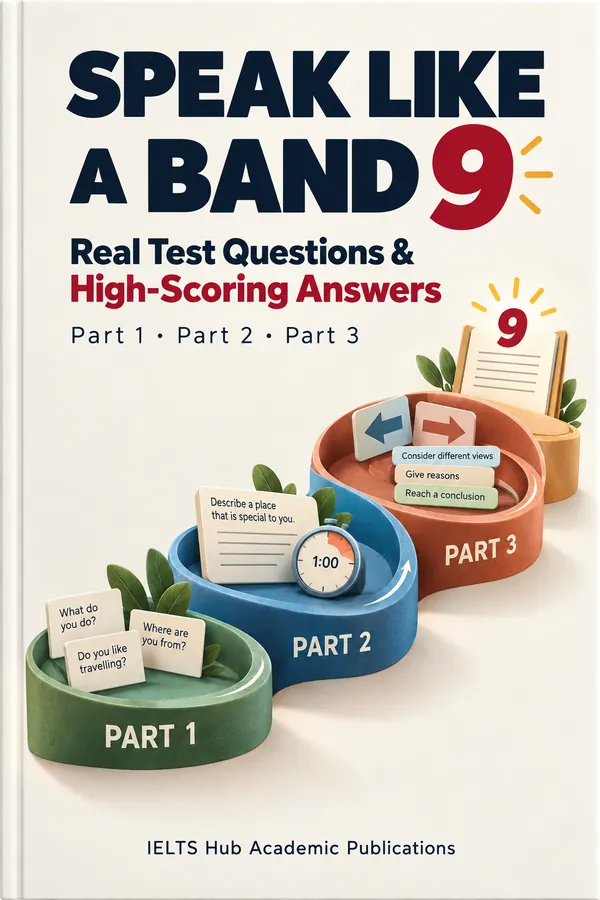
Speaking
Speak Like a Band 9
Real Test Questions & High-Scoring Answers
₹299$9.99CAD 13.99AUD 14.99£7.99NZD 16.99€8.99AED 39SGD 12.99
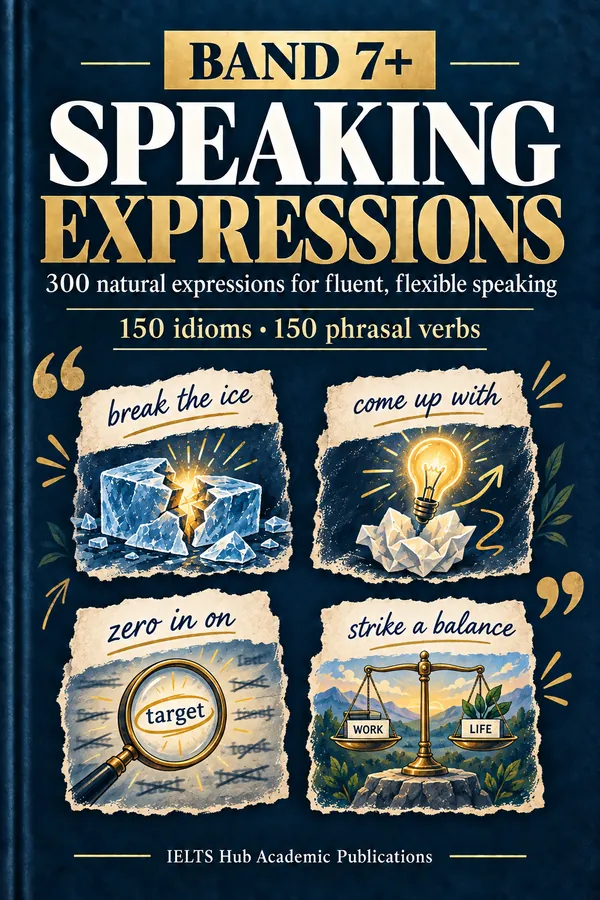
Speaking
Band 7+ Speaking Expressions
300 natural expressions for fluent, flexible speaking
₹199$6.99CAD 8.99AUD 9.99£4.99NZD 10.99€5.99AED 24SGD 8.99
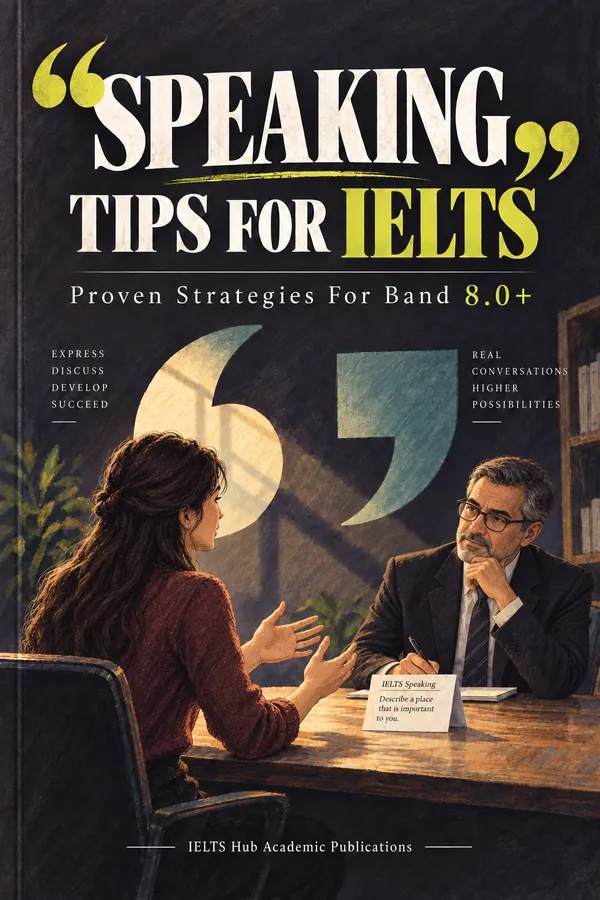
Speaking
Speaking Tips for IELTS
Proven Strategies for Band 8.0+
₹299$9.99CAD 13.99AUD 14.99£7.99NZD 16.99€8.99AED 39SGD 12.99