Speaking test #826
Part 1 · Interview
4 to 5 minutes. The examiner asks about you and familiar topics.
Can you tell me your full name?
Where are you from?
Do you work or are you a student?
How many hours do you usually sleep at night?
I usually aim to get around 8 hours of sleep at night. I find that this is the ideal amount of sleep for me to feel refreshed and energized the next day.
Do you go to bed at the same time every day?
I try to maintain a consistent sleep schedule by going to bed at the same time every day, usually around 10pm. I find that having a set bedtime helps me to relax and fall asleep more easily.
Do you ever have a nap during the day?
Occasionally, I will take a short nap during the day if I am feeling tired or if I have a particularly busy schedule. I find that a short nap can help to boost my energy and productivity for the rest of the day.
Why do older people sleep longer than young people?
There are a few reasons why older people may sleep longer than young people. As we age, our bodies produce less melatonin, which is a hormone that helps regulate our sleep-wake cycle. Additionally, older adults may have more health conditions or medications that can affect their sleep. Additionally, as we age, we may find it more difficult to fall asleep and stay asleep, leading to longer sleep times.
Do you always smile?
I believe that smiling is a natural expression of positivity and happiness. Therefore, I try to maintain a positive attitude and approach in my daily life, which often leads to me smiling. However, there may be times when I am not feeling my best, and my smile may not be as genuine.
Should people smile more?
I think that smiling is a powerful tool in communicating friendliness and openness to others. It can also have a positive impact on our own well-being. Therefore, I believe that people should make a conscious effort to smile more often.
What makes people smile at others?
There are many different things that can make people smile at others. For example, a kind gesture or a funny joke can bring a smile to someone's face. Additionally, seeing someone who is happy and content can also be contagious, making others smile in return.
Can you recognize a fake smile?
Yes, I believe that I can recognize a fake smile. A genuine smile involves the muscles around the eyes and mouth, whereas a fake smile is often just a curl of the lips. Additionally, a fake smile usually lacks the warmth and sincerity that a genuine smile possesses.
You will have to talk about the topic for one to two minutes. You have one minute to think about what you are going to say. You can make some notes to help you if you wish.
When you had a strong disagreement with a friend
You should say:
- What was the disagreement about
- How did you handle the disagreement
- Did you resolve the disagreement
- How did the disagreement affect your friendship
What was the disagreement about
Having a strong disagreement with a friend is inevitable in any relationship, and I vividly recall a time when I had such an experience with my close friend regarding our college project. The disagreement stemmed from differing opinions on the project's direction and the allocation of responsibilities. My friend believed we should focus more on the creative aspects, while I emphasized the importance of practicality and meeting deadlines.
How did you handle the disagreement
To handle the disagreement, I suggested we have a calm and rational discussion to understand each other's perspectives better. I listened attentively to my friend's ideas and explained my viewpoints clearly. We both acknowledged the validity of each other's arguments and tried to find a middle ground that would satisfy both of us. It was crucial for us to maintain respect and open communication throughout the process.
Did you resolve the disagreement
Fortunately, our efforts to resolve the disagreement were successful. We compromised by incorporating elements of both our ideas into the project plan, ensuring a balance between creativity and practicality. This experience taught us the value of compromise and effective communication in overcoming differences. We both learned to appreciate each other's strengths and viewpoints, leading to a stronger bond of understanding and cooperation.
How did the disagreement affect your friendship
Ultimately, the disagreement had a positive impact on our friendship. It deepened our trust and respect for each other, as we realized that differences in opinion can lead to innovative solutions when handled constructively. Our ability to navigate through disagreements strengthened our friendship and enhanced our teamwork skills, laying a foundation for more collaborative projects in the future.
- Words
- 255
- Sentences
- 14
- Words per sentence
- 18.2
- Speaking time
- about 2.0 min
Counted at 130 words a minute. The exam gives you one to two minutes.
Part 3 · Discussion
4 to 5 minutes. The examiner asks broader questions linked to the cue card topic.
How are fights between friends different from arguments at work?
Conflicts between friends tend to be more emotionally charged and personal, as these relationships are built on deep connections and trust. In contrast, disagreements in professional settings often revolve around tasks or goals and are usually more formal and objective. When friends argue, it can lead to a breakdown of communication that impacts the personal bond, while in a workplace, disagreements are typically resolved with a focus on maintaining professional decorum. Additionally, friends may have a tendency to avoid confrontation to protect their relationship, whereas in a professional context, confronting issues directly can be essential for team cohesion and progress. Ultimately, the stakes are often higher in personal relationships, which can make conflicts feel more intense and significant.
How important do you think it is for friends to have different opinions?
I think it’s incredibly important for friends to have differing opinions! When friends challenge each other’s views, it can lead to meaningful discussions that broaden perspectives and deepen understanding. This kind of interaction not only helps individuals to see the world through different lenses but also fosters personal growth. It’s fascinating how diverse opinions can spark healthy debates that strengthen friendships rather than weaken them. Ultimately, embracing differing opinions can enrich our lives and help us navigate the complexities of the world together!
How do big disagreements affect the growth of friendships?
Strong disagreements can actually be quite pivotal in the development of friendships. When friends encounter differing opinions, it often prompts deeper conversations that can strengthen their bond. For instance, navigating through a disagreement requires effective communication and an understanding of each other’s perspectives, which in turn fosters mutual respect. Additionally, overcoming conflicts can create a sense of shared experience, making the friendship more resilient. Ultimately, these moments of tension can lead to personal growth and a deeper connection, showcasing that even challenging discussions can enrich relationships.
Why do you think some people struggle to share their different views with friends?
I believe there are several reasons why people struggle to voice their differing opinions among friends. Firstly, there’s often a fear of damaging relationships; many individuals worry that expressing an opposing viewpoint might lead to conflict or tension. Additionally, social dynamics can play a significant role; some people may feel pressured to conform to the group’s consensus, which can stifle their ability to speak up. Moreover, there’s the issue of self-doubt; when individuals lack confidence in their own perspective, they might hesitate to share it, fearing judgment or ridicule. Ultimately, fostering an environment where open discussions are welcomed can help alleviate these concerns and encourage more honest exchanges.
How could the way friends argue change in the future?
That's a fascinating question! As we move forward, I think the nature of disagreements among friends could shift significantly due to the impact of technology and social media. For instance, with the rise of online communication, many conflicts might become less about face-to-face interactions and more about misinterpretations in texts or social media posts. This could lead to a situation where friends find it challenging to resolve issues as effectively as they would in person, potentially causing misunderstandings to escalate. Moreover, as societal values evolve—especially around issues like mental health and inclusivity—friends might find themselves disagreeing over what is considered acceptable behavior or opinions. I believe these disagreements could be approached more constructively, as people become more aware of the importance of open dialogue and empathy. Ultimately, while the nature of disagreements may change, the underlying need for connection and understanding will remain crucial in maintaining friendships.
What steps can people take to avoid misunderstandings that cause conflicts?
To prevent misunderstandings that can escalate into conflicts, individuals can take a few proactive measures. First and foremost, it’s essential to practice active listening; this means truly paying attention to what the other person is saying without formulating a response in your mind while they speak. Additionally, asking clarifying questions can help ensure that both parties are on the same page, which minimizes the risk of miscommunication. It’s also helpful to express oneself clearly and assertively, using “I” statements to convey feelings without sounding accusatory. Lastly, fostering an atmosphere of openness and trust can encourage honest dialogue, making it easier to resolve potential issues before they escalate.
Go further with the books
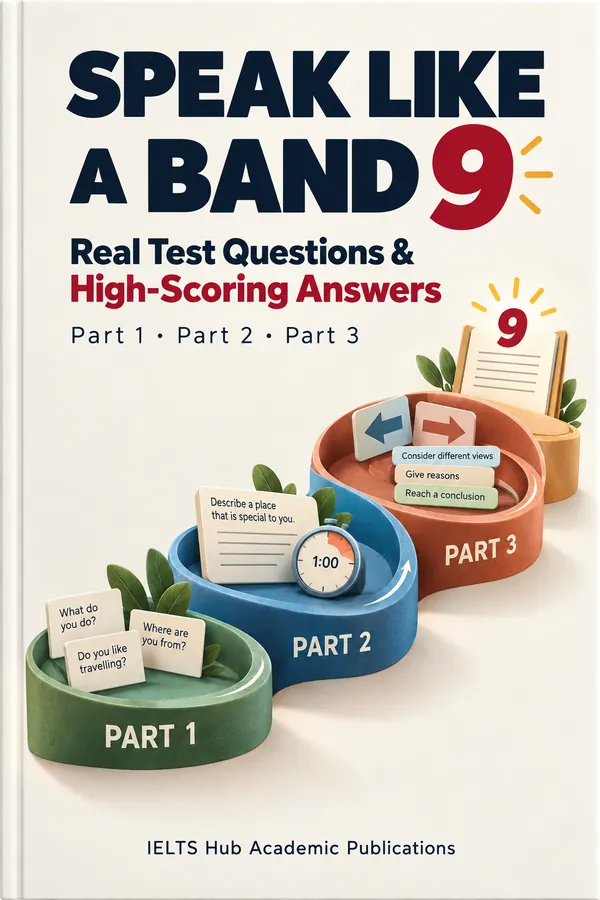
Speaking
Speak Like a Band 9
Real Test Questions & High-Scoring Answers
₹299$9.99CAD 13.99AUD 14.99£7.99NZD 16.99€8.99AED 39SGD 12.99
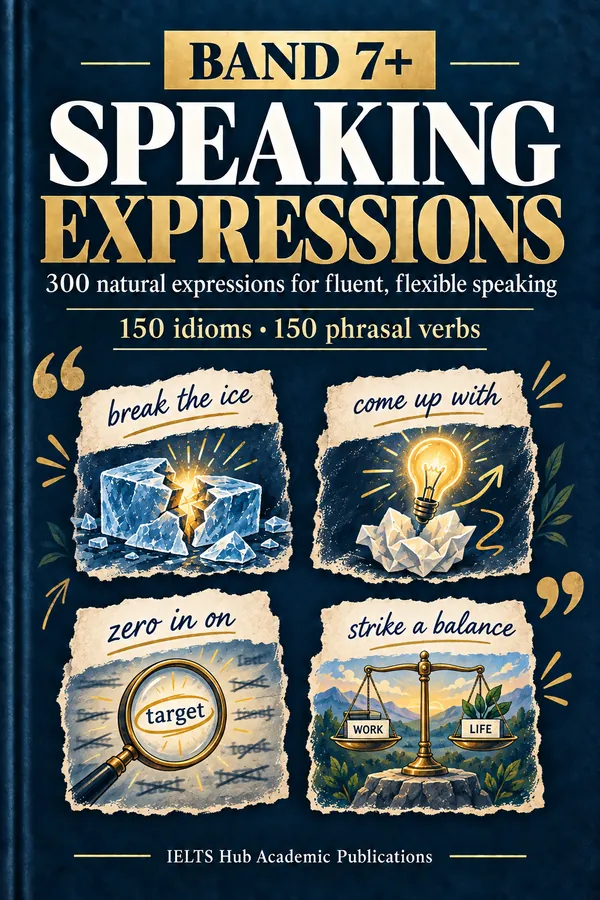
Speaking
Band 7+ Speaking Expressions
300 natural expressions for fluent, flexible speaking
₹199$6.99CAD 8.99AUD 9.99£4.99NZD 10.99€5.99AED 24SGD 8.99
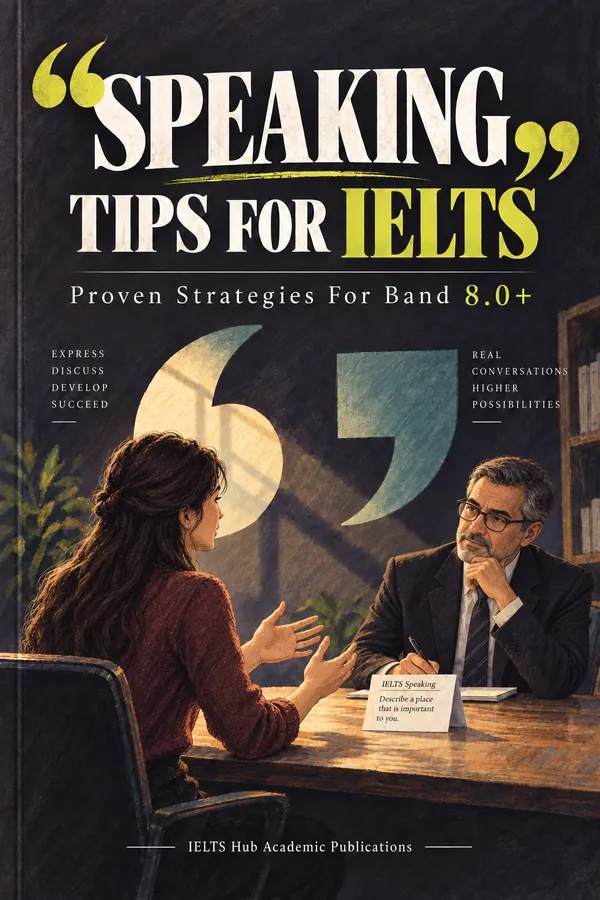
Speaking
Speaking Tips for IELTS
Proven Strategies for Band 8.0+
₹299$9.99CAD 13.99AUD 14.99£7.99NZD 16.99€8.99AED 39SGD 12.99