Speaking test #838
Part 1 · Interview
4 to 5 minutes. The examiner asks about you and familiar topics.
Can you tell me your full name?
Where are you from?
Do you work or are you a student?
What electronic devices have you bought lately?
Recently, I've purchased a new laptop and a smartwatch. I needed a new laptop for work and school, and I decided to treat myself to a smartwatch as a reward for all the hard work I've been putting in.
Is technology important in your life?
Absolutely, technology plays a vital role in my daily life. From communication to entertainment, it has made everything more convenient and accessible. Additionally, it has also made it easier for me to stay organized and manage my time more effectively.
Which do you use more often, computers or cell phones?
I would say that I use my cell phone more often than my computer. With the constant advancements in technology, my phone has become a one-stop-shop for all my needs. From checking emails to social media, it's always by my side.
Are there any technological devices you want to buy?
Yes, I have been considering purchasing a smart home assistant for a while now. I think it would be incredibly convenient to be able to control various aspects of my home with just my voice. Additionally, I've also been thinking about getting a virtual reality headset. I think it would be a fun and immersive way to experience different worlds and scenarios.
Do you like to spend time with teenagers?
I enjoy spending time with teenagers, as they often have a unique perspective on life and are full of energy and curiosity. I find that engaging in conversations and activities with them can be quite invigorating and enlightening.
Do you know anything about the kind of fashion that teenagers like?
Yes, I am quite familiar with the current fashion trends among teenagers. I notice that many teens prefer a more casual, streetwear style, often incorporating bold colors and patterns into their outfits. They also tend to be quite conscious of sustainability and ethical fashion choices.
What are the best things about being a teenager?
I believe that the best thing about being a teenager is the sense of freedom and independence that comes with it. This is a time when individuals are starting to form their own identities and make their own decisions, and it can be quite exciting to explore different interests and passions. Additionally, teenagers have a unique ability to view the world with fresh eyes and see things in a new light.
How do teenagers in your country (India) entertain themselves?
Teenagers in India have a wide variety of ways to entertain themselves. Many enjoy hanging out with friends and participating in sports or other outdoor activities. There is also a strong interest in music and dance, and it is common to see teens participating in music or dance classes or performing in local shows. Additionally, with the rise of technology and social media, many teenagers in India spend time online and on their smartphones, connecting with friends and exploring new content.
You will have to talk about the topic for one to two minutes. You have one minute to think about what you are going to say. You can make some notes to help you if you wish.
Describe a situation when you had to make a difficult decision
You should say:
- What was the decision you had to make
- What were the factors influencing your decision
- What was the outcome of your decision
- How did you feel about the decision-making process
What was the decision you had to make
Making difficult decisions is an inevitable part of life, and one such situation that comes to my mind is when I had to choose between pursuing further studies abroad or staying in my home country to support my family financially. The decision I had to make was whether to prioritize my personal and professional growth or fulfill my responsibilities towards my family.
What were the factors influencing your decision
Several factors influenced this decision, including my long-term career goals, financial constraints, family expectations, and the potential opportunities that studying abroad could offer me. On one hand, studying abroad could provide me with better education and career prospects, while on the other hand, staying back meant ensuring my family's financial stability and support.
What was the outcome of your decision
Ultimately, I decided to stay in my home country to support my family financially. The outcome of my decision was mixed – while I felt a sense of responsibility and fulfillment in supporting my family, I also experienced a tinge of regret for putting my personal aspirations on hold. However, I believe that family always comes first, and I am proud of the decision I made.
How did you feel about the decision-making process
Reflecting on the decision-making process, I felt a range of emotions – from the weight of responsibility on my shoulders to the satisfaction of being there for my family. It was a tough choice to make, but I have no regrets as I believe that family support and values are of utmost importance. This experience taught me the importance of balancing personal goals with familial responsibilities and strengthened my resolve to strive for a better future for both myself and my family.
- Words
- 261
- Sentences
- 10
- Words per sentence
- 26.1
- Speaking time
- about 2.0 min
Counted at 130 words a minute. The exam gives you one to two minutes.
Part 3 · Discussion
4 to 5 minutes. The examiner asks broader questions linked to the cue card topic.
What makes tough choices in our personal lives different from those we face at work?
Difficult decisions in personal life often revolve around emotional factors and relational dynamics, which can make them feel incredibly weighty. For example, choosing whether to move away for a job might not only impact your career but also your relationships with family and friends. In contrast, decisions in professional settings tend to be more data-driven and focused on outcomes, like meeting a deadline or achieving financial targets. While there’s certainly pressure in both realms, personal choices often tug at the heartstrings, whereas professional ones are usually about aligning with organizational goals. Ultimately, the emotional stakes can make personal decisions feel more challenging, even if they don’t always have the same broad implications as those made in the workplace.
Some people think that making hard choices shows maturity, while others feel it can cause extra stress. What do you think about this?
I absolutely see both sides of this argument! On one hand, making tough decisions can indeed be a clear indication of emotional maturity. It often requires a person to weigh various factors, consider the consequences, and ultimately take responsibility for their choices. This process can foster personal growth and resilience, which are invaluable traits in adulthood. On the other hand, I can understand how these decisions might lead to unnecessary stress. When faced with high-stakes choices, some individuals may feel overwhelmed, fearing they could make the wrong move. It’s a delicate balance; while the ability to make tough decisions is commendable, it’s essential to manage the associated pressures effectively. Overall, I think the key lies in finding a supportive environment that encourages thoughtful decision-making without succumbing to stress.
How do you think making tough decisions helps a person grow and develop?
Difficult decision-making is absolutely pivotal in personal development and growth. When we face tough choices, it often forces us to reflect deeply on our values and priorities, which can lead to a greater sense of self-awareness. Navigating these challenging situations can also build resilience, as we learn to cope with uncertainty and the potential consequences of our actions. Moreover, making hard decisions can enhance our problem-solving skills, enabling us to approach future challenges with greater confidence. In essence, each tough choice we make acts as a stepping stone towards becoming a more rounded and capable individual.
Why do you think people usually have a hard time making choices, especially when the outcomes are important?
People often struggle with making decisions, especially when the stakes are high, due to a variety of factors. Firstly, the weight of responsibility can be overwhelming; when a choice has significant consequences, it’s natural to feel a sense of pressure. Additionally, many individuals experience analysis paralysis, where they become so absorbed in weighing the pros and cons that they find it difficult to commit to any one option. There’s also the fear of regret, which can loom large, particularly if the outcome doesn’t meet expectations. Ultimately, the interplay of emotional and cognitive factors makes decision-making in high-stakes situations particularly challenging.
How could making tough decisions change in the future with new technology and better access to information?
As technology continues to evolve, I believe the process of making difficult decisions will become significantly more streamlined and informed. With the advent of big data and advanced analytics, decision-makers will have access to a wealth of information at their fingertips, allowing them to weigh options more thoroughly than ever before. Moreover, artificial intelligence could play a pivotal role by providing predictive insights, which can help individuals foresee potential outcomes and make more calculated choices. However, it’s crucial to remain aware of the risks associated with over-reliance on technology, as it may sometimes lead to a lack of critical thinking. Ultimately, I see a future where technology acts as a powerful ally in decision-making, enhancing our ability to navigate complex situations with confidence and clarity.
What can people do to get better at making decisions when they have tough choices?
Improving decision-making skills is crucial, especially when navigating challenging choices. Firstly, individuals can benefit immensely from reflective thinking. By taking a moment to ponder the potential outcomes and weighing the pros and cons, one can gain clarity. Additionally, seeking input from trusted friends or mentors can provide fresh perspectives that might not have been considered. Another effective approach is to establish a set of personal guiding principles or values, which can serve as a compass during tough decisions. Lastly, practicing mindfulness can help individuals stay grounded and make more thoughtful choices rather than acting impulsively.
Go further with the books
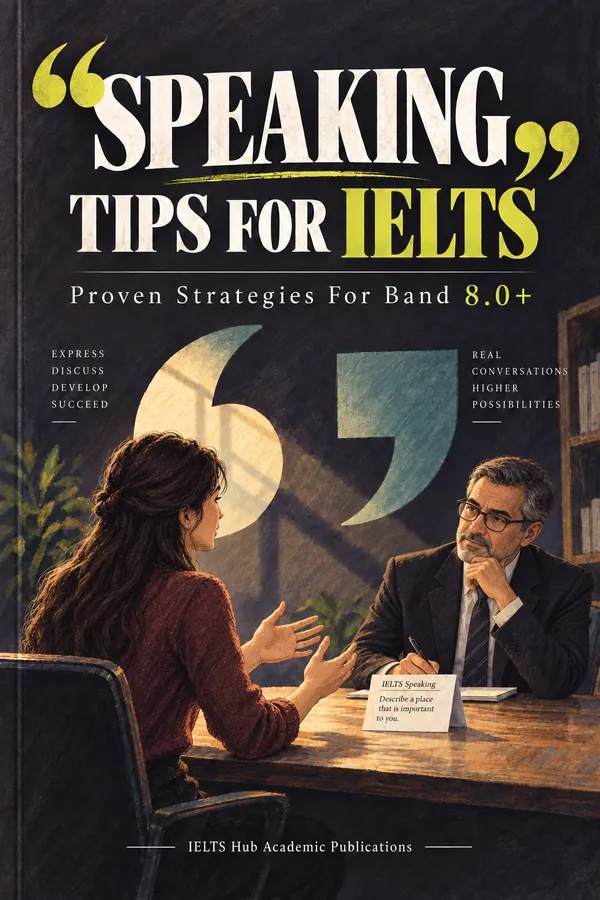
Speaking
Speaking Tips for IELTS
Proven Strategies for Band 8.0+
₹299$9.99CAD 13.99AUD 14.99£7.99NZD 16.99€8.99AED 39SGD 12.99
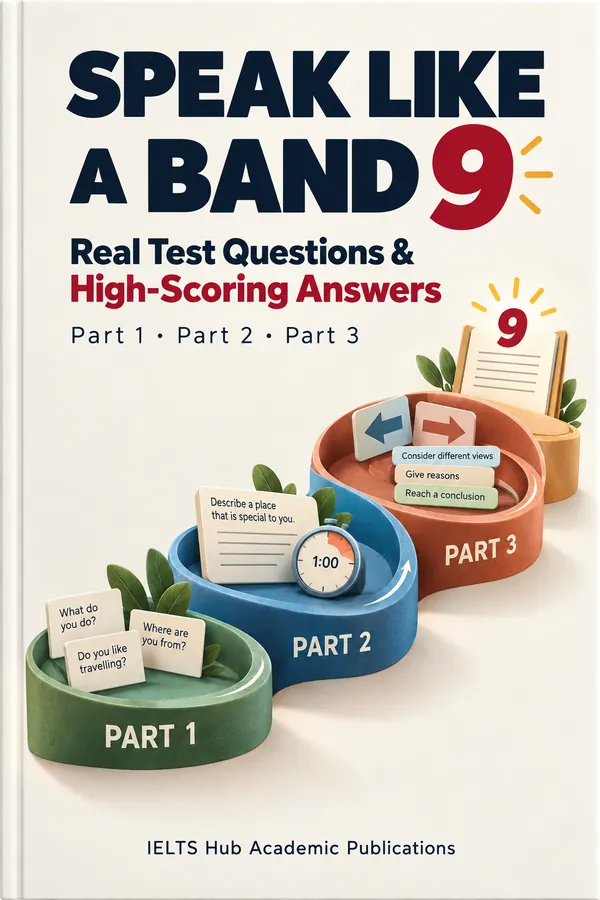
Speaking
Speak Like a Band 9
Real Test Questions & High-Scoring Answers
₹299$9.99CAD 13.99AUD 14.99£7.99NZD 16.99€8.99AED 39SGD 12.99
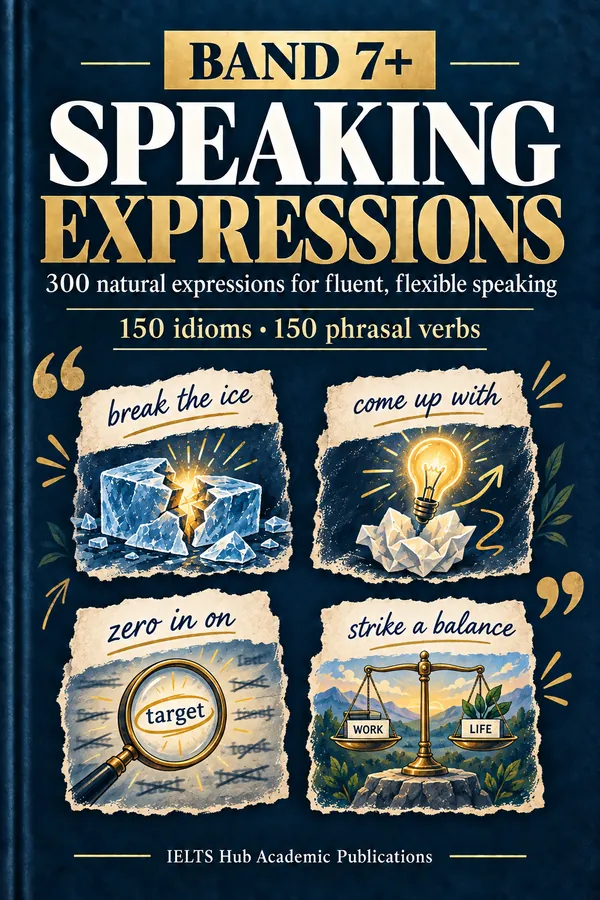
Speaking
Band 7+ Speaking Expressions
300 natural expressions for fluent, flexible speaking
₹199$6.99CAD 8.99AUD 9.99£4.99NZD 10.99€5.99AED 24SGD 8.99