Speaking test #841
Part 1 · Interview
4 to 5 minutes. The examiner asks about you and familiar topics.
Can you tell me your full name?
Where are you from?
Do you work or are you a student?
Are you a tidy person?
I would consider myself to be quite tidy, yes. I place a high value on organization and cleanliness, and find that maintaining a tidy environment helps me to feel more focused and productive.
How do you keep things tidy?
I try to adopt a few key strategies to keep things tidy. One of the most important is to have a designated place for everything, so that I know where things belong and can quickly put them away when I'm finished using them. I also try to make a habit of doing a quick tidy-up at the end of each day, so that I start the next day with a clean slate. Additionally, I try to be mindful of creating clutter in the first place, by being selective about what I bring into my home or workspace, and being conscious of the amount of stuff I accumulate.
Do you think people should be tidy all the time?
I think that it's important for people to strive to maintain a certain level of tidiness, as it can have a positive impact on one's mental and physical well-being. However, I don't believe that anyone should feel pressured to be perfectly tidy all the time. Life can be messy and chaotic at times, and it's important to be able to let go and be okay with a little messiness from time to time.
Are you tidier at work or at home?
I would say that I am equally tidy at both work and home. I try to maintain a similar level of organization and cleanliness in both environments, as I find that it helps me to feel more productive and focused regardless of where I am.
Do you often borrow books?
Well, I'm a bit of a bookworm, so I borrow books pretty frequently. Whether it's from the library or from a friend, I'm always on the lookout for something new to read.
Is there anything that cannot be lent?
Hmm, that's an interesting question. I suppose there are some things that can't really be lent, like one-of-a-kind items or sentimental possessions. But in general, I think most things can be borrowed if the person is willing to part with it for a while.
Have you borrowed money from a friend?
Yes, I have borrowed money from friends before. It's not something I do all the time, but sometimes you just need a little extra help to get through a tough situation. It's always nice to have friends who are willing to lend a hand.
What would you do if someone did not return what they borrowed from you?
Well, it would depend on the item and the circumstances. If it was something small and not particularly valuable, I might just let it slide. But if it was something important or sentimental, I would probably have a conversation with the person and try to work out a solution. Ultimately, I think it's important to be understanding and try to find a way to resolve the issue without damaging the relationship.
You will have to talk about the topic for one to two minutes. You have one minute to think about what you are going to say. You can make some notes to help you if you wish.
Describe a situation when you were surprised to see a person
You should say:
- Who the person was
- Where you saw them
- Why you were surprised
- How you reacted to the surprise
Who the person was
I vividly remember a surprising encounter I had with a childhood friend, Ramesh, at a bustling market in my hometown. Ramesh and I had lost touch after high school, so seeing him after many years was truly unexpected. The market was crowded with vendors selling colorful fabrics and aromatic spices, creating a vibrant atmosphere. As I was browsing through the stalls, I suddenly heard someone calling my name. Turning around, I was astonished to see Ramesh standing there, looking just as he did years ago.
Where you saw them
The reason behind my surprise was the sheer coincidence of bumping into someone I had not seen in such a long time, especially in a place as crowded as the market. Ramesh had moved to a different city for college, and I had assumed our paths would never cross again. His unexpected appearance brought back a flood of memories from our school days, making the moment even more surreal. It was like a blast from the past that caught me off guard.
Why you were surprised
My initial reaction to the surprise was a mix of disbelief and joy. I remember blinking a few times to make sure I wasn't imagining things before rushing over to greet Ramesh. We both laughed in amazement at the coincidence of running into each other after all these years. It was a heartwarming moment of reconnecting with a long-lost friend in the midst of the chaotic market scene. We exchanged contact information, promising to catch up soon and not let years pass by without staying in touch.
How you reacted to the surprise
In conclusion, the unexpected encounter with Ramesh at the market remains etched in my memory as a delightful surprise that brought back cherished memories and rekindled a long-lost friendship. It served as a reminder of how small the world can be and how unpredictable life's twists and turns can be. This experience taught me to appreciate the unexpected moments of joy and connection that life can bring, even in the most mundane settings.
- Words
- 327
- Sentences
- 17
- Words per sentence
- 19.2
- Speaking time
- about 2.5 min
Counted at 130 words a minute. The exam gives you one to two minutes.
Part 3 · Discussion
4 to 5 minutes. The examiner asks broader questions linked to the cue card topic.
How is the feeling of being surprised by someone different from other feelings like happiness or sadness?
Being surprised by someone is a unique emotional experience that sets itself apart from more stable emotions like happiness or sadness. When you experience surprise, it often triggers an immediate and visceral reaction, which can range from joy to shock, depending on the context. For instance, a surprise party can evoke a sense of pure delight, while unexpected news might lead to feelings of confusion or even distress. Unlike happiness or sadness, which can linger and develop over time, surprise is typically a fleeting sensation that can quickly transform into another emotion. It's fascinating how that initial jolt of surprise can serve as a catalyst, propelling us into a more profound emotional response, making it a truly dynamic experience.
How much can surprising meetings with people change your life?
Unexpected encounters can be incredibly transformative, often leading to significant changes in one’s life. When we stumble upon someone new, it can spark a chain reaction of events that we could never have anticipated. For instance, a chance meeting with a mentor or a future business partner could open doors to opportunities that reshape our career paths. Additionally, these encounters can lead to lasting friendships or even romantic relationships, profoundly impacting our emotional well-being and social circles. In essence, embracing the unpredictable nature of life can sometimes yield the most rewarding experiences, reminding us that the serendipity of chance meetings can indeed be life-altering.
How does surprise affect how people interact and relate to each other?
Surprise plays a fascinating role in human interactions and relationships. It can act as a catalyst for deeper connections by breaking the monotony of everyday life. For instance, when someone throws an unexpected party or gives a thoughtful gift, it can significantly strengthen the bond between friends or partners. Moreover, surprise can also introduce an element of spontaneity that keeps relationships vibrant and exciting. However, it’s important to strike a balance, as too much unpredictability can lead to feelings of insecurity or anxiety. Overall, the right kind of surprise can enrich our relationships and create lasting memories.
Why do you think people usually feel excited or nervous when they unexpectedly see someone they know?
I believe the thrill of encountering someone unexpectedly taps into our innate social nature. On one hand, there's the palpable sense of surprise that can stir feelings of excitement. It’s like a little spark of joy, especially if it’s someone we haven’t seen in a while. However, this situation can also trigger anxiety; we might feel unprepared or worry about how we’ll come across. The mix of emotions reflects our deep connections with others and how much we value those relationships, creating a fascinating blend of feelings in that fleeting moment.
How could people's reactions to surprises in social situations be different in the future?
That's a fascinating question! As society continues to evolve, I believe that the way people react to surprises in social situations will also undergo significant changes. With technology playing an increasingly dominant role in our lives, individuals might become more accustomed to unexpected news or events due to the constant stream of information they receive. For instance, social media has already changed how we experience surprises; people often share their reactions online, which can lead to a more collective response rather than an individual one. Furthermore, as people become more interconnected globally, they might develop a greater sense of empathy and understanding, allowing them to react to surprises with more emotional intelligence. Ultimately, the future might see us embracing surprises as opportunities for growth and connection rather than merely disruptions in our routine.
What can people do to handle their reactions better when they are surprised?
When individuals find themselves in unexpected situations, one effective approach is to practice mindfulness techniques. This can involve deep breathing or taking a moment to pause and reflect before responding. By cultivating this level of awareness, people can create a buffer between the stimulus and their reaction, allowing for a more measured response. Additionally, engaging in role-playing scenarios with friends or family can help prepare for surprises, making it easier to handle them when they arise in real life. Overall, developing a toolkit of coping strategies can greatly enhance one's ability to manage their emotions and reactions effectively.
Go further with the books
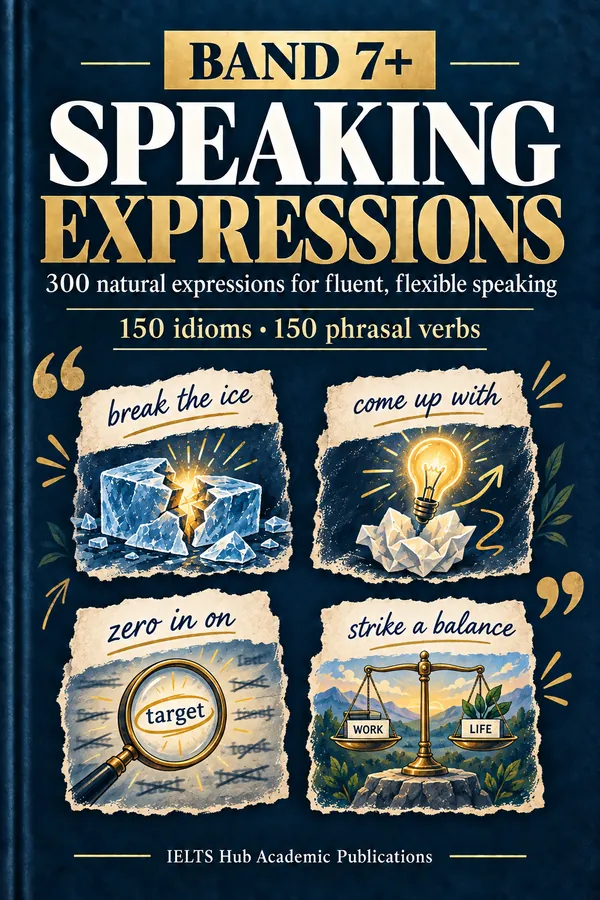
Speaking
Band 7+ Speaking Expressions
300 natural expressions for fluent, flexible speaking
₹199$6.99CAD 8.99AUD 9.99£4.99NZD 10.99€5.99AED 24SGD 8.99
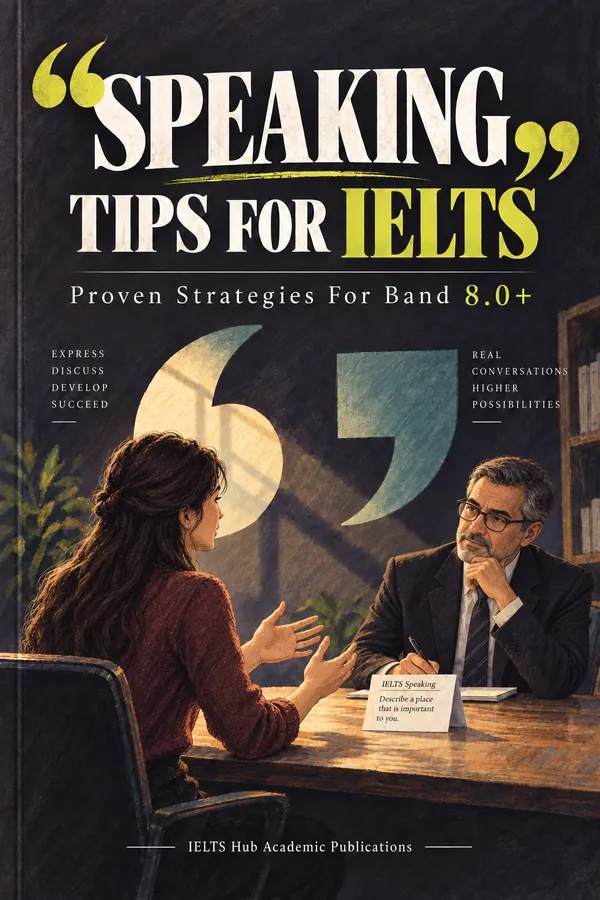
Speaking
Speaking Tips for IELTS
Proven Strategies for Band 8.0+
₹299$9.99CAD 13.99AUD 14.99£7.99NZD 16.99€8.99AED 39SGD 12.99
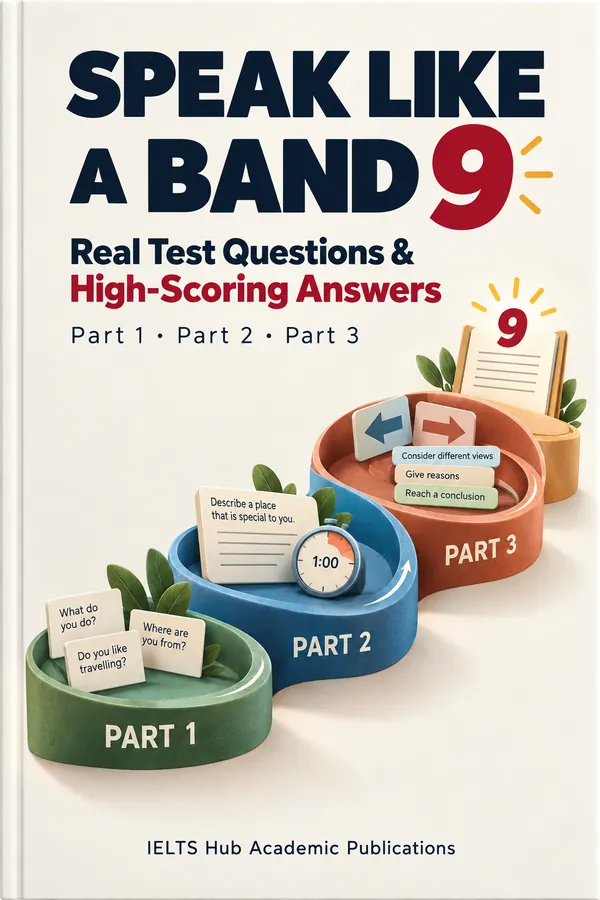
Speaking
Speak Like a Band 9
Real Test Questions & High-Scoring Answers
₹299$9.99CAD 13.99AUD 14.99£7.99NZD 16.99€8.99AED 39SGD 12.99