Speaking test #842
Part 1 · Interview
4 to 5 minutes. The examiner asks about you and familiar topics.
Can you tell me your full name?
Where are you from?
Do you work or are you a student?
How do you plan your time in a day?
I usually like to start my day by making a to-do list. I find that it helps me prioritize my tasks and gives me a sense of direction for the day. I also like to schedule specific blocks of time for certain activities, such as work, exercise, and personal projects. I find that this helps me stay on track and be more productive.
Is it easy to manage time for you?
I would say that managing my time is relatively easy for me, as long as I am organized and have a clear idea of what needs to be done. However, there are certainly times when unexpected events or distractions can throw off my schedule. In those cases, I try to stay flexible and adjust my plans as needed.
When do you find it hard to allocate time?
I find it hardest to allocate time when I am feeling overwhelmed or stressed. When I have a lot of competing demands on my time, it can be difficult to prioritize and make decisions about how to use my time most effectively. Additionally, if I am feeling tired or unmotivated, it can be challenging to focus and be productive.
Do you like being busy?
I would say that I am a bit of a workaholic, so I generally enjoy being busy. I find that when I have a lot on my plate, I am more motivated and energized. However, I also realize the importance of taking breaks and making time for leisure activities. I try to strike a balance between being productive and taking care of myself.
What would make you tired?
There are a number of things that can make me feel tired, such as lack of sleep, a demanding workload, or engaging in physically demanding activities. Additionally, certain emotional states, such as stress or anxiety, can also leave me feeling fatigued.
What do you do when you feel tired?
When I feel tired, I typically try to take a break and engage in some form of self-care. This might include going for a walk, taking a nap, or practicing relaxation techniques such as yoga or meditation. Additionally, I might also try to improve my sleep habits by going to bed and waking up at the same time each day, or making sure that my sleep environment is conducive to restful sleep.
Who do you prefer to talk to when you feel mentally tired, your friends or your family?
When I feel mentally tired, I tend to prefer talking to my family members. They understand me better, and I feel more comfortable discussing my thoughts and feelings with them. That being said, I also value the support and perspective of my friends, and I may turn to them in certain situations as well.
Do you want to talk to strangers when you feel mentally tired?
Not typically, no. When I am feeling mentally tired, I tend to prefer the comfort and familiarity of my loved ones. However, depending on the situation, I might be willing to talk to a stranger if I feel that they might be able to offer me helpful advice or support. But in general, I would rather talk to someone I know and trust.
You will have to talk about the topic for one to two minutes. You have one minute to think about what you are going to say. You can make some notes to help you if you wish.
A place that can be good for relaxing
You should say:
- What is the place
- How you discovered it
- Why it is good for relaxing
- Who you would like to go there with
What is the place
I would like to talk about a place in India that I find extremely relaxing – the peaceful town of Rishikesh nestled in the foothills of the Himalayas. Rishikesh is a serene destination known for its spiritual significance, yoga retreats, and the tranquil flow of the Ganges River. The town exudes a sense of calm and tranquility that instantly puts one at ease.
How you discovered it
I first discovered Rishikesh a few years ago when I was looking for a getaway from the hustle and bustle of city life. I had heard about its natural beauty and spiritual vibes, and decided to visit to experience it firsthand. Upon arriving, I was captivated by the lush greenery, the sound of the flowing river, and the sight of sadhus meditating by the banks.
Why it is good for relaxing
Rishikesh is the perfect place for relaxation due to its peaceful surroundings and the opportunity it offers for introspection and rejuvenation. Whether you choose to meditate by the river, practice yoga in one of the many ashrams, or simply relax in nature, the town has a way of calming your mind and soothing your soul. The fresh mountain air and the melodious chants from nearby temples create an atmosphere of serenity that is truly unparalleled.
Who you would like to go there with
If given the chance, I would love to go back to Rishikesh with my closest friends or family members. Sharing such a tranquil and spiritually uplifting experience with loved ones would not only deepen our bond but also allow us to collectively unwind and recharge amidst the beauty of nature. Rishikesh is a place where one can truly disconnect from the chaos of everyday life and reconnect with oneself and the people who matter the most.
- Words
- 278
- Sentences
- 12
- Words per sentence
- 23.2
- Speaking time
- about 2.1 min
Counted at 130 words a minute. The exam gives you one to two minutes.
Part 3 · Discussion
4 to 5 minutes. The examiner asks broader questions linked to the cue card topic.
How do various settings help us relax, and which one do you believe works best?
Different environments play a significant role in fostering relaxation, and their impact can vary greatly from person to person. For instance, some individuals find solace in the tranquil surroundings of nature, where the sounds of rustling leaves and flowing water can be incredibly soothing. Others may feel more at ease in a cozy, dimly lit room with soft music playing in the background, creating a sense of comfort and security. Personally, I believe that natural environments are often more effective for relaxation, as they allow us to disconnect from the hustle and bustle of daily life and reconnect with our inner selves. The fresh air and scenic beauty can really help to clear the mind and rejuvenate the spirit.
Some people think that city places can be as relaxing as countryside ones. What do you think about this?
Absolutely, I believe urban locations can indeed be just as calming as rural ones, though it often depends on how we engage with our surroundings. Many cities now prioritize green spaces like parks and gardens, which can provide a much-needed escape from the hustle and bustle. For instance, a stroll through a well-designed urban park can be incredibly rejuvenating, offering a sense of tranquility amidst the chaos of city life. Additionally, urban areas often feature a diverse range of cultural activities and events that can foster a sense of community and connection, which many find calming. Ultimately, it’s all about finding those pockets of peace in the urban environment that resonate with an individual's needs.
How does being able to access nature help people relax and unwind?
Access to nature plays a pivotal role in people's ability to unwind and relax. Being surrounded by natural elements, such as trees, water, and wildlife, can significantly reduce stress levels and promote a sense of tranquility. The sights and sounds of the outdoors often help people disconnect from the hustle and bustle of daily life, allowing them to recharge both mentally and physically. Moreover, spending time in nature can foster a sense of connection to the environment, which can be incredibly grounding. Ultimately, the therapeutic effects of nature can lead to improved mental health and overall well-being, making it an essential aspect of our lives.
Why do you think some people can relax better in some places than in others?
That's a fascinating question! I believe that the atmosphere and environment of a place play a huge role in how relaxed someone can feel. For instance, a quiet beach with gentle waves can create a sense of calm that’s hard to replicate in a bustling city. Additionally, personal experiences and memories can also influence this; if someone has positive associations with a specific location, it can instantly make them feel more at ease. Lastly, factors like natural surroundings and even the scents in an area can evoke feelings of tranquility, making it easier for some to unwind in those spaces compared to others.
How would society change if more people could enjoy calming places?
If more people had access to relaxing environments, we could potentially see a significant shift in overall well-being and mental health across society. For starters, individuals would likely experience reduced levels of stress and anxiety, which are prevalent in our fast-paced lives. With greater access to nature, parks, and tranquil spaces, people might engage in more outdoor activities, fostering a sense of community and social cohesion. Additionally, these relaxing environments could encourage creativity and productivity, as a calm mind is often more capable of innovative thinking. Ultimately, I believe that a more relaxed society would lead to numerous benefits, including improved relationships and a stronger sense of happiness among individuals.
What steps can be taken to make urban areas more relaxing?
Creating more relaxing spaces in urban areas is essential for enhancing the quality of life for city dwellers. One effective measure would be to integrate green spaces into urban planning, such as parks, community gardens, and rooftop gardens, which can provide a much-needed escape from the hustle and bustle of city life. Additionally, incorporating water features like fountains or ponds can significantly enhance the atmosphere, as the sound of flowing water tends to have a calming effect. Furthermore, designing pedestrian-friendly areas with comfortable seating and shaded spots can encourage people to spend more time outdoors, fostering a sense of community. Lastly, promoting the use of art in public spaces, such as murals or sculptures, can create a more inviting environment that inspires relaxation and creativity. By implementing these measures, cities can transform into more serene and enjoyable places to live.
Go further with the books
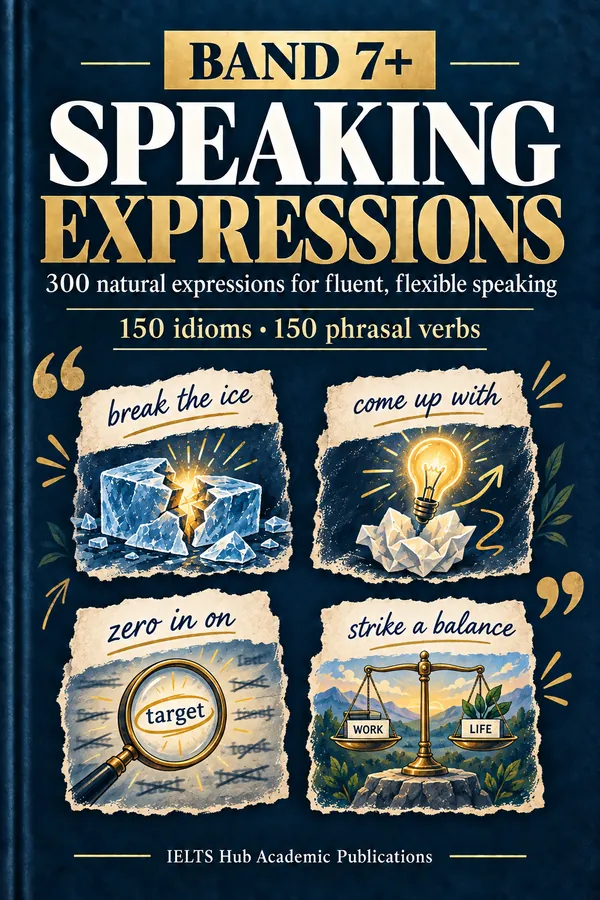
Speaking
Band 7+ Speaking Expressions
300 natural expressions for fluent, flexible speaking
₹199$6.99CAD 8.99AUD 9.99£4.99NZD 10.99€5.99AED 24SGD 8.99

Speaking
Speaking Tips for IELTS
Proven Strategies for Band 8.0+
₹299$9.99CAD 13.99AUD 14.99£7.99NZD 16.99€8.99AED 39SGD 12.99
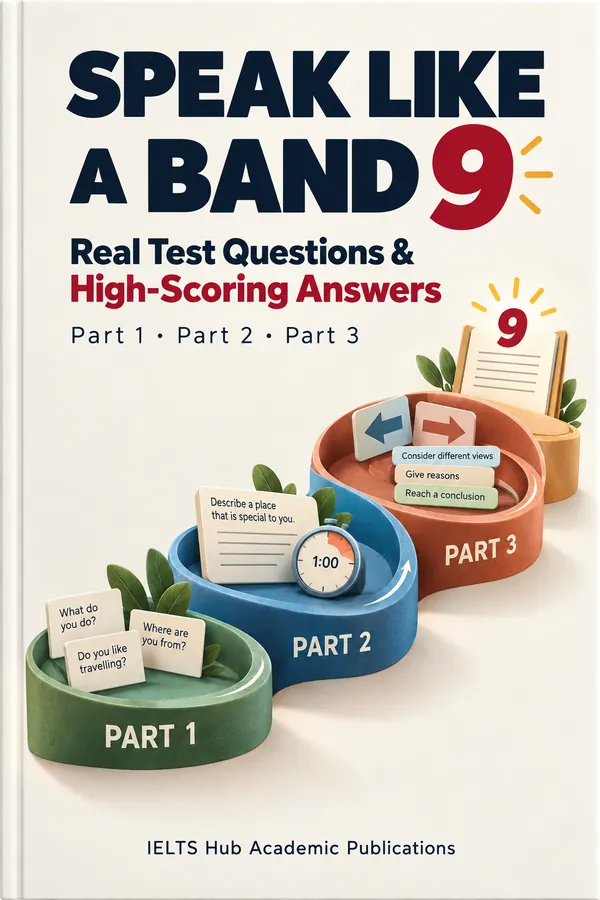
Speaking
Speak Like a Band 9
Real Test Questions & High-Scoring Answers
₹299$9.99CAD 13.99AUD 14.99£7.99NZD 16.99€8.99AED 39SGD 12.99