Speaking test #848
Part 1 · Interview
4 to 5 minutes. The examiner asks about you and familiar topics.
Can you tell me your full name?
Where are you from?
Do you work or are you a student?
Do you use a wallet/purse?
Yes, I do use a wallet. I find it to be a convenient and practical way to keep all of my cards and cash organized.
Have you ever lost a wallet/purse?
Thankfully, I haven't lost a wallet or purse before. I am quite meticulous about keeping track of my belongings, so I always make sure to check if I have my wallet on me before I leave the house.
Have you ever sent a wallet/purse to someone as a gift?
No, I haven't. I prefer to give gifts that are more personal and thoughtful, rather than something as practical as a wallet or purse.
Do most of your friends use a wallet/purse?
I would say that most of my friends do use a wallet or purse. It's a common accessory that is used to keep important items organized and easily accessible. However, I do have a few friends who prefer to use digital wallets or carry just a minimal amount of cash on them.
Do you wear a watch?
Yes, I do wear a watch. I find it to be a practical and stylish accessory that allows me to keep track of time throughout the day. Q
Have you ever gotten a watch as a gift?
Yes, I have. I remember receiving a beautiful watch as a gift from my parents on my graduation day. It was a precious and meaningful present that I still wear to this day. Q
Why do some people wear expensive watches?
Some people wear expensive watches as a symbol of status or wealth. It could also be a sign of luxury and exclusivity, as well as a form of personal expression. Additionally, expensive watches often possess intricate craftsmanship and superior quality that sets them apart from more affordable watches. Q
Do you think it is important to wear a watch?
Personally, I do think it is important to wear a watch. It serves as a useful tool for keeping track of time, which is essential in our daily lives. Additionally, a watch can also be a fashion statement, and can reflect one's personal style and preferences. However, it is ultimately a matter of personal preference and might not be as important for others.
You will have to talk about the topic for one to two minutes. You have one minute to think about what you are going to say. You can make some notes to help you if you wish.
Describe your dream job
You should say:
- What the job is
- Why it is your dream job
- What skills are required for the job
- How you plan to achieve this dream job
What the job is
My dream job is to become a social entrepreneur, where I can start and manage projects that aim to solve pressing social issues in my community. This role would allow me to combine my passion for making a positive impact with my entrepreneurial spirit, creating sustainable solutions for those in need.
Why it is your dream job
The reason this is my dream job is because I strongly believe in the power of social change and the potential for businesses to drive impactful change in society. I am driven by the desire to address inequalities and create a more just and inclusive world. By working as a social entrepreneur, I can channel my energy and skills towards creating tangible, long-lasting benefits for marginalized communities.
What skills are required for the job
To excel in this role, a combination of skills is required, including creativity, problem-solving, leadership, and strong communication abilities. Being able to think outside the box, adapt to diverse challenges, inspire others, and effectively convey ideas are essential qualities for a successful social entrepreneur. Additionally, having a deep understanding of social issues and the ability to collaborate with various stakeholders are crucial skills needed for this job.
How you plan to achieve this dream job
To achieve my dream job as a social entrepreneur, I plan to pursue further education in social entrepreneurship and gain practical experience by volunteering with organizations that focus on social impact. I also aim to network with like-minded individuals and professionals in the field, attend workshops and events, and continuously educate myself on the latest trends and best practices in social entrepreneurship. By constantly refining my skills and knowledge, I am confident that I can make my dream job a reality and create meaningful change in the world.
- Words
- 273
- Sentences
- 11
- Words per sentence
- 24.8
- Speaking time
- about 2.1 min
Counted at 130 words a minute. The exam gives you one to two minutes.
Part 3 · Discussion
4 to 5 minutes. The examiner asks broader questions linked to the cue card topic.
What are the ways the duties of your ideal job could be different from those of a regular job?
That's a fantastic question! In my dream job, which would be in creative writing, I imagine the responsibilities would be much more fluid and dynamic compared to a traditional job. For instance, instead of following a strict 9-to-5 schedule, I would have the freedom to work when inspiration strikes, allowing for greater creativity and innovation. On the other hand, traditional jobs often come with well-defined roles and routines, which can sometimes stifle that creative energy. Additionally, I believe my dream job would emphasize collaboration with other artists, fostering a vibrant environment, whereas a typical job might focus more on individual contributions and adherence to set protocols. Overall, the contrast lies in the level of flexibility and the emphasis on creative expression in my ideal role.
How much do you think personal happiness affects people's job choices?
Personal satisfaction is absolutely crucial when it comes to making career choices. Many people spend a significant portion of their lives at work, so it’s essential that they find joy and fulfillment in what they do. When individuals are genuinely passionate about their careers, they are more likely to exhibit high levels of motivation and commitment, which can lead to greater success and productivity. Moreover, a career that aligns with one’s personal values and interests can greatly enhance overall well-being and life satisfaction. Ultimately, while financial stability and job security are important, the role of personal satisfaction should not be underestimated as it can truly make a difference in one’s long-term happiness and professional fulfillment.
How does chasing a dream job affect a person's happiness and satisfaction in life?
Pursuing a dream job can be incredibly significant for an individual's overall happiness and fulfillment. When people engage in work that genuinely resonates with their passions and interests, it often leads to a profound sense of personal satisfaction. This alignment between one's career and personal aspirations not only boosts motivation but also enhances productivity, making daily tasks feel less like a chore and more like a rewarding experience. Furthermore, achieving milestones in a dream job can foster a sense of self-worth and accomplishment, which is essential for mental well-being. Ultimately, when individuals pursue their dream jobs, they are more likely to cultivate a life that feels meaningful and enriched, contributing positively to their mental health and overall life satisfaction.
Why do you think a lot of people pick jobs for money instead of following what they love?
I think many people prioritize financial benefits over personal passion for several reasons. First and foremost, the cost of living has skyrocketed in many places, making it essential for individuals to secure a stable income to support themselves and their families. Additionally, societal expectations often emphasize the importance of financial success, which can pressure people to choose lucrative careers instead of pursuing what truly excites them. Furthermore, in a highly competitive job market, individuals may feel that they need to opt for more secure, well-paying positions to stand out. Ultimately, while passion is undoubtedly important, the stark reality of financial obligations often takes precedence in career choices.
"What shifts in the job market might affect what dream jobs look like in the future?"?
The job market is constantly evolving, and several factors are likely to influence what we consider our dream jobs in the future. For instance, the rise of remote work has opened up a world of possibilities, allowing people to pursue careers that align more closely with their personal lifestyles rather than geographical constraints. Additionally, advancements in technology, particularly in fields like artificial intelligence and automation, could lead to the emergence of new roles that we can't even imagine today. Moreover, as society becomes more environmentally conscious, there might be a growing demand for sustainable careers, pushing individuals to seek jobs that contribute positively to the planet. Overall, the interplay of these factors will undoubtedly reshape our aspirations and redefine what a dream job looks like.
What steps can companies take to help people discover and follow their dream jobs?
Organizations play a crucial role in guiding individuals towards their ideal careers, and there are several effective measures they can implement. First and foremost, providing career counseling services can help employees identify their strengths and passions, ultimately aligning them with suitable career paths. Additionally, offering mentorship programs where experienced professionals share their insights can significantly enhance personal and professional development. Moreover, organizations could invest in continuous professional development opportunities, such as workshops and training sessions, which empower individuals to acquire new skills and stay competitive in their desired fields. Lastly, promoting a culture of open communication and feedback can create an environment where individuals feel supported in exploring different career options within the organization. By taking these steps, companies not only foster employee satisfaction but also enhance overall productivity and retention.
Go further with the books
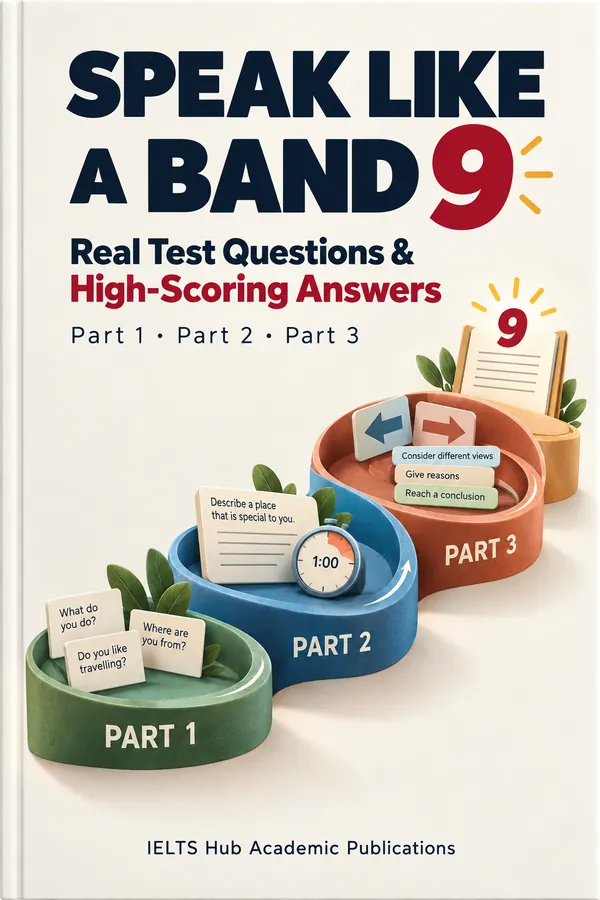
Speaking
Speak Like a Band 9
Real Test Questions & High-Scoring Answers
₹299$9.99CAD 13.99AUD 14.99£7.99NZD 16.99€8.99AED 39SGD 12.99
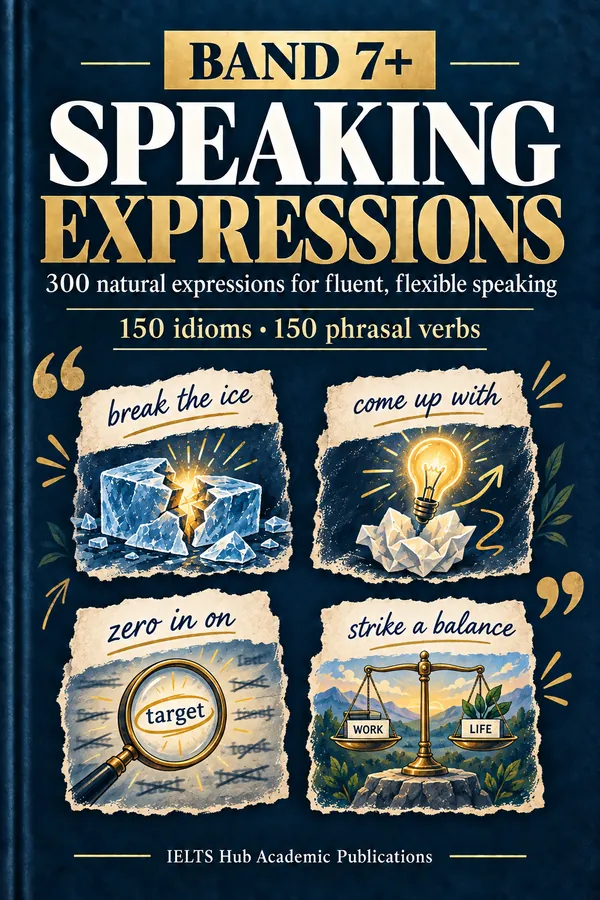
Speaking
Band 7+ Speaking Expressions
300 natural expressions for fluent, flexible speaking
₹199$6.99CAD 8.99AUD 9.99£4.99NZD 10.99€5.99AED 24SGD 8.99
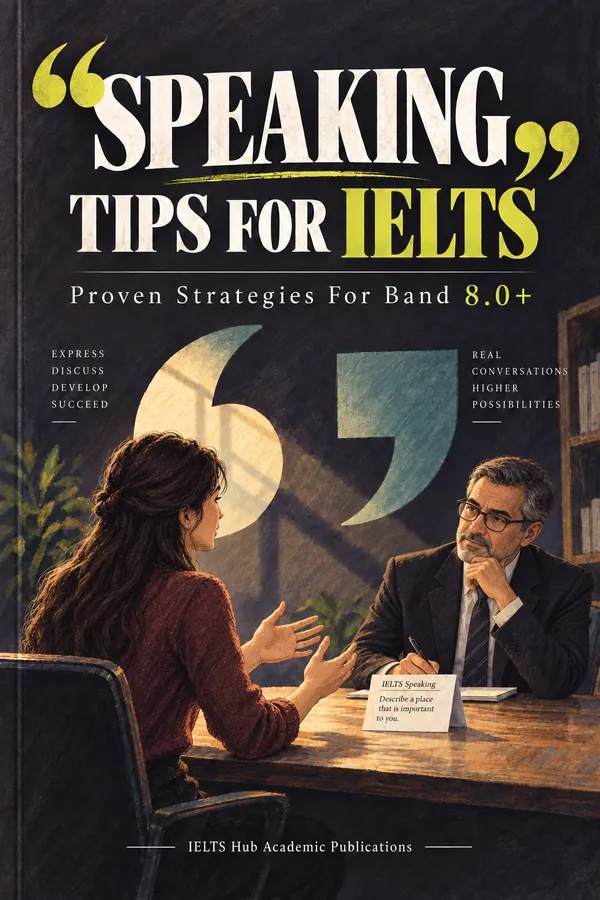
Speaking
Speaking Tips for IELTS
Proven Strategies for Band 8.0+
₹299$9.99CAD 13.99AUD 14.99£7.99NZD 16.99€8.99AED 39SGD 12.99